
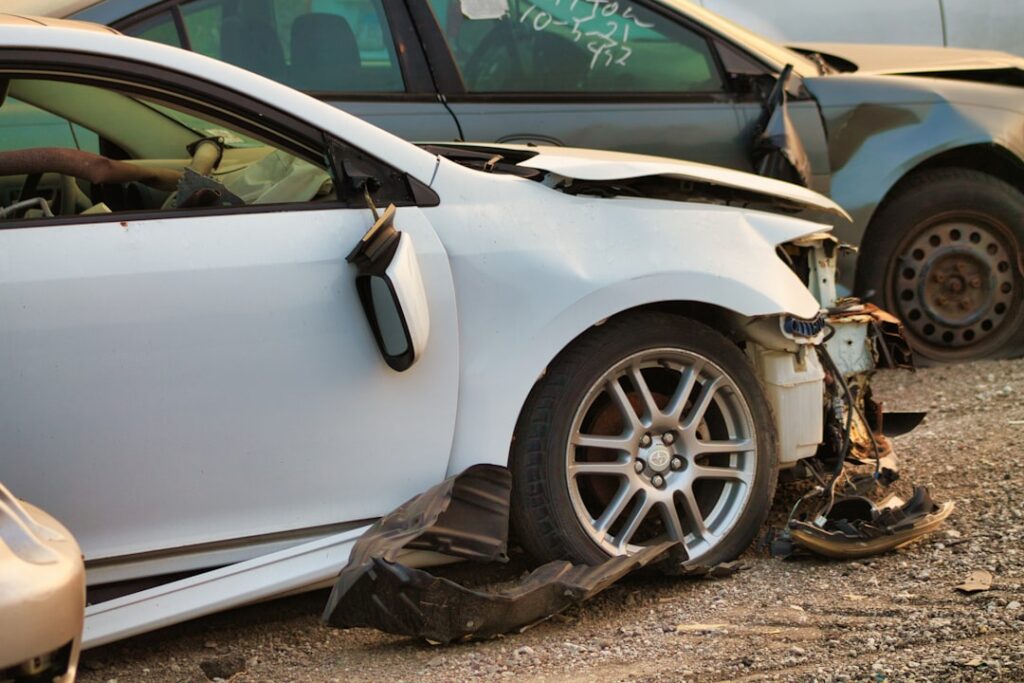
Saturday’s collision on a Sumatra highway involved a passenger bus and a tanker truck loaded with dangerous cargo. The impact resulted in at least 16 fatalities and four injuries, but, according to early reports, the tanker did not rupture and no major chemical spill occurred. Indonesian investigators are now focusing on two key elements: the presence of hazardous material in the tanker and the circumstances that led the bus to strike it.
Authorities have not yet identified a definitive cause, leaving open the possibilities of human error, mechanical failure or a combination of factors. Teams will examine the wreckage, vehicle maintenance records and driver histories to piece together what happened.
The incident highlights a broader concern about the prevalence of tanker trucks carrying hazardous substances on Indonesia’s notoriously dangerous road network. The country’s highways are often narrow, poorly lit and congested with a mix of buses, motorcycles, minivans and pedestrians, leaving little margin for error. When a high‑speed collision occurs, the potential for a catastrophic chemical release is significant, threatening water supplies, livestock, soil and local wildlife. While the current crash avoided an environmental disaster, officials acknowledge that a rupture could have polluted rivers, contaminated farmland and harmed ecosystems that depend on clean waterways.
The investigation therefore serves not only to determine liability but also to assess systemic risks associated with transporting hazardous cargo on public roads. The bus operator, which has faced questions about its safety record in the past, is now under scrutiny for vehicle condition, driver qualifications and maintenance practices.
Should the probe uncover patterns of neglect, the company could face the loss of its operating licence. The tanker’s owner will be examined in a similar manner, with both parties likely to present competing explanations for the accident. Indonesia has long struggled with road safety.
Government campaigns, the installation of speed cameras and proposals for stricter licensing have been introduced, yet the nation continues to record some of the highest traffic‑related death tolls in Southeast Asia. The Sumatra crash adds to a series of recent incidents that have claimed dozens of lives, underscoring the urgency of addressing underlying structural issues.
Emergency responders transported the injured to nearby hospitals, while the deceased were retrieved and prepared for burial. The wreckage was scattered across the roadway, temporarily halting traffic on the stretch where the collision occurred. Investigators expect the inquiry to take weeks, possibly months, before a final report is issued.
That document will outline the causes identified and propose recommendations for preventing similar tragedies. Historically, some recommendations have been acted upon, while others remain on paper.
In the meantime, daily operations on Sumatra’s roads continue. Buses will depart from depots, tankers will be loaded with their loads, and drivers will navigate the same hazardous curves that proved fatal last weekend. Without sustained enforcement and significant investment in infrastructure, the pattern that led to the loss of 16 lives is likely to persist.




