
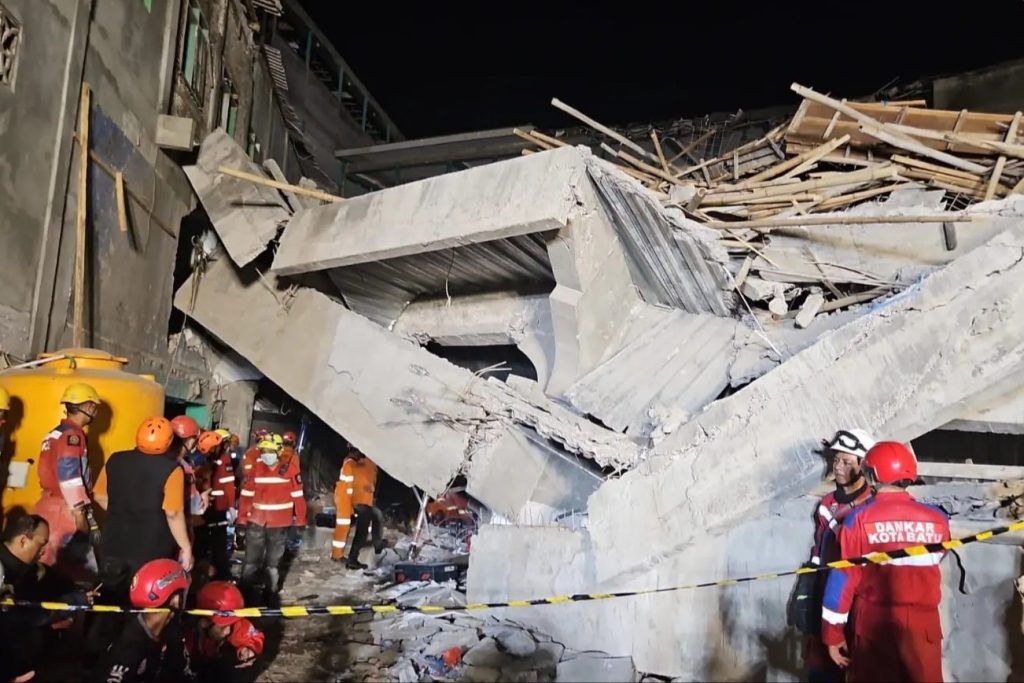
A devastating collapse of a traditional Islamic boarding school, known as a pesantren, in Sidoarjo, East Java, Indonesia, has resulted in the death toll rising to six, with rescue workers continuing their search for dozens of missing students. The incident has also left approximately 100 others injured, sparking concerns about the safety and structural integrity of such institutions. As the rescue efforts unfold, the community is left to grapple with the aftermath of this tragic event.
The pesantren, a cornerstone of Islamic education in Indonesia, is typically housed in private residences, mosques, or traditional dormitories. These institutions have a rich history, dating back to the traditional Javanese pondokan, where students would gather to learn various subjects, including martial arts, meditation, and religious philosophies.
The pesantren education system aims to deepen knowledge of Islamic texts and thought, with instructors, known as kyais, guiding students in their academic and spiritual journeys. The collapse of such an institution is a stark reminder of the need for robust infrastructure and safety measures to protect the lives of students and staff. As the search for missing students continues, the authorities are working tirelessly to account for all those affected by the collapse.
The incident has highlighted the importance of regular safety inspections and maintenance of buildings, particularly those that house large numbers of people. In the case of the pesantren, the fact that dozens of students remain missing and many others were injured underscores the severity of the situation.
The rescue workers, aided by local community members, are racing against time to locate those trapped under the rubble, with the hope of finding survivors and reuniting them with their families. The use of renewable energy sources, such as solar and wind power, can help reduce the environmental impact of human activities, including the construction and maintenance of buildings. By transitioning to cleaner energy sources, communities can not only reduce their reliance on fossil fuels but also create more sustainable and resilient infrastructure.
In the context of the pesantren collapse, the adoption of renewable energy sources could help mitigate the environmental consequences of reconstruction efforts, ensuring that the rebuilt institution is more sustainable and environmentally friendly. This approach can also contribute to energy security and cost savings, making it a viable option for communities seeking to reduce their environmental footprint. As the people of Sidoarjo come to terms with the tragedy, they are also looking to the future, with a renewed focus on safety, sustainability, and community resilience.
The incident serves as a reminder of the importance of prioritizing the well-being and safety of individuals, particularly in institutions of learning. By working together to rebuild and recover, the community can create a more secure and sustainable environment for all, one that values the preservation of human life and the protection of the environment.
The road to recovery will undoubtedly be long and challenging, but with a collective commitment to safety, sustainability, and environmental stewardship, the community can emerge stronger and more resilient than ever. Looking ahead, the incident will likely prompt a review of safety protocols and building codes in Indonesia, particularly in relation to traditional institutions like the pesantren.
As the investigation into the collapse continues, it is essential that the authorities and community leaders work together to identify the causes of the tragedy and implement measures to prevent such incidents in the future. By prioritizing safety, sustainability, and environmental responsibility, the community can create a better future for all, one that balances human needs with the need to protect the planet.
As the rescue efforts come to a close, the focus will shift to rebuilding and recovery, with the hope of creating a more sustainable and resilient community that values the well-being of both people and the environment.




