
Rizma Nur Fatimah teaches in Banjarbaru, South Kalimantan, and last week the smoke in her classroom got so thick that “you couldn’t even see your own feet.” She is 19, a teaching assistant, and told the BBC she has lived with the haze all her life. “It’s the same every year, so we’ve almost become resigned to it. But this year is worse.”
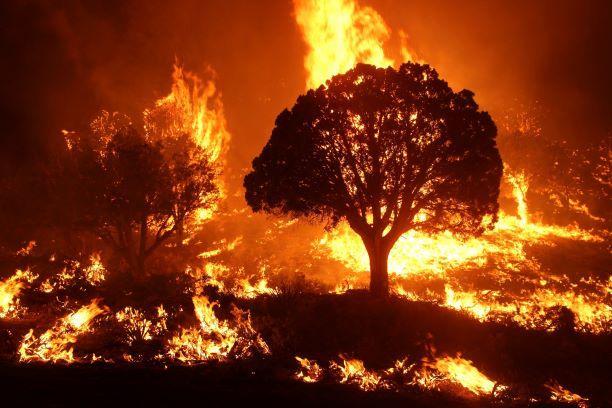
Wildfires that have burned across Sumatra and Indonesian Borneo since mid-July are sending smoke into Malaysia, Singapore and the Philippines. Millions of people have breathed it. In some places the pollution has been rated “acutely unhealthy,” more than 15 times the level the World Health Organization recommends. A so-called Super El Niño is deepening the drought and feeding the fires.
Indonesia’s Health Ministry logged more than 50,000 respiratory infections tied to the fires between July and August. Over 12,000 of the patients were children under five.
Misbah, a 23-year-old mother in the nearby village of Pengayuan, said her three-year-old daughter came down with “a cough, a sore throat and a runny nose.” About 1,300 kilometres away on Palawan, in the Philippines, residents report itchy eyes, noses and throats. “We are now experiencing mild headaches,” said Dr Precious Bañas-Melad. “My cousin who isn’t allergic to anything started developing allergies. My husband is the first one who had itchy eyes and throat.” Malaysia has seen more cases of asthma and conjunctivitis as the smoke crosses its border.
Old roots, new worry
None of this is new. Experts trace the problem to decades of land-use change that began in the Suharto era, when large tracts of Kalimantan’s rainforest and peatland were opened up for logging, plantations and other development. Environmental groups, researchers and government investigations have repeatedly alleged that some companies burn land because it is a cheap, effective way to clear it. Drained peatlands, timber estates and oil palm plantations leave the ground more prone to burn, and fires often return to the same places.
Borneo’s peat matters because it stores so much carbon. “Peatlands are incredibly effective carbon stores because their waterlogged conditions slow decomposition, allowing carbon to accumulate underground for thousands of years,” said Dr Nisa Novita, a peatland researcher at the Indonesian NGO Yayasan Konservasi Alam Nusantara. Drain or burn them, she said, and they can become a “carbon bomb.”
The coming weeks could be worse. Professor Bambang Hero Saharjo, a forest fire forensics expert at Institut Pertanian Bogor University, said fires burned 359,000 hectares last year without El Niño. Citing research, he told the BBC this year’s could reach 11 million hectares, close to Indonesia’s worst season in 1997 and 1998.
Forestry minister Raja Juli Antoni told reporters earlier this week that the fight to put the fires out was entering a critical phase. “Our problems are not over. September is the peak of El Niño,” he said. “September is the main fight for us.”




