
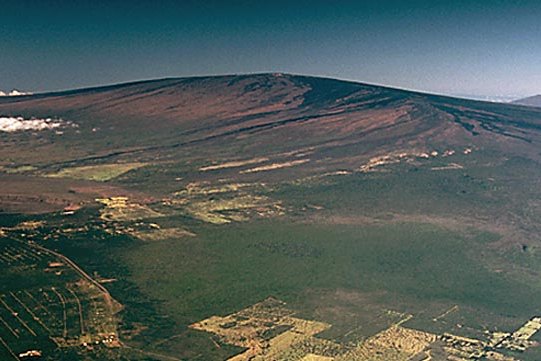
Hawaii, September 5, 2026 On the windswept slopes of the Big Island, residents are reminded that National Preparedness Month carries a weight of urgency. For in Hawaii, unlike hurricanes, volcanic eruptions and earthquakes do not have a season and can occur at any time. The earthquake hazard in Hawaii is among the highest in the United States, with the south side of Hawaii Island having the highest hazard.
Earthquakes in Hawaii can have far-reaching impacts, resulting in ground cracks, ground settling, landslides, and local tsunami. “If you fail to prepare, you are preparing to fail,” a quote from Benjamin Franklin, echoes in the minds of the residents as they brace for the unexpected.
The past year in Hawaii has shown that hurricanes, eruptions, earthquakes, flooding, and severe weather can occur with little or no warning, causing power outages, disrupted roadways, and other impacts. In the face of these uncertainties, scientists at the USGS Hawaiian Volcano Observatory closely monitor active volcanoes in Hawaii for signs of unrest. They communicate via the USGS Volcano Alert Level and Aviation Color Code.
The Volcano Alert Level uses words — NORMAL, ADVISORY, WATCH, WARNING — to describe activity and hazards to people on the ground. A volcano at NORMAL is not erupting or showing signs of unrest (earthquakes/ground deformation/gas emissions), while a volcano at WARNING is erupting in a hazardous way (or about to).
The Aviation Color Code System uses colors — GREEN, YELLOW, ORANGE, RED — to inform the aviation community about volcanic ash hazards. The USGS Hawaiian Volcano Observatory’s vigilance was evident during the recent episode 43 on March 10, when a car parked within Hawaii Volcanoes National Park was covered in tephra fall, as seen in a photo credited to USGS photo by N. Deligne.
As the sun sets, the Big Island stands as a testament to the island’s volatile nature. The residents, ever vigilant, continue to navigate this landscape, preparing for the unexpected. They are reminded that the key to survival lies in learning what hazards can affect them and when, making an emergency plan, building an emergency supply kit (go bag), and getting involved in their community.
In the realm of geological unpredictability, the USGS Hawaiian Volcano Observatory serves as a beacon of reassurance, constantly monitoring and communicating the status of the island’s active volcanoes. As the sun sets on the Big Island, the residents carry on, their preparations a testament to their resilience in the face of the island’s volatile nature.




