
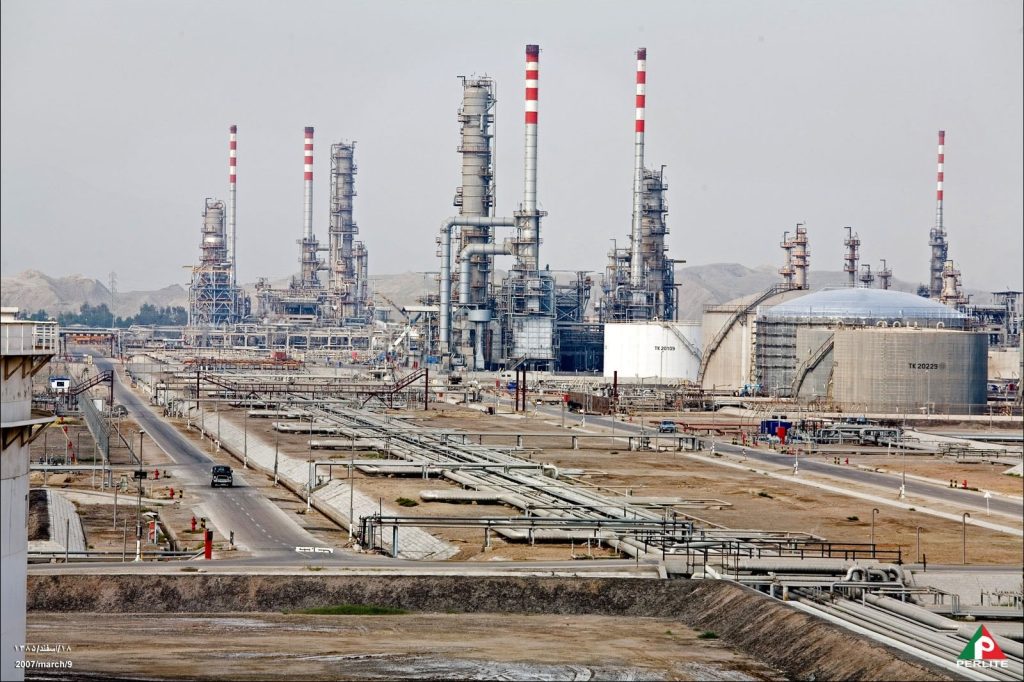
On 22 September 2023, an accident at the oil refinery in Bandar Abbas, Hormozgan province, resulted in one death and left four workers injured. The refinery, a large‑scale industrial complex that converts crude oil into gasoline, diesel, liquefied petroleum gas and other fuels, has not yet disclosed the cause of the incident. Authorities have indicated that a formal investigation will be launched to determine the circumstances surrounding the event.
The Bandar Abbas facility is a key component of Iran’s energy infrastructure. It receives crude oil from upstream production sites, stores the feedstock in an on‑site depot, and processes it through a series of refining operations that yield a variety of petroleum products essential for domestic consumption. The plant’s role in supplying fuel for transportation and industry underscores its strategic importance.
Refining operations involve numerous high‑temperature and high‑pressure processes, such as catalytic cracking, which break down heavy hydrocarbons into lighter fuels and petrochemical feedstocks like ethylene and propylene. Because these procedures handle hazardous materials, strict safety protocols, regular equipment maintenance, and comprehensive emergency response plans are mandatory to mitigate risks.
The recent accident highlights the inherent dangers of working in such environments when safety measures fail or are insufficient. While the exact trigger remains unknown, the incident serves as a reminder that continuous vigilance and adherence to safety standards are crucial in preventing loss of life and injury at refineries worldwide.
Globally, oil refineries play a vital role in meeting energy demand. In 2020, the combined capacity of refineries around the world was substantial, reflecting the sector’s importance in producing the fuels that power modern economies. However, the Bandar Abbas event adds to the ongoing discussion about the need for rigorous safety oversight in the industry.
In the broader energy context, the accident arrives at a time when many nations are evaluating their reliance on fossil fuels. Renewable sources such as solar and wind are increasingly viewed as cleaner alternatives that can enhance energy security while reducing environmental impact. Nonetheless, existing refinery infrastructure remains essential for current energy needs, emphasizing the importance of balancing safety, reliability and a gradual shift toward greener technologies.
Following the incident, it is expected that Iranian refinery operators will review and possibly tighten safety procedures to avoid similar occurrences. Lessons learned from the investigation could influence not only domestic practices but also inform safety standards at refineries in other countries.
As the inquiry proceeds, families of the victims, the injured workers, and the wider community await answers and assurances that appropriate steps will be taken to improve workplace safety. The event underscores the dual challenge facing the energy sector: maintaining uninterrupted fuel supply while safeguarding the health of personnel and the environment.
Ensuring that future refinery operations prioritize robust safety mechanisms, continuous training, and emergency preparedness will be critical in preventing further tragedies. At the same time, ongoing investment in renewable energy alternatives remains a strategic priority for achieving a more sustainable and secure energy future.




