
“We are not seeking to levy transit tolls; however, fees will be charged in exchange for the services that are provided.” That was Esmaeil Baghaei, spokesman for Iran’s foreign ministry, on Monday, a day after President Donald Trump declared that the Strait of Hormuz would stay “permanently toll-free” under the US-Iran peace agreement.
By Thursday, Iran had announced a timetable. The Guardian reported that Tehran plans to introduce a system of maritime fees in the strait in two months, once the 60-day negotiation period set off by the signing of the memorandum of understanding ends.
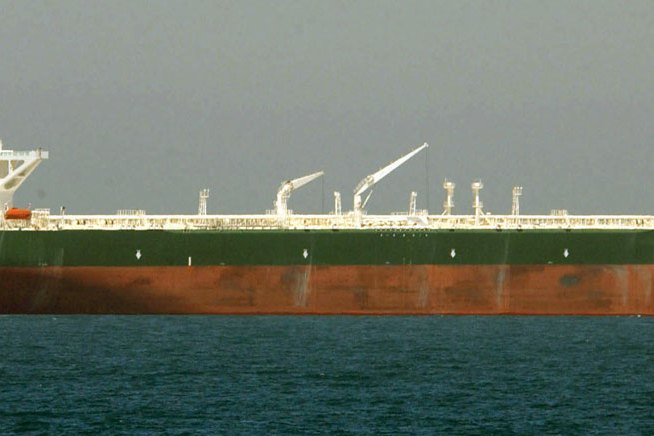
Iran said the strait was under its control. It also said a European plan for a naval mission to escort ships through the waterway would not be welcome. The US lifted its blockade of Iran on Thursday, and oil tankers began moving freely through the channel.
Services, not tolls
Iran has not said which services the charges would cover. Officials have previously pointed to environmental, navigational and maritime management services.
Mohammad Bagher Ghalibaf, Iran’s chief negotiator, said the strait needed to be managed and that this would carry a cost. Roughly a fifth of the world’s oil and liquefied natural gas supplies pass through it, Gulf News reported.
The idea has a history. In March, Iranian officials signalled that ships could face new charges. By May, Tehran had set up an authority that it said would oversee “safe passage permits” and maritime administration. Iran and Oman later discussed a framework in which vessels would pay fees tied to services in the waterway.
Objections
Saudi foreign minister Prince Faisal bin Farhan Al Saud rejected the plan. “The management of the strait was working fine before the conflict,” he said, adding: “So why should we now, as a result of a conflict, accept some novel arrangement that is going to be imposed on it?” He said the answer was to go back to the way it was.
French President Emmanuel Macron said on Monday that international law must be upheld, and he opposed charges for passage.
Legal specialists are doubtful too. James R. Holmes, chair of maritime strategy at the US Naval War College, told The New York Times: “There is no provision in international law for a coastal state charging for passage through a natural waterway, whether you call it a toll or a fee or whatever.” He contrasted Hormuz with the Panama and Suez canals, where operators maintain infrastructure and provide services in return for payment. Fees are generally allowed when tied to a real service, such as pilotage, traffic management or waste disposal. A toll for the bare right to pass is another matter, and critics say a fee that ships must pay to get through may work like a toll whatever it is called.
Before the war, passage through Hormuz was free. Gulf News noted that governments and shipping companies are worried the strait may never fully return to its pre-war status, and that any extra costs for shipping firms are likely to be passed on through supply chains.
Talks ahead
Technical-level talks between the US and Iran are due at the Qatari-owned Bürgenstock resort by Lake Lucerne, the first direct meeting since the two sides met in Islamabad on 12 April. They will focus on carrying out the 14-clause memorandum, including lifting sanctions on Iranian oil exports and getting commercial traffic flowing through the strait. A formal signing ceremony planned for Friday was cancelled, though Trump and Iranian President Masoud Pezeshkian have already signed the document.
Sources
- Iran announces plans to bring in maritime fees for strait of Hormuz
- No tolls, just fees? What Iran's plan for Strait of Hormuz means




