
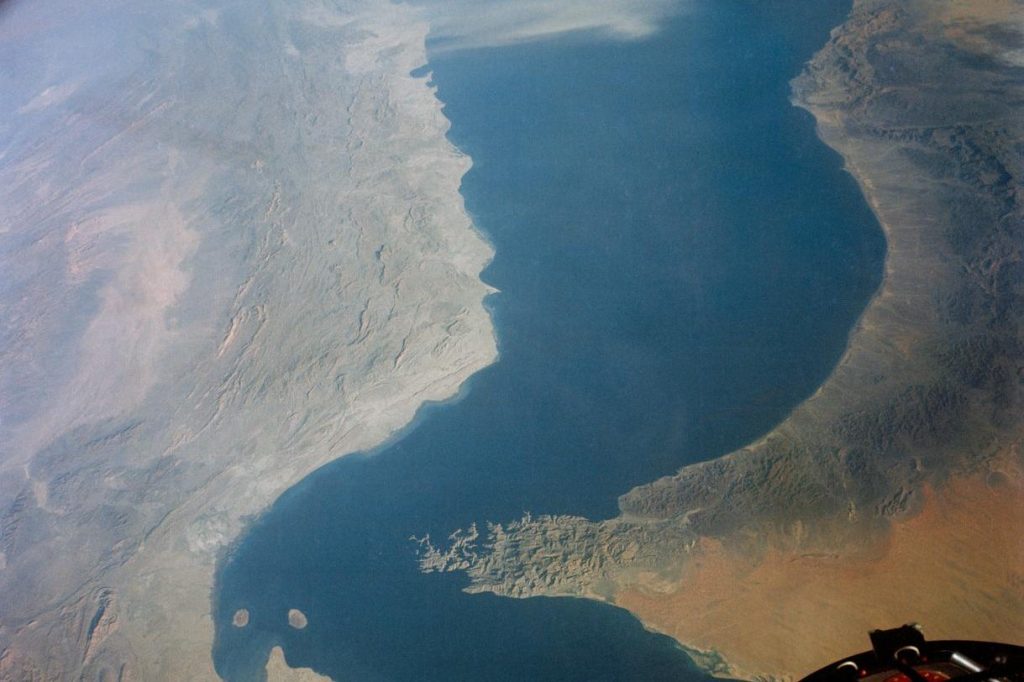
TEHRAN, July 6 — The Strait of Hormuz, a narrow waterway that carries roughly a fifth of the world’s daily oil consumption, is once again drawing the attention of energy markets and strategic planners. According to data from the U.S. Energy Information Administration, the strait handled about 17 million barrels per day in 2022. That volume represents 20% of global consumption, a concentration that makes the passage a persistent flashpoint for price volatility.
History offers a clear warning. In 2019, attacks on Saudi Arabian oil facilities sent prices up by 15% within days.
The strait itself was not directly hit then, but the market reaction underscored the nervousness that surrounds any threat to Gulf shipping lanes. Oil prices in 2023 hovered around $80 per barrel, according to international reports. A prolonged closure of the strait, however, could push prices above $100.
Asian economies are particularly exposed. China, Japan, and India import large volumes of oil through the waterway, and any sustained interruption would hit their transportation and manufacturing sectors hard.
The International Energy Agency holds strategic petroleum reserves designed to buffer against such shocks. The U.S. Strategic Petroleum Reserve, for instance, contained about 375 million barrels as of early 2024. That stockpile provides a cushion, but it is not unlimited.
Higher oil prices would feed into inflation globally. Rising crude costs increase expenses across transportation and manufacturing. For Iran, which lies along the strait’s northern shore, the calculus is layered.
The country has long viewed the waterway as both an economic lifeline and a lever of regional influence. What to watch next: any concrete sign of disruption—whether from military activity, diplomatic breakdown, or technical failure—will test the resilience of global energy markets.
For now, the strait remains open, but the numbers alone explain why the world watches it so closely.
{“@context”: “https://schema.org”, “@type”: “NewsArticle”, “headline”: “Iran Strait Attacks Threaten Global Oil Market Disruption”, “description”: “TEHRAN, July 6 — The Strait of Hormuz, a narrow waterway that carries roughly a fifth of the world’s daily oil consumption, is once again…”, “datePublished”: “2026-07-06T09:30:00+00:00”, “author”: {“@type”: “Person”, “name”: “Reza Karimi”}, “publisher”: {“@type”: “Organization”, “name”: “InfoPulse Today”, “url”: “https://newsfeed.infopulsetoday.com/”}}




