
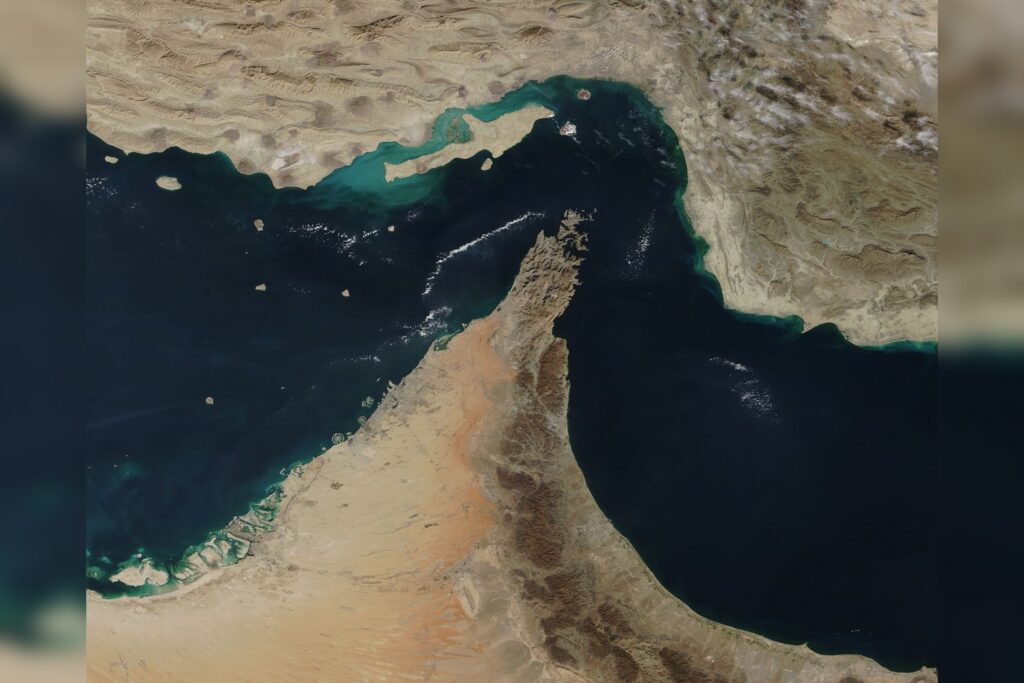
WASHINGTON, July 7 — For families who depend on the steady flow of goods through the Strait of Hormuz, the waterway has always been more than a line on a map. It is the artery that carries the oil that powers hospitals, the fuel that runs generators in clinics, the energy that keeps supply chains moving for medicines and medical equipment. When Iran threatens to close that strait, the human side of the equation becomes painfully clear.
The history of these threats runs deep. Iran has a record of threatening to close or disrupt the Strait of Hormuz dating back to the Iran–Iraq War in the 1980s, when it attacked oil tankers.
In 2012, Iran threatened to block the strait in response to U.S. and European Union sanctions over its nuclear program. For the United States, this has meant a consistent naval presence to ensure free passage, including through the U.S. Fifth Fleet.
A fragile calm, then renewed pressure
The 2015 Joint Comprehensive Plan of Action, known as the JCPOA, temporarily eased tensions between the two nations. But the U.S. withdrawal from that agreement in 2018 under President Donald Trump led to renewed sanctions and Iranian retaliation. What this means for patients and families is that instability in the region has a direct line to the cost and availability of essential goods.
Iran’s Islamic Revolutionary Guard Corps has been the primary actor in these incidents. In 2019, the IRGC seized tankers including the Stena Impero.
Behind that headline, for the families of the crew, the weight of the job became something far heavier — a loved one caught in a geopolitical standoff, far from home, with no clear end in sight.
What to watch next
As of today, the Strait of Hormuz remains a flashpoint. The U.S. administration continues to maintain its naval presence through the Fifth Fleet. For the people whose lives and livelihoods depend on safe passage through those waters — the medical supply chain workers, the fuel transport crews, the families waiting for deliveries — the question is whether the pattern of threat and response will hold, or whether something new is building on the horizon.
{“@context”: “https://schema.org”, “@type”: “NewsArticle”, “headline”: “Iran Strait Threats Risk Lifeline for Medicine, Fuel Supplies”, “description”: “WASHINGTON, July 7 — For families who depend on the steady flow of goods through the Strait of Hormuz, the waterway has always been more…”, “datePublished”: “2026-07-07T09:30:00+00:00”, “author”: {“@type”: “Person”, “name”: “James Roberto”}, “publisher”: {“@type”: “Organization”, “name”: “InfoPulse Today”, “url”: “https://newsfeed.2bme.xyz/”}}




