
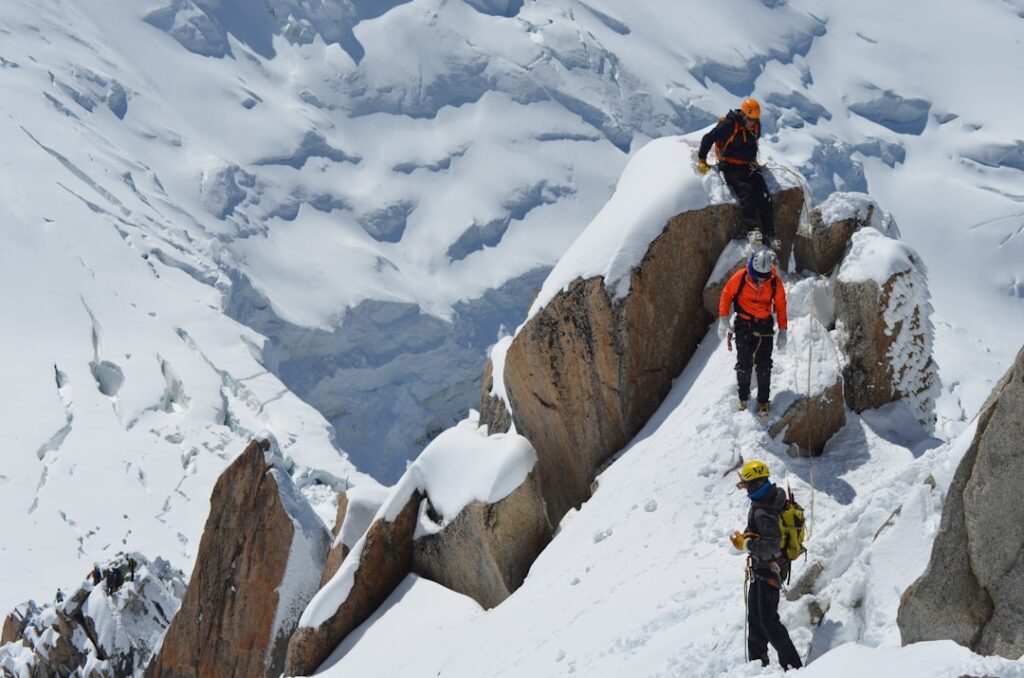
The loss of three Italian hikers on Mont Blanc on 14 July has reverberated through a nation whose identity is closely tied to its mountainous landscape. The Alps, forming the northern backbone of Italy, are a daily backdrop for outdoor pursuits, and the recent fatality has reignited discussions about how to better protect those who venture onto the peaks.
Mont Blanc, the highest summit in the Alpine range, attracts thousands of climbers each year. Its striking scenery is matched by a reputation for danger: steep terrain, rapidly changing weather and the ever‑present risk of sudden storms can turn a routine ascent into a life‑threatening situation within minutes. The three victims were Italian nationals who set out on a July climb—a month that traditionally sees the highest volume of alpinists, meaning many other hikers were likely on the same routes at the time of the incident.
In the wake of the tragedy, authorities from both France and Italy have launched an investigation. Officials will review the weather conditions on the day of the accident, assess the equipment the hikers carried, and interview guides and other climbers who were in the area.
While the inquiry proceeds, the mountain remains open to the public, and no temporary closures or restrictions on specific trails have been announced. The impact on the families of the deceased is immediate and profound, but the sorrow extends beyond private grief. Italian alpine clubs, rescue teams and local guides—tight‑knit networks that share the mountain as both workplace and community—feel the loss acutely.
Each fatality is not an abstract statistic; it is a colleague, a friend, a fellow mountaineer who never returned. Tourism in the Mont Blanc region also feels the ripple effect.
The area’s economy relies heavily on hikers, climbers and skiers who patronise guiding services, mountain huts, equipment rentals and hospitality businesses. A high‑profile accident involving multiple fatalities serves as a stark reminder that the mountains are not amusement parks, and some potential visitors may choose to postpone or cancel trips, leading to a measurable, if not catastrophic, dip in local revenue. Italy’s diverse geography—from the Alpine north to the Mediterranean south, volcanic islands and rolling hills—has cultivated a deep respect for the land’s power and unpredictability.
The recent deaths underline a long‑standing understanding that nature cannot be fully tamed by regulation alone; the mountain’s indifference to human plans remains a constant. What follows will depend on the findings of the binational investigation.
Possible outcomes include recommendations for improved communication systems, stricter check‑in procedures, or more precise weather forecasting tailored to climbers. Conversely, investigators may conclude that the tragedy resulted from an unavoidable convergence of adverse circumstances. Regardless of the final report, the families will lay their loved ones to rest, guides will continue to lead ascents, and tourists will keep returning to the Alpine foothills.
Mont Blanc will persist as it always has—an awe‑inspiring yet demanding natural monument, beautiful but indifferent to human ambition.




