Japan’s new disaster agency opened Monday with a 65.2 billion yen budget request for fiscal 2027 and a mandate extending well beyond emergency response. More than 30% of that request is assigned to industrial promotion, reflecting a plan to turn expertise acquired in a disaster-prone country into exports.
The National Disaster Management Agency replaces the Cabinet Office’s disaster management division as the central coordinator for ministries and local governments. Its remit covers risk assessment, preparation, emergency response, recovery and reconstruction.
A command structure with limited enforcement
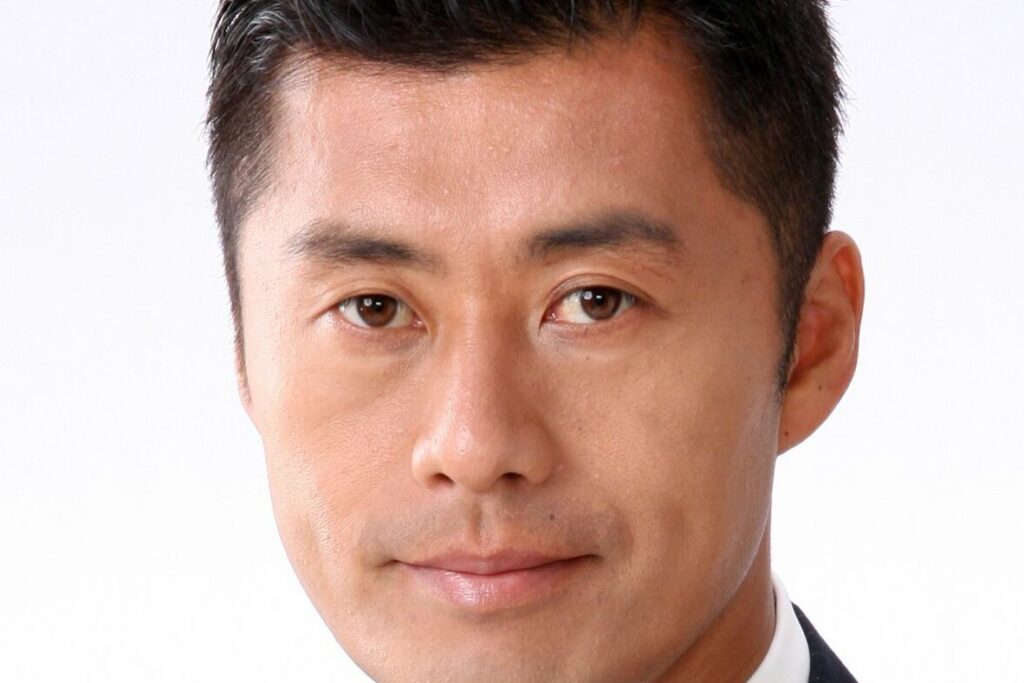
The prime minister will head the agency. Goshi Hosono, the new Minister of State for Disaster Management, will hold that position concurrently with his reconstruction portfolio.
Staffing is set to increase from about 220 to 350. The enlarged organization is intended to provide a consistent command system before and after disasters, including a major event in the Tokyo metropolitan area.
It can direct ministries and other government bodies, but the law provides no penalties for failing to comply. That gap could determine how well the structure works when agencies are under pressure.
Political journalist Tetsuo Suzuki, who served on an advisory panel for the agency’s creation, identified swift implementation and the avoidance of bureaucratic disputes as central challenges.
The preparatory work began in earnest in November 2024, when an office was established within the Cabinet Secretariat. Experts subsequently discussed how to reorganize the government’s disaster functions.
Earthquake planning and regional offices
The government treats two earthquake scenarios as national-level disasters: a Nankai Trough mega-earthquake and a direct hit beneath the capital from an inland event. The government classifies both as national-level disasters.
The agency will develop disaster-prediction technology, assess regional risks and model response plans. It is also expected to identify weaknesses in existing arrangements and prepare for compound events involving wind, flooding and aging infrastructure.
Regional offices are planned by the summer of 2028 in areas where strong earthquakes are forecast. One target is the Pacific side of the Nankai Trough, covering the stretch between Shizuoka and Miyazaki prefectures.
More than 40 local government organizations have expressed interest in hosting an office.
Business and household preparation
Private companies are meant to play a larger role in local preparedness and response. Hosono wants partnerships that make it easier for businesses to assist with work often performed by the Japan Self-Defense Forces.
His message to households came with a warning against relying excessively on those forces during a large-scale disaster. Individuals and communities need their own preparations when transport, communications and public services are disrupted.
The government is asking households to store at least 3 days’ worth of water, food and toilet supplies, preferably enough for 1 week.
Hosono’s initial description of an emergency appeal prompted rumors that officials had information about an approaching war or a particular disaster. He rejected that suggestion at an October 30 press conference.
The request, he said, was intended to encourage general readiness for major disasters expected in the future, not to announce an imminent event.
The government’s longer-term economic target is approximately 2 trillion yen in overseas disaster-prevention sales by 2030, up from 1 trillion yen in 2024.
Sources
- Japan launches disaster response coordination agency
- Japan’s new disaster agency aims to streamline response, but challenges remain
- Japan's Disaster Management Agency to launch on the 2nd… tasked with preparing for major earthquakes and fostering the disaster prevention industry
- Understand in 5 Minutes! Today's Top 5 News Stories [November 2, 2026]|ぴーちゃん@5分でわかる今日のニュース フォロバ100🍀
- "Prepare A Week's Worth of Food?" Minister Clarifies After Public Concern
Photo: 内閣官房内閣広報室 (CC BY 4.0)