
WASHINGTON — Two hundred and fifty years ago, Thomas Jefferson sat down to write. He was a lawyer. The document he produced, signed four days later, bore the mark of that training.
It still does. The Declaration of Independence is not a poem.
It is a legal brief. Jefferson drew on Sir William Blackstone, the English jurist whose Commentaries on the Laws of England had appeared in 1757. Blackstone gave the colonies their common law framework.
He also gave Jefferson the spine of his argument. Blackstone wrote that natural rights come from the Creator.
Life. Liberty. The pursuit of happiness.
He was explicit about where life begins. In the womb. Unborn children, he stated, hold that right as clearly as anyone breathing air.
Jefferson knew this. The other Founders knew it.
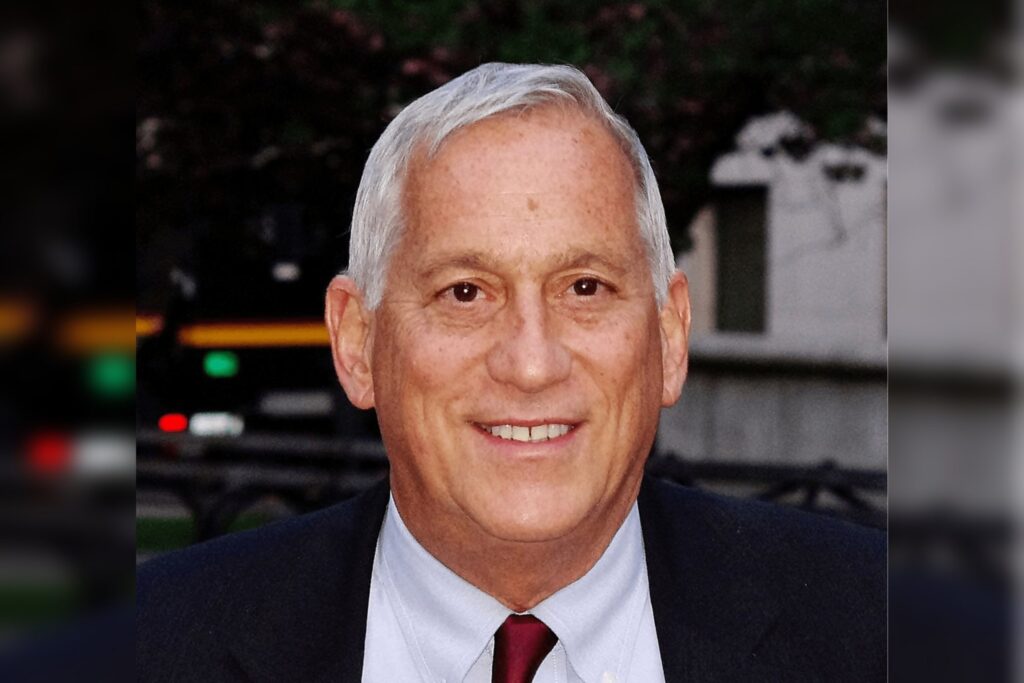
They did not stumble into the phrase “all men are created equal.” They chose it. They meant it to carry legal weight, not just patriotic warmth. Author Walter Isaacson has called that sentence “The Greatest Sentence Ever Written.” That is a strong claim.
But the sentence has lasted. It is the reason the nation is marking its semiquincentennial at all.
The celebration is real. Bunting hangs from windows on Pennsylvania Avenue. School groups file past the National Archives.
They stop at the glass case. They look at the faded ink. A ranger tells them about the summer of 1776.
Hot. Humid.
Delegates arguing. But the day is not just about parades. The legal meaning of those words is being debated again.
In courtrooms. In statehouses.
In the pages of new books. The question is straightforward: Did the Founders draw a line around the unborn, or did they leave that line to later generations? The source material is clear on Blackstone.
He said the right to life begins before birth. The Declaration’s structure follows Blackstone. The logic is there.
The question is whether modern America still accepts that logic. On the National Mall, the mood is mixed.
Families sit on blankets. Vendors sell flags and hot dogs. A man in a tricorn hat stands near the Washington Monument.
He holds a sign that reads “Life, Liberty, and the Pursuit of Happiness for All.” A woman nearby carries a different sign. She quotes Blackstone’s words about the womb.
Neither group is shouting. This is Washington. People argue with signs and pamphlets, not fists.
But the argument is old. It is the argument Jefferson started when he put pen to paper. The Declaration’s opening sentence was not decoration.
It was a claim about the moral boundaries of the Republic. Those boundaries were meant to hold.
Whether they have held is the question of the anniversary. A quarter of a millennium is a long time. The ink has faded.
The parchment has cracked. But the words remain.
“All men are created equal.” The sentence is still being tested. That is what the celebration is about. Not just the past.
The present. Jefferson would recognize the scene. A city full of lawyers.
A nation arguing about rights. A document that refuses to sit quietly in a museum.
{“@context”: “https://schema.org”, “@type”: “NewsArticle”, “headline”: “Jefferson’s Legal Training Shaped Declaration of Independence’s Enduring Argument”, “description”: “WASHINGTON — Two hundred and fifty years ago, Thomas Jefferson sat down to write. He was a lawyer. The document he produced, signed four days…”, “datePublished”: “2026-06-30T06:14:03+00:00T09:30:00+00:00”, “author”: {“@type”: “Person”, “name”: “Ava Anderson”}, “publisher”: {“@type”: “Organization”, “name”: “InfoPulse Today”, “url”: “https://newsfeed.2bme.xyz/”}}




