
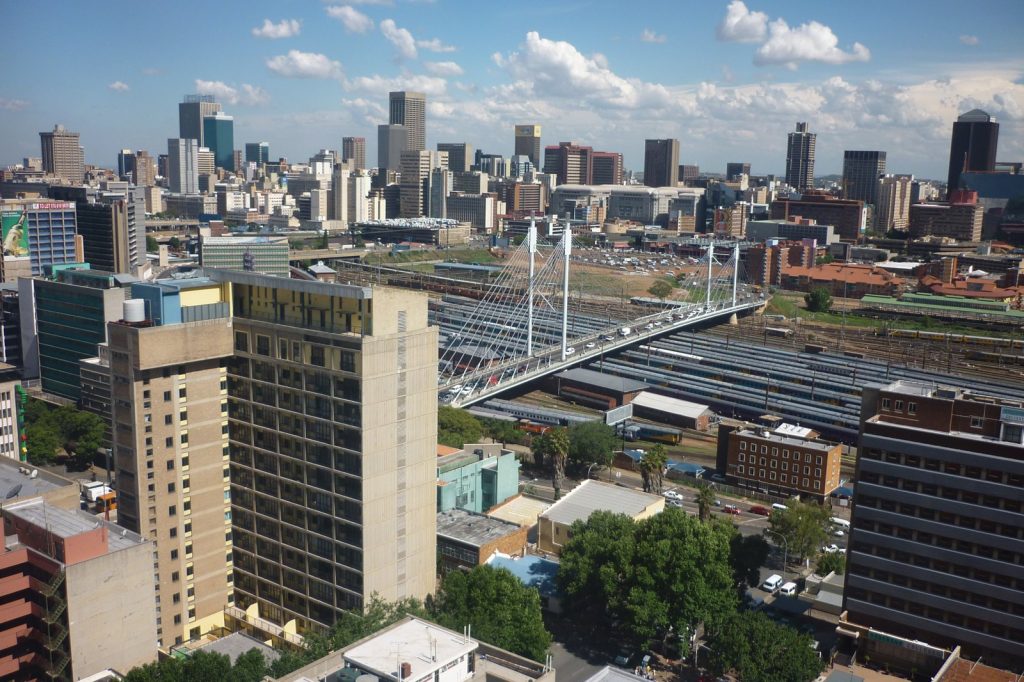
A major underground gas explosion in Johannesburg, South Africa, has left one person dead and 48 others injured, according to reports from July 19, 2023. The event underscores the serious dangers posed by gas leaks, which can have profound effects on public safety and the environment.
Gas leaks occur when natural gas or other gaseous substances escape from pipelines or storage systems into unintended areas. These leaks present substantial hazards, particularly in enclosed spaces like buildings, where even minor leaks can build up over time and reach explosive or deadly concentrations.
The risks associated with gas leaks extend beyond immediate blasts or fires. They also carry long-term environmental consequences. For example, natural gas leaks release methane, a powerful greenhouse gas, into the atmosphere. Similarly, refrigerant gas escapes can contribute to ozone layer depletion and other ecological issues. These fugitive emissions, which often originate from industrial operations and equipment, can have enduring effects on global ecosystems.
Understanding the perils of gas leaks is well established, and incidents such as the one in Johannesburg serve as stark reminders of the necessity for vigilance and preventive measures. Gas leaks can result from multiple factors, including aging infrastructure, inadequate maintenance, and human error. Beyond the immediate threats of explosion or fire, prolonged exposure to leaked gases can lead to chronic health problems for affected individuals. The economic toll is also significant, encompassing damage to property and infrastructure, as well as lost productivity and economic activity.
As global reliance on fossil fuels persists, the issue of gas leaks and fugitive emissions becomes increasingly urgent. While some experts argue that natural gas leaks contribute to global warming, the primary environmental concern remains the direct harm these leaks cause to ecosystems and human health. Transitioning to renewable energy sources, such as solar and wind power, offers a promising path to reduce dependence on fossil fuels and mitigate the risks associated with gas leaks. Investing in renewables can enhance energy security, lower costs, and foster a cleaner, healthier environment for future generations.
The Johannesburg incident also highlights the critical need for robust safety protocols and emergency response plans. This includes regular inspections and maintenance of gas pipelines and infrastructure, along with public education campaigns to inform people about gas leak risks and prevention strategies. Governments, industries, and communities must collaborate to avert such tragedies and safeguard the planet. By prioritizing environmental sustainability and adopting cleaner energy sources, the risks of gas leaks can be reduced.




