
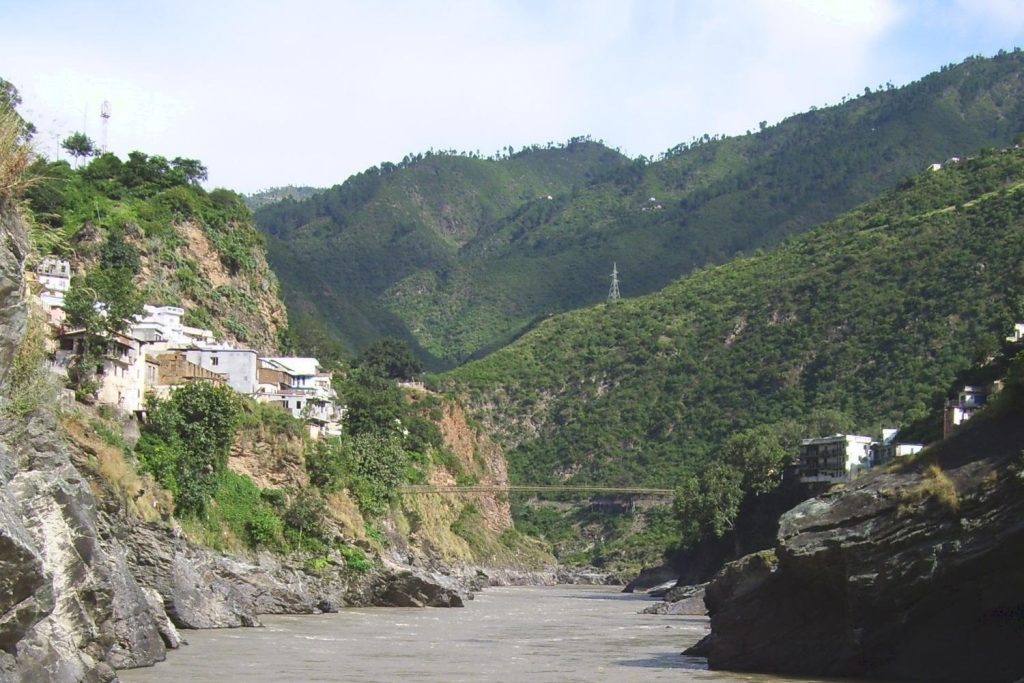
On the banks of the Alaknanda River in Chamoli district, Uttarakhand, an electricity transformer ruptured and exploded, killing 16 people and wounding 11 others. The sudden release of energy caused extensive damage to the surrounding area and has intensified scrutiny of India’s power‑distribution network, especially in remote, ecologically sensitive zones. The transformer involved is a key element in the country’s electric grid, designed to move power between circuits without a direct metallic link, a principle that follows Faraday’s law of induction.
While such equipment enables efficient long‑distance transmission, a failure can produce catastrophic outcomes, as demonstrated by this incident. Authorities have opened an investigation to determine why the transformer gave way.
Although a definitive cause has not yet been identified, officials emphasize that regular inspection and maintenance are essential to prevent similar disasters. The tragedy has prompted calls for a thorough review of the condition and upkeep of electrical infrastructure in the region. Beyond the human toll, the blast raises environmental concerns.
The Alaknanda River holds religious significance in Hinduism and traverses a landscape noted for its natural beauty and biodiversity. Any contamination or damage to the river’s ecosystem could have lasting effects on both local communities and wildlife.
In response, the Indian government and local officials are being urged to collaborate on upgrading and safeguarding power equipment in Uttarakhand. Ensuring the reliability of transformers and other grid components is seen as vital for protecting lives, preserving the environment, and supporting the nation’s broader economic development. Transformers are ubiquitous in modern society, underpinning generation, transmission, and distribution of electricity. As India expands its electrical network to meet rising demand, prioritising safety through systematic maintenance, periodic inspections, and the adoption of newer, more resilient technologies is increasingly important.
Looking ahead, the incident underscores the need for a resilient and sustainable energy system. Investment in renewable sources such as solar and wind can lessen reliance on fossil fuels, enhance energy security, and reduce the environmental footprint of power generation.
A robust, well‑maintained grid is essential for integrating these clean‑energy options and for delivering reliable electricity to a growing population. The Chamoli transformer explosion serves as a stark reminder that the safety of electrical infrastructure cannot be overlooked. By reinforcing existing equipment, embracing advanced technologies, and promoting renewable energy, India can aim to prevent future tragedies while fostering economic growth and environmental stewardship.




