
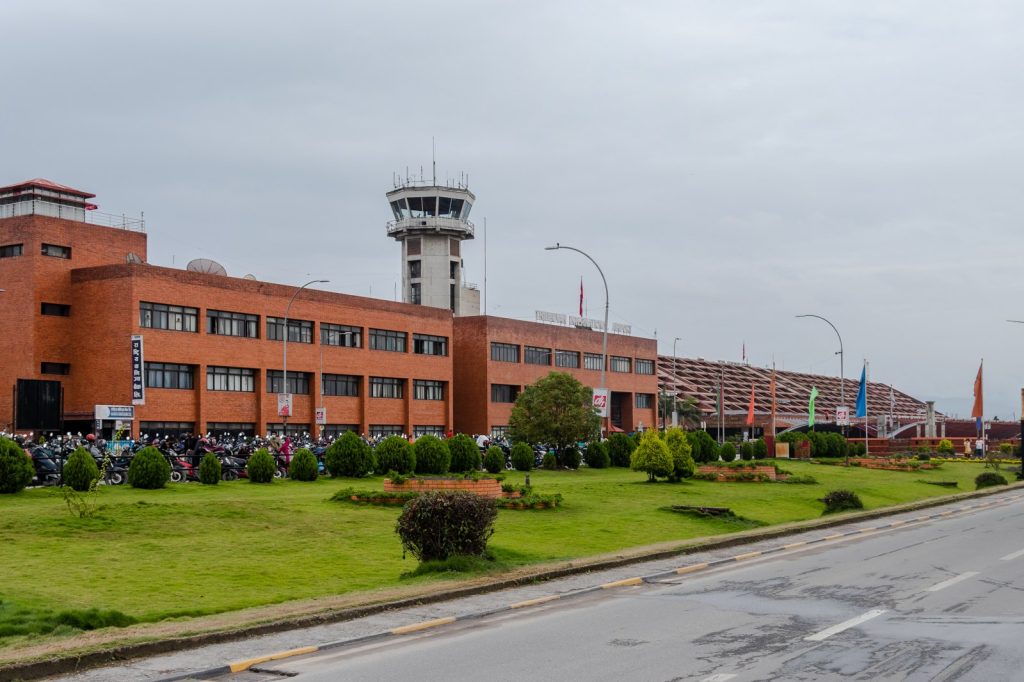
On 24 July 2024 a Bombardier CRJ‑200 attempted to depart from Tribhuvan International Airport in Kathmandu, Nepal, but the aircraft failed to become airborne. The mishap resulted in the deaths of eighteen passengers and crew, leaving only the captain alive to survive the impact.
Aircraft background and safety record
The jet involved belongs to Bombardier Aerospace’s regional CRJ family, which traces its origins to the Challenger 600 business aircraft. The program, initially launched in 1989 as the Canadair Regional Jet, introduced the CRJ‑200 model in 1992.
Designed for short‑haul routes, the CRJ‑200 is equipped with efficient turbofan engines that deliver lower fuel burn, higher cruise altitudes and greater speeds compared with older regional types. Over the decades, the type has accumulated thousands of flight hours worldwide and is generally regarded as a reliable and economical workhorse for regional airlines.
Investigation focus
Authorities have opened a formal probe into the crash, with particular attention on the aircraft’s maintenance and operational history. Because the CRJ‑200, like any complex aircraft, depends on strict adherence to maintenance schedules and safety procedures, investigators will review service records, recent inspections and any reported technical issues. The captain’s survival is expected to provide valuable first‑hand information; interviewers plan to include his testimony as part of the inquiry.
Environmental considerations
While the CRJ‑200’s fuel‑efficient engines help reduce operational emissions, the broader aviation sector continues to face pressure to lessen its carbon footprint. The crash adds a dimension of environmental responsibility, as officials must ensure that wreckage removal and disposal are carried out in a way that minimizes pollution and protects local ecosystems.
The incident underscores the industry’s ongoing challenge of balancing aircraft efficiency with the environmental impacts of manufacturing, maintenance and end‑of‑life handling.
Implications for safety and sustainability
The Kathmandu accident serves as a stark reminder that safety and sustainability must remain central to aviation policy. As airlines and manufacturers invest in newer technologies—such as hybrid or electric propulsion systems—rigorous safety oversight will be essential to prevent future tragedies. Simultaneously, the sector is urged to adopt renewable energy sources, reduce waste and improve the environmental stewardship of aircraft throughout their life cycles.
Looking ahead
In the wake of the loss of eighteen lives, Nepal’s aviation community and the global industry are expected to examine the lessons from this event. Strengthening maintenance regimes, enhancing pilot training for abnormal take‑off scenarios and ensuring environmentally responsible crash‑site management are likely to feature prominently in forthcoming recommendations. The hope is that by prioritising both safety protocols and greener practices, the aviation sector can move toward a future where such accidents become exceedingly rare and the environmental impact of flight continues to decline.




