
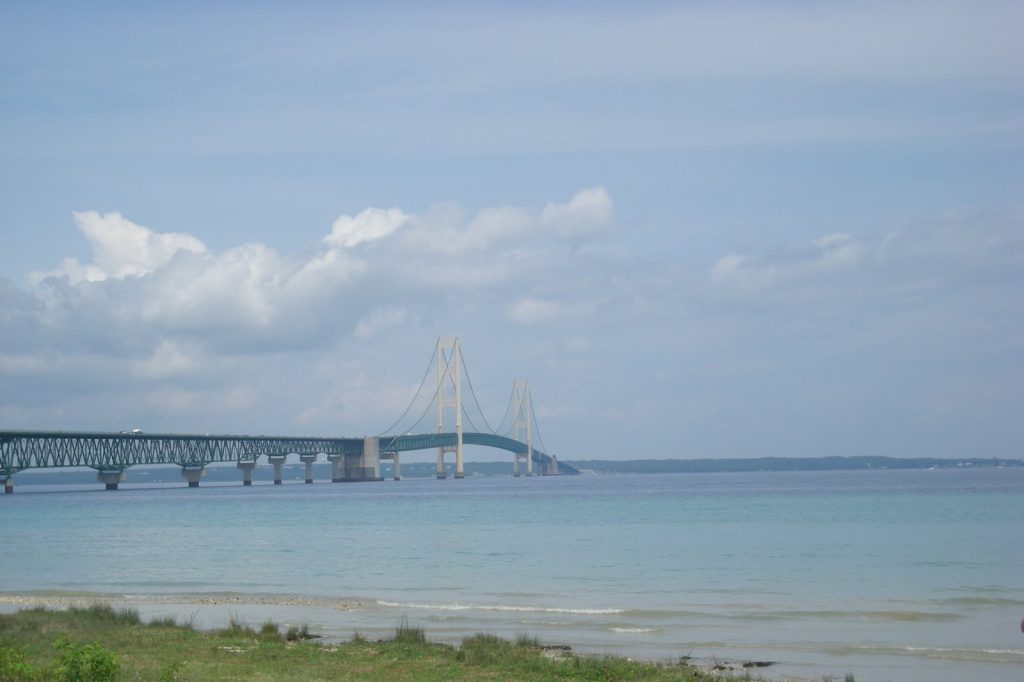
Michigan’s Supreme Court has thrown Enbridge’s Line 5 tunnel plan back to regulators. The 6-1 ruling, issued July 31, 2026, found the Michigan Public Service Commission cut corners when it approved the project: it failed to weigh the environmental effects of keeping the oil pipeline running, failed to look consistently at alternatives, and ignored public trust resources.
“We conclude that the PSC erred by not examining whether the replacement project would be the proximate cause of further environmental harms by extending Line 5’s lifespan,” wrote Justice Elizabeth Welch for the majority, adding that regulators also had to “determine whether the replacement project would ‘pollute, impair, or destroy’ the public trust”.
The lone dissenter, Justice Brian Zahra, said the commission deserved deference rather than micromanagement and rejected the idea that the line’s continued operation is itself an adverse effect of the replacement project. “This conclusion is poorly reasoned and illogical; worse yet, it creates a moral hazard”, he wrote.
The same day, in federal court
Hours after the state ruling, the American and Canadian governments urged a federal appeals court to spurn Michigan’s separate bid to shut down the existing twin lines on the lakebed. The Trump administration argued pipeline safety falls under exclusive federal jurisdiction, and both governments warned a shutdown would damage the bilateral relationship. “The United States has a manifest interest in complying with its treaty obligations with all sovereigns, and in avoiding potential monetary liability if it is found to have breached those obligations,” the administration said in its filing.
Enbridge answered the state ruling with disappointment and a hint of more litigation. “Enbridge continues to review the opinion and assess our legal options,” spokesman Ryan Duffy said, “but one thing remains unchanged: we are fully committed to the safe and responsible operation of Line 5, incorporating enhanced safety measures in the Straits and continuing to safeguard Michigan’s natural resources now and for future generations.”
An old line under busy water
The 73-year-old line moves about 540,000 barrels of light crude and natural gas liquids a day through two 20-inch pipes resting on the lakebed where Lakes Michigan and Huron meet. The fear has a precedent: in 2010, Enbridge’s Line 6B burst and spilled more than 1 million gallons into a Kalamazoo River tributary, oil flowed for 17 hours before shutdown, and the company paid a $61 million penalty over what became the costliest inland spill in U.S. history. Advocates count another 1.1 million gallons spilled from Line 5 itself over 50 years.
“It is running through 20% of the world’s fresh water, the drinking water source for 40 million Michiganders, the tourism source of all of Michigan’s economy, one of the busiest shipping lanes in the world, and the Anishinaabe Indigenous tribal sovereign nations,” said Denise Keele of the Michigan Climate Action Network.
What happens next
The commission had ruled in December 2023 that moving the Straits segment into a tunnel was the best option and served a public need for fossil fuels. The tunnel deal, worth $500 million, dates to 2018, when outgoing Governor Rick Snyder signed it even as Gretchen Whitmer and Dana Nessel campaigned on closing the line; both later sued, so far without success. If fully approved, the tunnel would let Enbridge operate through the Straits for 99 more years.
The 2026 permits kept arriving regardless. Michigan’s environmental agency approved two key permits on July 15, the same day wildfire smoke pushed Bay Mills Indian Community president Whitney Gravelle to build box-fan air purifiers for tribal buildings. The U.S. Army Corps of Engineers granted its federal permit on August 12. But the tunnel now needs a fresh commission review, and the ruling is likely to delay construction for years while the old pipes keep pumping.
Tribes that pressed the challenge called the decision proof that standing together can force change. “This decision gives us another opportunity to honor our treaty rights, protect our waters, and consider the generations who will inherit this place,” Gravelle said.
Sources
- Michigan Supreme Court orders more review for Enbridge Line 5 tunnel
- ‘The Earth itself was screaming out:’ Bay Mills Indian Community fights pipeline permitting while enveloped in wildfire smoke » Yale Climate Connections




