
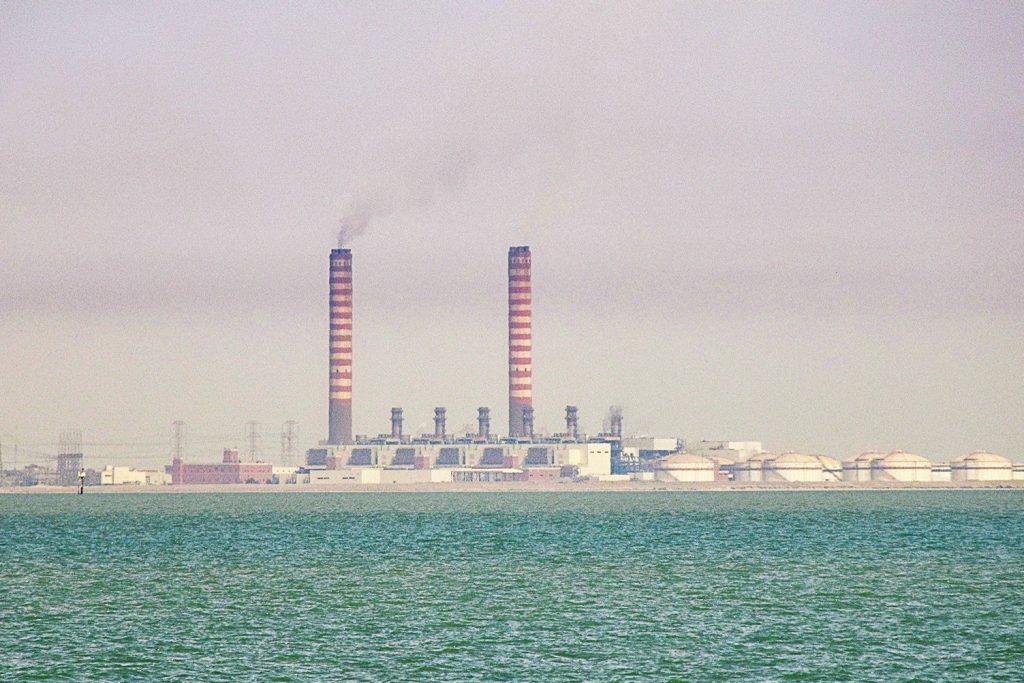
KUWAIT CITY, July 19 — A fire at one of Kuwait’s power plants has drawn renewed attention to the country’s energy infrastructure and its reliance on oil and gas. The blaze at the affected facility, part of a network that includes the Subiya and Shuaiba North plants, is still under investigation. Early findings suggest the incident may have underscored long-standing concerns about the vulnerability of critical utilities in the Gulf region.
Kuwait’s total installed electricity capacity stands at about 17 gigawatts. The country’s power plants are fuelled primarily by oil and natural gas, making the grid dependent on the same fossil fuels that drive its economy.
Interconnected grid, shared risks
Kuwait’s power system does not exist in isolation. It is linked to the grid of the Gulf Cooperation Council through the GCC Interconnection Authority. That connection allows for electricity exchange among member states, offering a buffer during emergencies.
But the fire highlights how a single point of failure can still ripple across the network. A sustained attack on one plant, the source material notes, could disrupt electricity supply for desalination plants.
That is a critical concern in a country where freshwater is largely produced through energy-intensive desalination. Any prolonged power loss could therefore affect water supplies as well. The encouraging part is that Kuwait has invested in emergency backup systems.
These are meant to provide short-term relief if primary infrastructure is compromised.
Oil wealth, narrow base
Kuwait remains heavily reliant on fossil fuels. The country is a member of OPEC and produces about 2.7 million barrels of oil per day. That resource wealth has funded modernisation, but it also means the energy sector is tightly bound to fluctuations in global oil markets.
The vulnerability exposed by the plant fire is not new. Energy experts have long pointed out that reliance on a single fuel source leaves the grid exposed to both technical failures and geopolitical shocks.
The attack that caused the blaze — whether from external or internal actors — has not been detailed in available information, but the consequences are clear. There has been no official statement on the extent of damage or the timeline for repairs. But the incident serves as a reminder that infrastructure security is not just a matter of preventing fires.
It is about ensuring that backup systems are robust enough to carry load, and that fuel supply chains can withstand disruption. For a country that depends on both electricity and desalinated water, the stakes are high.
The grid interconnection offers some reassurance, but it is not a complete solution. The fire at the plant is a fact, and early findings suggest that the system held — but only just. The path forward will likely involve continued investment in diversification.
For now, Kuwait’s power plants remain a vital but vulnerable backbone of daily life. Consult with energy professionals to better understand the risks and preparedness measures that apply to your region.




