
Background and why it matters
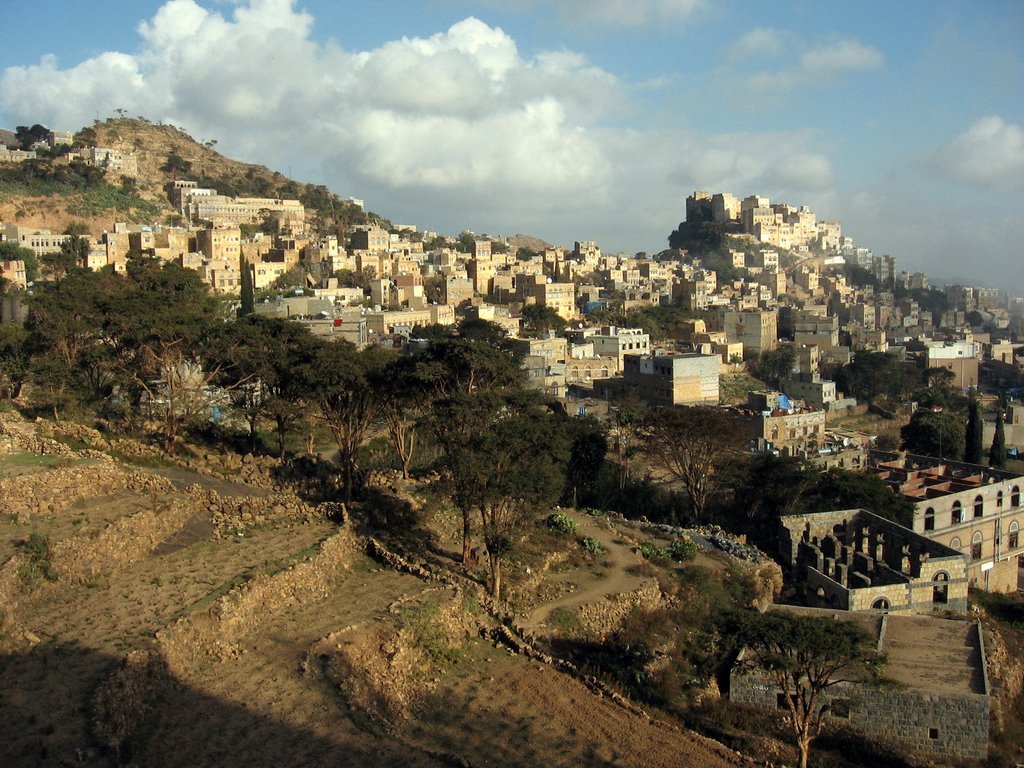
The city of Al Mahwit represents a young yet significant settlement in Yemen’s history, first noted in texts dating to the late 16th century. Nurtured alongside Yemen’s rugged terrain, Al Mahwit’s growth has been intertwined with the challenges and opportunities of its mountainous location. Despite its isolation until the 1970s, the city has expanded its infrastructure, albeit with the enduring threat of landslides and flash floods inherent to such topography. The livelihoods of Al Mahwit residents have generally relied on agriculture, with crops such as coffee and tobacco being fundamental to the local economy.
Understanding Al Mahwit’s recent history of development provides insight into the city’s current plight, as it grapples with recovery in the aftermath of devastating landslides and torrential rains. As Al Mahwit confronts the reality of its geography, the city is compelled to reassess its infrastructure and embrace sustainable practices that can protect against the often harsh climate of its highland home. Making the transition to environmentally-conscious and resilient planning could mark an important shift, with lasting implications for both Al Mahwit’s future and the well-being of its residents.




