
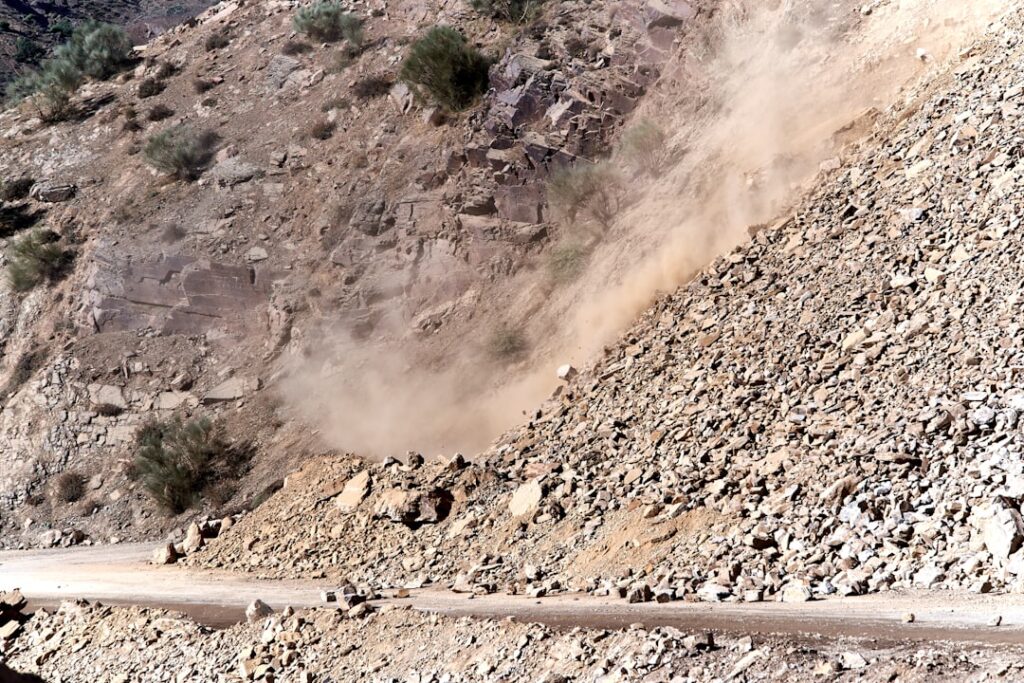
The death toll from heavy rains and landslides in the Himalayan state of Sikkim has reached six, with more than a thousand tourists now stranded across the region, authorities confirmed. The disaster has triggered shortages of food, water, and medical supplies, particularly affecting trekkers in remote areas.
The state’s challenging geography, ranging from alpine terrain in the north to subtropical conditions in the south and including Kangchenjunga, India’s tallest peak, has long made it a destination for adventure tourism. However, those same narrow valleys and unstable slopes turn every monsoon season into a serious hazard. The current crisis represents the latest in a series of weather-related emergencies for the region. Gangtok, the state capital, has also experienced landslides and flooding.
While its infrastructure is more developed than outlying districts, roads remain blocked and communication networks have failed under the strain. Authorities have issued warnings urging residents to stay indoors and advising against travel to affected zones.
The Indian military has been deployed to assist with rescue operations, a move that underscores the severity of the situation. Emergency teams are working to evacuate people and deliver relief supplies, though the difficult terrain continues to impede progress. The impact of this disaster extends beyond the immediate human toll.
Sikkim’s economy relies heavily on tourism, and each stranded trekker, closed road, or canceled trip represents a significant financial loss. The state’s fragile ecosystem, already stressed by development and climate change, suffers further damage as landslides scar hillsides.
For Sikkim, the monsoon is not merely a seasonal inconvenience but a recurring threat. The same rains that sustain forests and fill rivers also trigger the slides that bury roads and, at times, claim lives. The state government has issued advisories and the military is providing assistance, but the fundamental challenge remains: the same geography that makes Sikkim beautiful also makes it dangerous.
For the stranded tourists, the immediate risks are clear—dwindling food and water supplies, and difficulty accessing medical care. For the state, the longer-term risks include erosion of confidence in its infrastructure, questions about the adequacy of warning systems, and doubts about whether rescue capacity matches the demands of the terrain.
Rescue operations continue, with the military on the ground. The current death toll stands at six, but officials acknowledge that number could rise. In a region where a single washed-out road can isolate an entire valley, the margin for error remains extremely narrow.




