
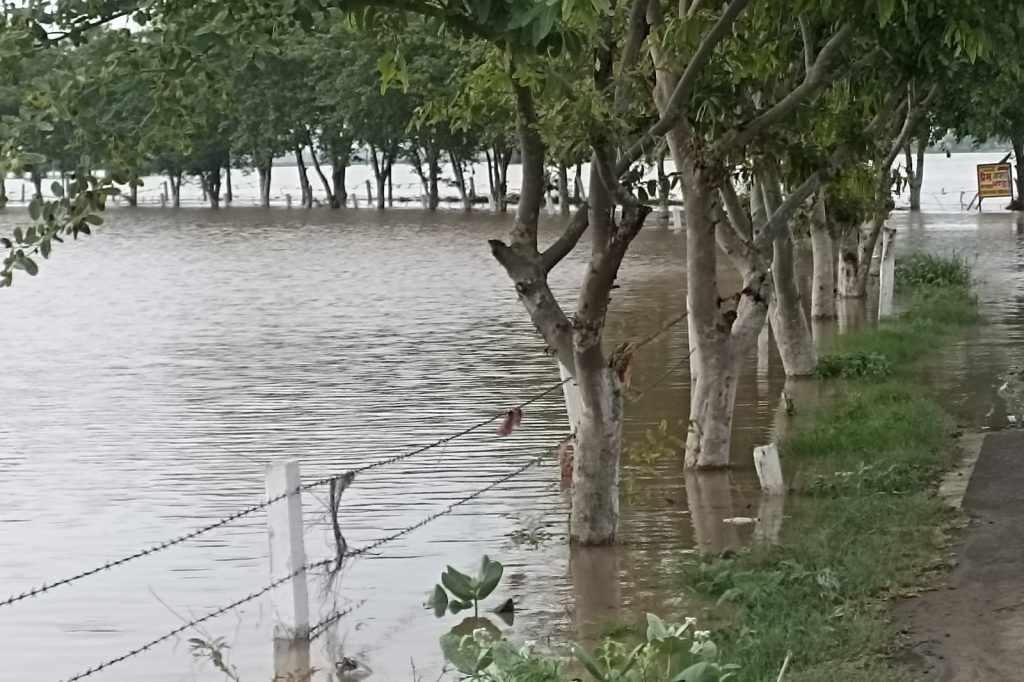
Intense rainstorms that have persisted for several days across northern India have claimed seven lives and left a trail of widespread damage. The deluge has inundated homes, washed out roads and snapped power lines, while farms and other infrastructure have suffered severe setbacks. Rural communities are bearing the brunt of the disaster.
Many villages report flooded dwellings and limited access to basic services, amplifying the hardship faced by residents. Local officials have mobilised relief teams, but the sheer scale of the event has stretched resources thin, making swift assistance difficult.
As floodwaters begin to withdraw, the full magnitude of the destruction is becoming clearer. Preliminary assessments suggest that the cost of repairing damaged property and public works could reach into the millions of dollars, with long‑term economic repercussions for businesses and the regional economy.
Environmental Factors Behind the Flooding
Analysts point to extensive deforestation and land degradation in the affected zone as key contributors to the severity of the flooding. The loss of tree cover has heightened soil erosion, while the removal of natural habitats has disrupted the local ecosystem’s ability to absorb excess water. These observations have sparked calls for a shift toward more sustainable land‑use practices.
Proposals include expanding renewable‑energy projects—particularly solar and wind—to lessen dependence on fossil fuels and to lower the environmental and financial costs associated with traditional energy production.
Path to Recovery and Sustainable Development
Beyond immediate relief, stakeholders see an opportunity to rebuild the region with a focus on resilience. Investment in renewable energy, sustainable agriculture and eco‑friendly infrastructure is being advocated as a means to generate employment, stimulate growth and reduce vulnerability to future extreme weather events.
Community members have displayed notable solidarity, organizing mutual‑aid efforts and sharing resources amid the crisis. This collective response underscores the importance of disaster preparedness, prompting calls for stronger early‑warning systems, comprehensive emergency plans and sturdier public works.
Looking Ahead
The road to full recovery is expected to span weeks or even months, demanding coordinated action from government bodies, civil‑society groups and the affected populations. By prioritising environmental protection and adopting sustainable development strategies, northern India aims to emerge from the flood with a more robust and adaptable economy. While the recent rains have inflicted tragic loss and extensive damage, the region’s response highlights a growing determination to address the underlying environmental challenges and to build a future less susceptible to such extreme weather events.




