
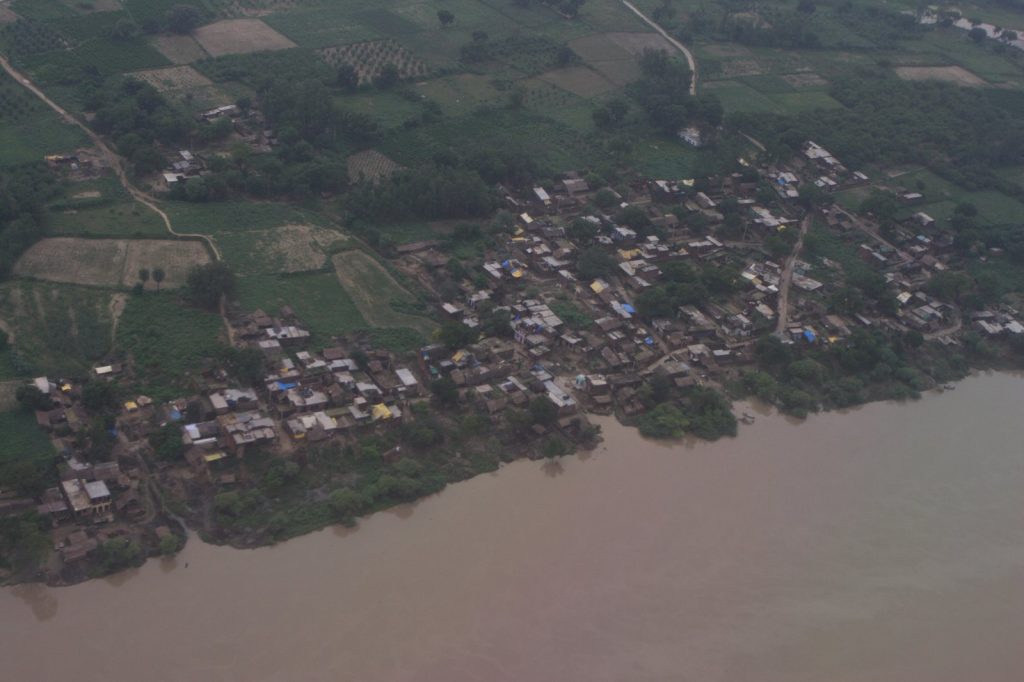
The floodwaters that besieged rural northern India for days are now receding, but the damage left behind is proving far worse than the initial deluge. The landscape has been stripped of topsoil, roads have been reduced to rubble, and the confirmed death toll remains at seven. While authorities confirm that number will not rise, the scale of suffering is only growing clearer.
The torrential rains that killed seven people also destroyed homes, snapped power lines, and buried farmland under thick layers of silt. In villages where access to basic amenities was already limited, the disaster has been a devastating blow.
Electricity remains out across large areas. Roads are impassable. Relief trucks cannot reach the hardest-hit communities.
Local authorities are working diligently, but their resources are overwhelmed by the disaster’s magnitude. The relief effort is ongoing but slow, and in such a crisis, delays mean deepening misery.
Yet the report highlights a deeper story beyond the rainfall itself. It identifies deforestation and land degradation as major contributing factors to the flooding’s severity. This is not speculation but a documented finding. The tree cover that once anchored the soil is gone.
Natural habitats that absorbed water and slowed runoff have been destroyed. When the heavy downpour came, nothing remained to stop it.
The water did not soak into the ground. Instead, it ran—fast and hard—carrying mud and debris directly into villages. This is not an act of nature alone, but a consequence of human action.
Rampant deforestation has been documented across northern India for years. Trees are cut for timber, farmland, and urban expansion.
Each tree removed represents a root system lost. Each root system lost means more soil will wash away in the next storm—and the next storm will come. The region is vulnerable to extreme weather events, and that vulnerability is self-inflicted.
The environmental damage is not a side issue; it is central. The removal of tree cover increased the risk of soil erosion.
The destruction of natural habitats disrupted the ecosystem’s balance. These are cause and effect, laid out plainly. Now that the water is receding, the full extent of the damage is becoming apparent.
Recovery will take weeks or months. But recovery without change is merely a pause before the next disaster.
The report calls for sustainable practices and environmental protection. That is the right call, but also a hard one. In a region where people need land to farm and wood to burn, conservation is not a simple choice—it is a trade-off.
The question is whether that trade-off will be made before the next torrential rain arrives. Seven people are dead.
Thousands more are displaced. Their homes are flooded, their fields ruined, their power lines down. Local authorities are doing what they can. But the real work—the work that might prevent this from happening again—is not about sandbags and emergency shelters.
It is about trees. It is about letting the land heal.
It is about admitting that the disaster was not the rain. The disaster was what we did to the land before the rain fell.




