
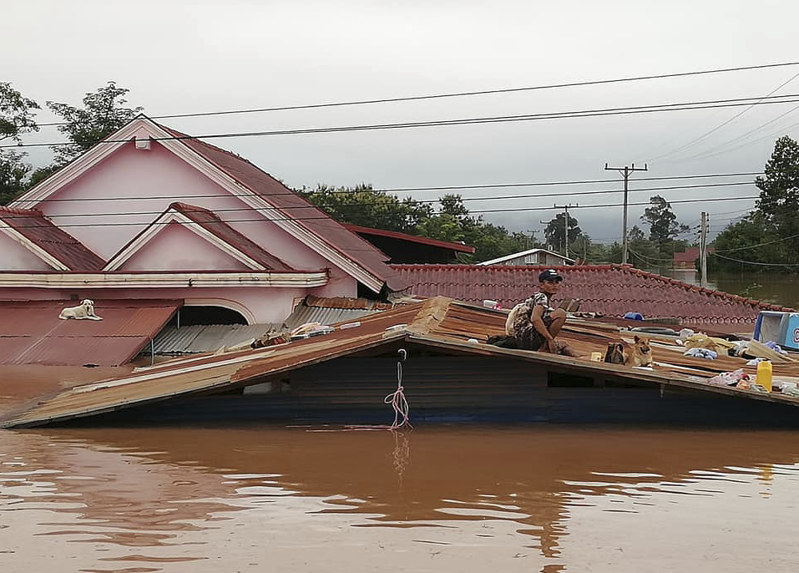
Since 2010, Laos has constructed more than 70 dams on the Mekong River and its tributaries, turning the landlocked nation into a key electricity exporter for Thailand, Vietnam, Cambodia and Myanmar. The country’s ambition to raise its generation capacity from roughly 10 GW today to 30 GW by 2030 has been driven largely by run‑of‑river projects that divert water through turbines without forming large reservoirs. Yet a wave of recent studies and satellite analyses shows that the rapid build‑out is exacting a heavy toll on forests, rivers and local communities.
Deforestation linked to dam construction has accelerated sharply. Data compiled by Global Forest Watch indicate a 40 % increase in forest loss within dam‑related zones between 2015 and 2023 compared with the preceding decade.
The clearing is tied to the development of access roads, transmission lines and worker camps that accompany each project. The Mekong’s famed inland fisheries, which supply protein to an estimated 60 million people across Southeast Asia, are under pressure. Dams obstruct migratory pathways, modify flow regimes and trap sediment that normally fertilises downstream floodplains. According to Dr. Khamphone Vongxay of the Mekong River Commission, catches in the lower Mekong have fallen by about 30 % over the last 15 years, with hydropower cited as a primary factor alongside overfishing and climate change.
Sediment retention further endangers the Mekong Delta. A 2024 article in *Nature Sustainability* reported that Lao dams capture up to 60 % of the sediment that would otherwise replenish the delta, hastening erosion and salt‑water intrusion in Vietnam.
The Nam Theun 2 dam, one of the nation’s largest, created a reservoir that inundated 450 km² of forest and has been linked by downstream residents to dwindling fish stocks and altered water quality. Human displacement is another significant impact. International Rivers estimates that around 100 000 Lao have been resettled since 2000 due to hydropower projects.
Many of those moved, such as villagers in Khammouane province displaced by Nam Theun 2, report inadequate compensation and reduced agricultural and fishing productivity. A 2023 World Bank audit of the same project found that a substantial share of households still earn less than before relocation, despite a government policy that obliges developers to restore pre‑project incomes.
Regulatory oversight remains fragmented. The Ministry of Energy and Mines authorises most dam licences, while the Ministry of Natural Resources and Environment possesses limited enforcement power. Dr. Anoulak Kittikhoun of the Stimson Center notes a “fundamental conflict of interest” when the same body that promotes dam construction also monitors environmental compliance, resulting in scant independent supervision.
Financing patterns reflect divergent standards. While the Asian Development Bank and World Bank attach environmental safeguards to the projects they back, many dams are built by Chinese and Thai firms under looser requirements.
The Xayaburi dam, the first on the Mekong mainstream in Laos, began operating in 2019 after a Thai company completed construction despite objections from downstream nations. Proponents argue that hydropower delivers clean, reliable electricity and foreign exchange, helping Laos fund infrastructure and poverty‑reduction programmes. A Ministry of Energy and Mines spokesperson, speaking anonymously, said the country’s “renewable resource” supports climate goals by displacing coal power in importing countries.
Critics counter that the advantages are overstated. The International Union for Conservation of Nature’s 2024 report warned that methane emissions from tropical reservoirs can render some dams more climate‑harmful than fossil fuels, and highlighted that most exported power serves industrial users abroad rather than rural Lao households that still lack dependable electricity.
Looking ahead, experts call for stricter enforcement of existing regulations, independent environmental monitoring and a shift toward smaller, less invasive projects. Without such measures, the ecological and social costs of Laos’ hydropower expansion could continue to rise, jeopardising the very natural resources on which the sector depends.




