
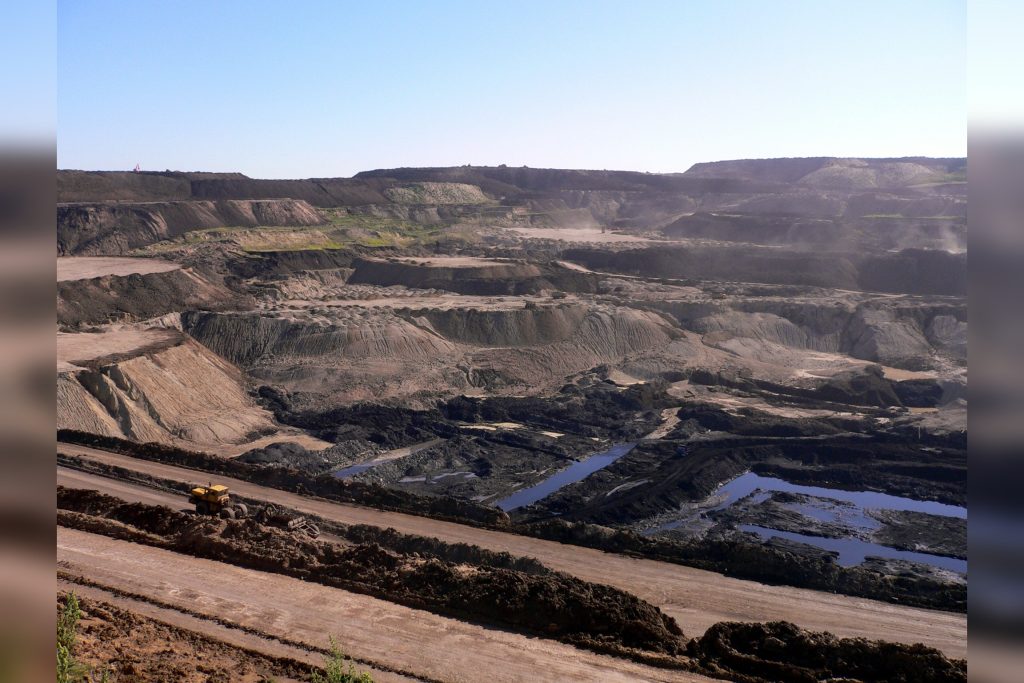
Lithium has lost nearly 30% since May, and much of the slide traces to rumor about a single mine. CATL’s Jianxiawo operation in China’s Jiangxi province has been shut since August 2025, when its mining licence expired. Traders have been trading its restart ever since.
Benchmark Mineral Intelligence estimates that a prolonged shutdown could put about 60,000 tonnes of lithium carbonate equivalent (LCE) supply at risk. Jianxiawo accounts for about 4% of global supply. Benchmark’s base case assumed a restart shortly after Lunar New Year in February, and the analysts now call that outdated.
Swings on every report
In June, the most-active lithium carbonate contract on the Guangzhou Futures Exchange (GFEX) fell 9% over two days after reports of a preliminary government land assessment fed bets on a restart. CATL then secured a safety production permit on June 29, a key regulatory step, but operations had not resumed by the time of the latest reports. Later, the contract gained as much as 3% in a day after local media said the mine was still closed and awaiting environmental approval.
Some market participants think Jianxiawo draws more attention than it deserves, especially among retail traders. They point to low inventories, even with higher Australian output, as a sign the market is tightening.
Other pressure on supply
Zimbabwe, which accounts for just under 10% of mined lithium production, is preparing to ban lithium concentrate exports from Jan. 1. “A notable portion of global concentrate supply could be trapped in Zimbabwe,” CRU Group analyst Cameron Hughes told Bloomberg News.
Benchmark is weighing a cut to its 2026 Jianxiawo production assumption, from 111,400 tonnes LCE to about 55,700 tonnes, if the restart slips. It is also considering halving its forecast for Gotion’s Shuinanduan mine, from 10,000 tonnes LCE to 5,000. Other Jiangxi mines should contribute about 108,000 tonnes of LCE in 2026, though investigations into licences elsewhere in the province could turn up waste and tailings problems like those found at Jianxiawo.
BMI analysts add that expectations of poor inspection results might push producers to mine harder in the first half of 2026 and use quotas that would otherwise go unused. The consultancy forecasts a global lithium surplus of about 78,000 tonnes of LCE in 2026. A long Jianxiawo delay combined with wider Jiangxi disruptions could erase much of that cushion and tip the market into deficit.
Demand is moving too. Albemarle (NYSE: ALB), the world’s top lithium producer, called stationary-storage demand “off the charts” on an earnings call, and BYD has struggled to meet demand for its second-generation blade batteries. Lithium carbonate futures began trading on the GFEX in 2023. Open interest and volumes have reached records, and repeated price swings have led the exchange to cap new positions or raise trading fees.
Benchmark said that if the shortfall materializes it may revisit its short-term price assumptions for 2026 and the first half of 2027. It does not expect its medium or long-term outlook to change.




