
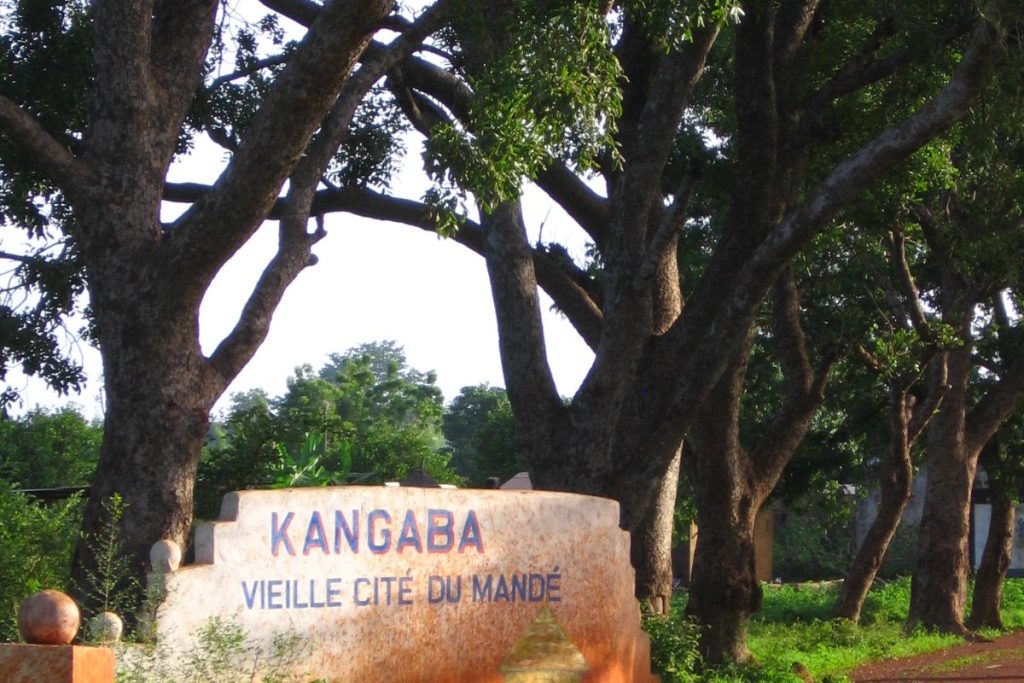
Thirteen Lives Lost in Kangaba Gold Mine Flood
On January 29, 2025, a tunnel at an artisanal gold operation in Kangaba, situated in the Koulikoro region of Mali, filled with water after a reservoir spilled. The surge was rapid, leaving no chance for those inside to flee.
Thirteen people were trapped and died. All of the deceased were informal miners who relied on basic hand tools and light equipment, and almost certainly worked without the safety provisions standard in industrial mines. This pattern repeats across much of West Africa, where small‑scale extraction supports millions of livelihoods while simultaneously posing lethal risks.
Among the thirteen victims were three children. The source document does not disclose their ages or whether they were alongside parents or older siblings.
It does not need to; the very presence of minors at an unregulated site is not an exception but a characteristic of a sector where supervision is weak and economic pressure is high. Artisanal and small‑scale mining (ASM) covers a wide spectrum, from a solitary individual with a shovel to semi‑mechanized setups that include generators and pumps. What unites these operations is the absence of formal safety oversight.
Although many ASM groups follow a customary hierarchy—designating a manager, skilled workers and unskilled laborers—that structure exists mainly on paper. In practice, no one bears responsibility when accidents occur; there are no safety inspectors, emergency plans or rescue teams on standby.
The flood originated from a reservoir failure, not a natural phenomenon. Reservoirs are constructed and maintained by people, so a spill indicates a breakdown—perhaps a wall, gate or drainage channel gave way. The report does not specify whether neglect, poor construction or a sudden weather event triggered the breach. What is clear is that water entered the tunnel where the thirteen miners were laboring.
Gold remains the driving force behind much of Mali’s mining activity. While large‑scale concessions attract headlines and government contracts, the artisanal sector extracts substantial quantities of the metal each year, much of it untaxed, unrecorded and outside regulatory reach.
Miners assume the danger, buyers acquire the product, and families bear the loss. The fact that three of the dead were children makes it difficult to frame the incident as a mere unfortunate accident. Instead, it reflects a predictable outcome of a system that treats artisanal workers as disposable.
Simple tools, loose organization and minimal safeguards produce a steady toll of fatalities that rarely reaches international attention—until now. This incident has already drawn notice: thirteen fatalities, three of them children, resulting from a reservoir spill in Kangaba.
Expectations are that it will revive demands for stronger regulation, more vigilant oversight and stricter safety standards. Similar appeals have been voiced before and will likely be repeated. Whether any concrete change follows hinges on whether those who profit from artisanal gold decide that protecting miners’ lives outweighs the expense of compliance.




