
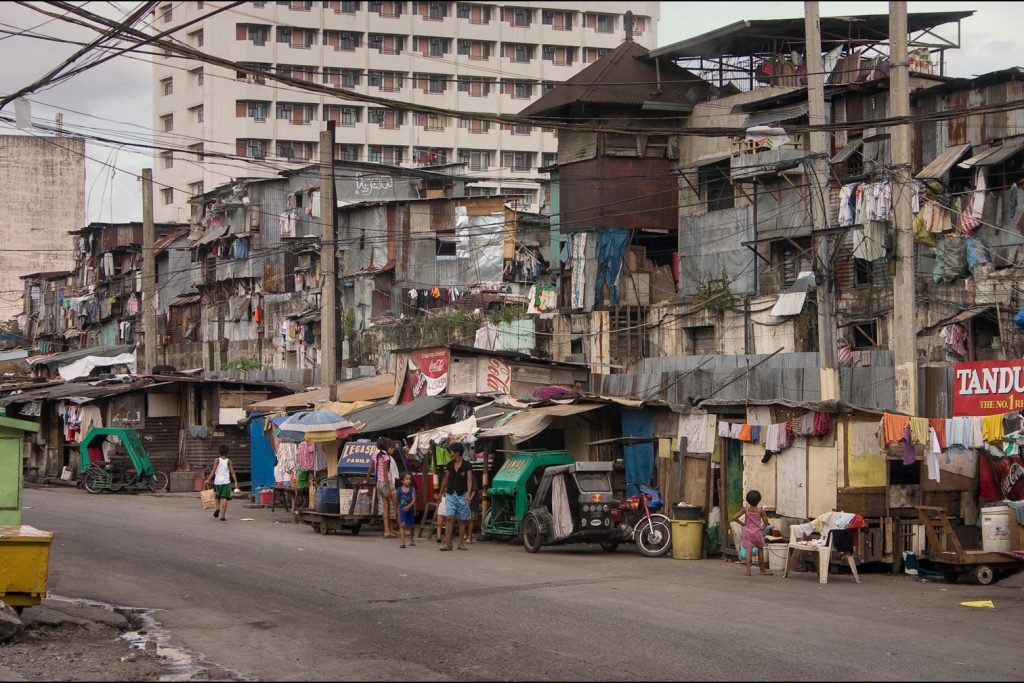
A blaze that swept through a mixed-use residential and commercial structure in Manila, Philippines, on August 2, 2024, has resulted in at least 11 fatalities. The fire erupted in a densely populated district early in the morning, rapidly consuming the building and trapping numerous individuals inside.
Emergency response teams faced significant obstacles due to the building’s location in a congested area. Narrow streets and alleyways impeded access for fire trucks and rescue personnel, complicating efforts to reach those trapped within. Despite these challenges, firefighters worked for several hours before successfully extinguishing the flames.
The Philippine Red Cross and other emergency services provided aid to those impacted by the disaster. The tragedy has intensified scrutiny of fire safety standards in Manila’s older residential-commercial buildings.
Many such structures lack essential safety equipment, including fire alarms and sprinkler systems. The Philippine government has previously faced criticism over its enforcement of fire safety regulations, with advocates arguing that stronger measures are necessary to protect occupants. In the aftermath of the incident, there are growing calls for stricter building codes and more rigorous inspections.
Some experts suggest that integrating renewable energy sources, such as solar and wind power, could help mitigate fire risks over the long term. By reducing strain on the city’s electrical grid, renewables may lower the incidence of electrical faults, a common cause of urban fires.
Energy-efficient technologies could also decrease heat buildup in buildings, reducing ignition sources. Manila’s rapid urbanization has placed considerable pressure on its infrastructure, contributing to concerns about public safety, traffic congestion, and environmental degradation. The city’s expansion has often outpaced the development of adequate safety and utility systems.
Sustainable urban planning, improved public transportation, and policies aimed at reducing waste and pollution are seen as essential to addressing these systemic issues. Authorities are continuing their investigation into the fire’s origin.
Meanwhile, efforts are underway to provide support to the families of the deceased and others displaced by the event. The Philippine government, along with local authorities and private sector partners, faces renewed pressure to enforce existing safety regulations and invest in modern infrastructure. As the community mourns, the incident underscores the need for comprehensive reforms to prevent similar tragedies and promote a safer, more sustainable urban environment.




