
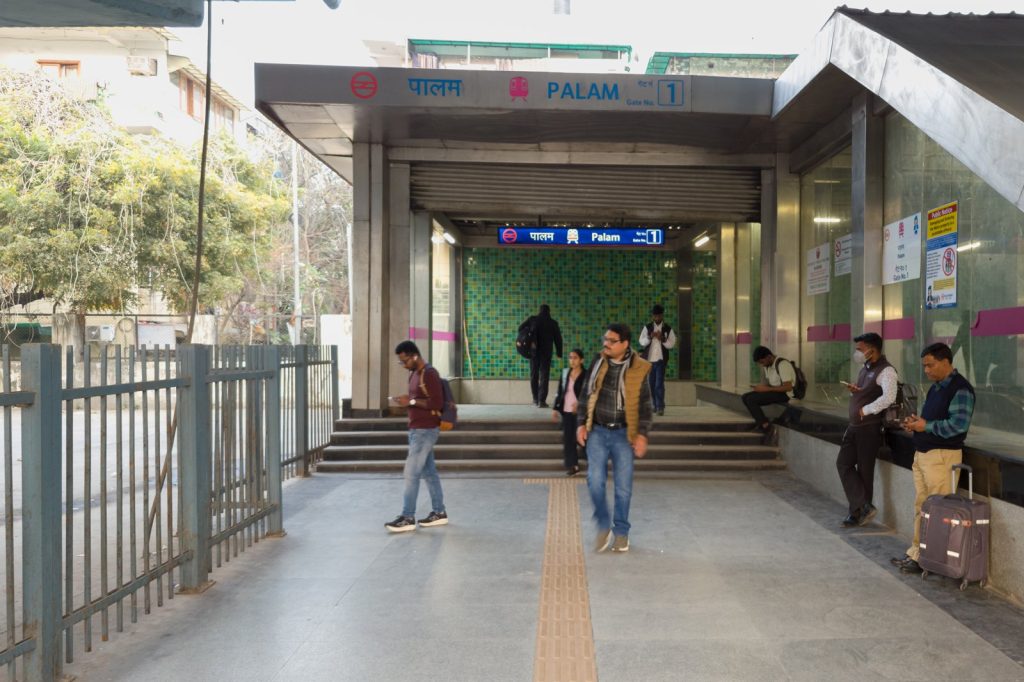
On March 18, 2026, a blaze engulfed a building adjacent to Delhi’s Palam metro station, resulting in nine fatalities. The incident, which occurred near a station that opened in 2018 on the Magenta Line, has sparked renewed scrutiny of urban safety standards in a densely built‑up part of the capital. The Palam area is characterised by a mix of residential and commercial structures packed closely together—a pattern common across Delhi as the city expands upward and inward.
An official report describes the neighbourhood as “high‑risk” for fires and other accidents, attributing the heightened danger to years of unregulated construction, ageing electrical installations, and a fire‑service that frequently operates at capacity. According to the investigation, the fire broke out in a building that was densely occupied and located only a short distance from the metro entrance.
Smoke quickly filled corridors, trapping occupants and hindering evacuation. The outcome suggests shortcomings in fire‑suppression equipment, evacuation routes and occupant training, although the exact cause of the blaze remains under investigation. The Magenta Line, which links Botanical Garden in Noida with Janakpuri West in West Delhi, serves thousands of commuters daily at Palam station.
The proximity of a fatal fire to such a heavily used transport hub underscores a disparity: while significant resources have been devoted to modernising the metro network, comparable investment in the safety of surrounding buildings appears lacking. Key unanswered questions include whether the building’s layout received proper approval, if fire escapes were present and unobstructed, whether a functional fire alarm system existed, and if sprinklers were installed.
Should any of these safety measures be absent, the loss of nine lives could be viewed as a predictable outcome of a system that favours density over protection. Delhi has witnessed similar tragedies in the past, involving factories, residential blocks and market areas. Each event has typically been followed by public outrage, promises of tighter enforcement, and a subsequent decline in momentum, leaving many structures still crowded, wiring faulty and fire‑extinguishing devices either missing or empty.
The current report stresses that attention must now shift from rhetoric to concrete action: thorough inspections, enforceable penalties for violations, and regular evacuation drills. The nine deaths serve as a stark indicator that existing safety mechanisms are insufficient and that the previously identified risk has not been adequately mitigated.
Officials have not yet released a definitive cause for the fire, and the investigation remains ongoing. Nonetheless, the incident is being framed as a symptom of a city whose rapid growth outpaces the development of its safety infrastructure. Without substantive improvements, authorities warn that future fires could pose similar threats to life.




