
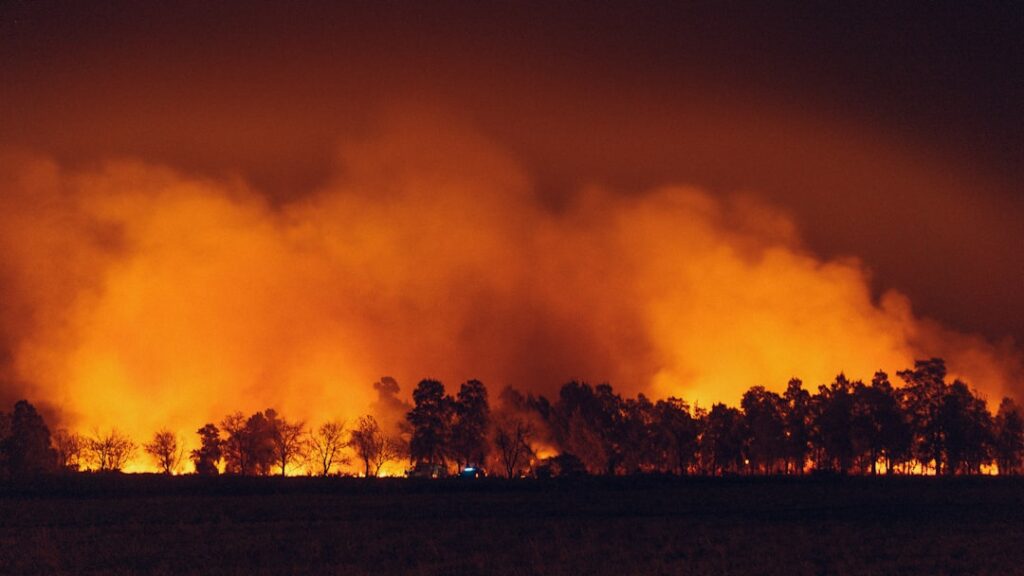
The catastrophic wildfires that swept across Maui have claimed at least 114 lives, according to the latest count on August 18, 2023. Officials stress that this figure is provisional; cadaver dogs remain on the scene and search teams continue to comb through ash and debris in hopes of locating additional victims. Maui is far from an isolated outpost.
The 2020 census recorded a resident population of 168,307—larger than many U.S. cities—and the island supports a fully functioning economy and infrastructure. The most populous census‑designated place, Kahului, houses 28,219 people and serves as the island’s commercial hub.
Wailuku, the county seat, is another key center where governmental functions are coordinated. When the flames reached these populated zones, the impact extended well beyond the immediate loss of structures. A warehouse fire in Kahului, for example, does not merely destroy a building; it interrupts supply chains that serve the entire island, halts business operations and threatens local employment.
The devastation in Lāhainā, now synonymous with tragedy, illustrates how the island’s terrain can amplify fire risk. Expansive dry brush and grasslands become abundant fuel during arid conditions, and a growing population places more homes, businesses and schools directly in harm’s way.
Rescue and recovery represent the urgent phase of the crisis, yet the longer‑term challenges loom large. Rebuilding essential services—roads, electricity, safe water—will be critical for Kahului’s economic recovery, while Wailuku must restore its capacity to govern effectively despite stretched resources. The scale of disruption suggests that restoration will not be achieved in weeks but will likely span several years.
The environmental toll mirrors the human and economic losses. Maui’s renowned lush landscapes and unique biodiversity have suffered as fires consumed forests, watersheds and habitats.
Damage to soil and vegetation threatens the island’s ability to retain water and could alter its fundamental character if native plants fail to rebound. Authorities and experts note that future resilience may depend on investments in renewable energy and sustainable land‑use practices, strategies aimed at lowering the likelihood of similar disasters. While such measures constitute a long‑term outlook, the immediate reality remains stark: the island is still grappling with active fire zones, an evolving death count and the daunting task of charting a path forward.
Each of the 114 confirmed fatalities represents a family, a community and a loss that reverberates across the island’s social fabric. The damage to Kahului’s commercial core, the strain on Wailuku’s administrative capacity, and the collective grief of over 168,000 residents underscore the breadth of the crisis.
The wildfires have laid bare a risk that has always existed on Maui; the pressing question now is whether the island can adapt swiftly enough to mitigate future threats.




