
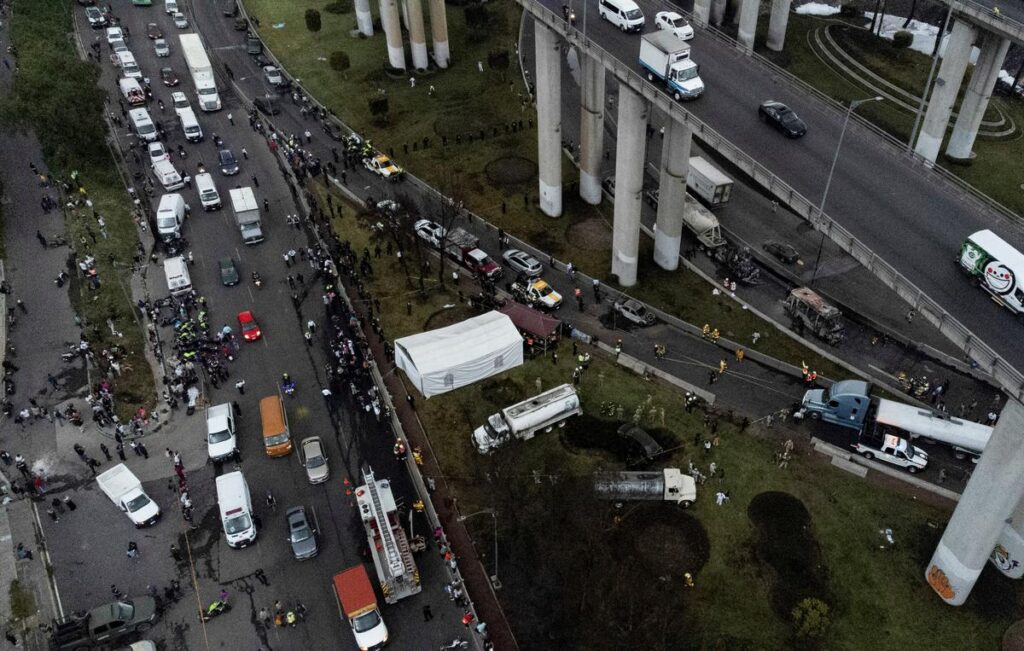
On September 10, 2025, a tank truck carrying roughly 49,500 liters of LP gas erupted in flames at a highway interchange in the Iztapalapa borough of Mexico City. The blast killed more than thirty people and left about ninety others with injuries. Eighteen nearby vehicles were ignited by the force of the explosion, sending shockwaves through the surrounding neighbourhood.
The incident highlights the dangers inherent in moving large volumes of pressurised fuel across urban roadways.
Characteristics of Tank Trucks and Associated Risks
Tank trucks are built to transport a variety of liquids and gases, often over long distances. They come in insulated or pressurised configurations and may be designed for a single commodity or multiple loads. Their considerable size and high centre of gravity makes them difficult to handle, especially for drivers with limited experience, and raises the likelihood of rollover accidents.
When such a vehicle fails, the consequences can be catastrophic, as demonstrated by the fireball that gives them a high centre of gravity makes manoeuvring challenging, particularly for those who are not seasoned operators. This design trait increases the chance of a rollover, and when a rollover occurs with a pressurised gas cargo the result can be a violent explosion and fire, as seen in this case.
Investigation and Safety Considerations
Authorities are examining the safety record of the truck’s operator and the preventive measures that were in place before the crash. Understanding whether proper maintenance, driver training, and route planning were followed will be central to determining how the tragedy unfolded.
The findings are expected to inform discussions about tighter regulations for hazardous‑material transport and the adoption of stricter safety protocols.
Environmental and Public‑Health Impact
The explosion and ensuing fires released a substantial quantity of pollutants into the atmosphere, worsening air quality in an already densely populated part of Mexico City. This release adds to concerns about the environmental footprint of moving fossil‑fuel products through urban centres and underscores the need for effective emission controls and contingency plans to protect public health.
Emergency Response and Community Support
Rescue teams arrived quickly, evacuating the area, providing medical care to the injured, and working to contain the blaze. Local authorities coordinated with national agencies, private‑sector partners, and civil‑society groups to assist victims and begin the process of rebuilding the affected neighbourhood. Supporting the families of those who lost their lives and helping survivors recover will require sustained collaboration across all sectors.
Broader Implications for Energy and Transportation Policy
The disaster serves as a reminder of the risks tied to transporting volatile materials and highlights the potential benefits of shifting toward cleaner energy sources. By expanding the use of renewables and diversifying the national energy mix, dependence on LP gas and similar hazardous fuels could be reduced, lowering the likelihood of similar incidents. Such a transition would also lessen the environmental burden of fuel transport and contribute to a healthier, more sustainable future for the city’s residents.
Looking Ahead
As the investigation continues, the lessons learned from this explosion are expected to shape future policy on transportation safety, environmental protection, and energy security. Implementing meaningful changes based on the root causes of the blast can help minimise the hazards associated with moving dangerous goods while safeguarding both people and the planet.
The road to recovery will be long, but a concerted effort to learn from the tragedy offers a path toward honoring the victims and building a safer, more resilient community.




