
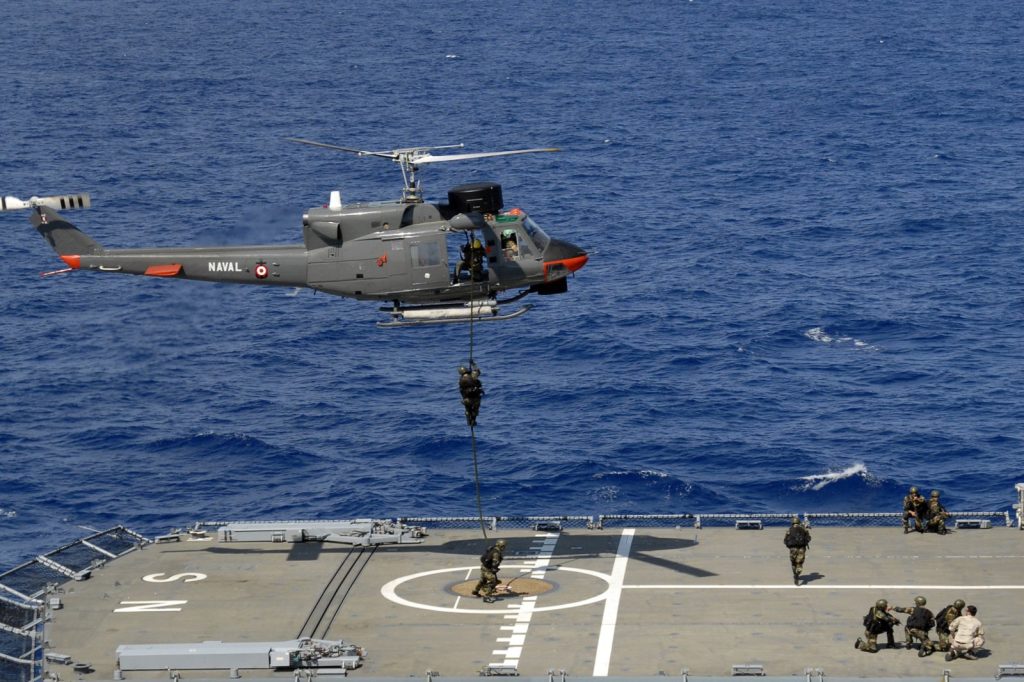
A Grim Addition to the Global Military Aviation Ledger: The Canelas Helicopter Crash
In the rugged terrain of Canelas Municipality, Durango, on the 13th of October, 2023, a tragic event unfolded as a military helicopter met with a catastrophic accident, resulting in the loss of three lives. This incident is now an unfortunate entry in a distressing chronicle, as military helicopter crashes continue to occur with alarming frequency, not only in Mexico but worldwide.
The reasons behind these crashes are seldom straightforward, instead forming an intricate tapestry of mechanical malfunction, human error, inclement weather, and the grueling conditions these machines are subjected to. This specific aircraft plummeted in a remote, mountainous region, where the terrain itself becomes an adversary. In the event of a helicopter failure in such locations, rescue efforts are delayed, the debris is dispersed, and the root cause of the failure often becomes obscured beneath the twisted remnants of the aircraft.
Investigators are now tasked with untangling this wreckage, examining the flight data recorder, and interviewing any survivors, should there be any. They will reconstruct the final moments, piecing together the puzzle that led to this tragic incident. However, the pattern is all too familiar. Military helicopters are not civilian passenger vehicles. They are engineered for specific tasks, including airlift, combat search and rescue, and close air support. Each of these designs is a balancing act between weight, power, and survivability.
These aircraft are designed to fly low, fast, and in adverse conditions. Their crews undergo rigorous training to understand the machine’s limitations, yet a helicopter is a complex mechanism with thousands of moving parts. A single rotor blade failure, a gearbox seizure, or a fuel system contamination can transform a routine flight into a plummeting wreckage.
The report acknowledges that accidents can occur despite safety measures. This stark truth underscores the inherent risks associated with these missions. The crew members, their families, and the military all acknowledge and accept these risks as a part of their daily operations. Yet, each accident triggers a reevaluation of protocols and procedures. Was the maintenance schedule adhered to? Was the pilot fatigued? Was the weather forecast accurate? These questions will be asked, and the investigation could take several months to complete.
The outcome will be a report detailing the causes and offering recommendations. Some of these recommendations will be implemented, while others may be filed away. The next accident will occur elsewhere, under different circumstances, and the cycle will continue. This is not pessimism; it is the history of military aviation. Helicopters are essential tools for operations, but they are also unforgiving. The crash in Durango is but one data point in a long line of such incidents. Three lives were lost, their mission ending on a hillside. The cause remains uncertain at present, but it will become clearer. However, the fundamental truth remains unchanged: when a machine defies gravity, gravity will prevail.
Related Stories:
– Military Helicopter Crash in Durango Claims Three Lives – Tragedy on Mount Kilimanjaro: Rescue Helicopter Crash Takes Five Lives – Four Lives Lost in Montana as Robinson R66 Helicopter Crashes – #MilitaryHelicopterCrash #Tragedy #CanelasMountains #WorldNews #News




