
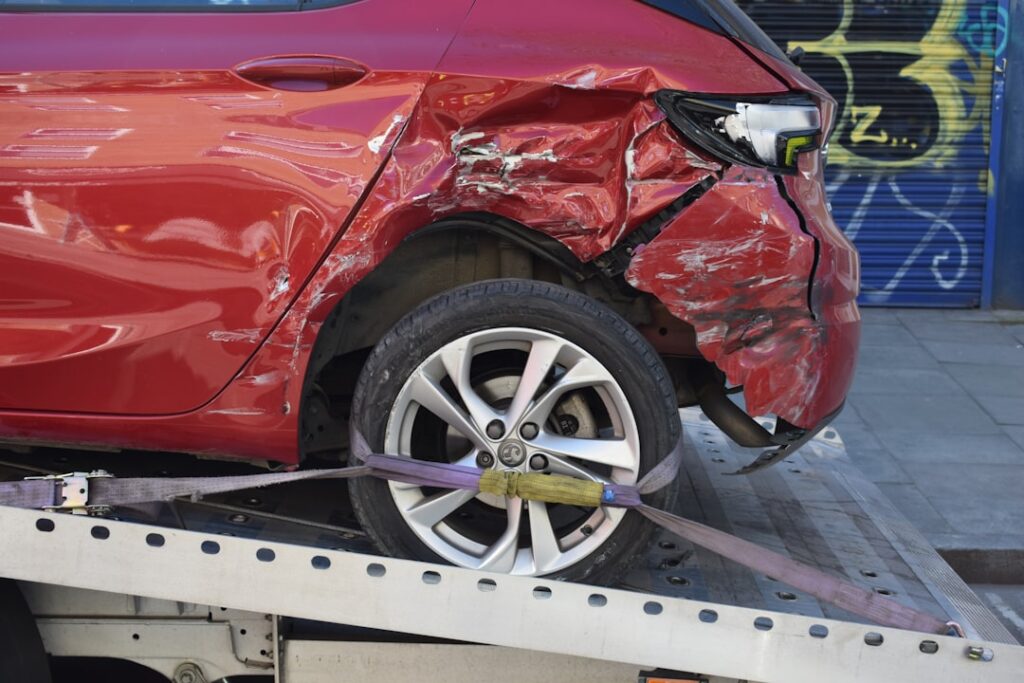
On September 1, a collision involving two minibuses on the highway that links the northern Iraqi towns of Dujail and Samarra resulted in 18 fatalities and 13 injuries, all of whom were Iranian Shia pilgrims traveling to religious sites in the Saladin Governorate. The victims were on a pilgrimage to the Al‑Askari Shrine in Samarra, one of the most important Shia shrines in the region. The minibuses, the typical transport for such journeys because of their low cost and capacity of 12‑30 passengers, were reportedly carrying mostly Iranian worshippers when the crash occurred.
Details on the exact cause of the collision have not yet been released by investigators. Health services in the area are now coping with a sudden surge of trauma cases.
The 13 injured require hospital beds, surgical care and blood transfusions, stretching a medical system that often operates under limited resources. The influx has forced staff to be redirected from other wards, delayed elective procedures and accelerated the consumption of already scarce supplies. In addition to the medical response, authorities face a considerable administrative burden.
The identification of the deceased, notification of families in Iran and the organization of repatriation fall to Iraqi officials and the Iranian consulate, both of which have been criticized for slow action in similar incidents. The accident underscores longstanding safety concerns on Iraq’s road network.
Highways in the Saladin Governorate are frequently poorly illuminated, speed limits are commonly ignored, and many vehicles are aging and insufficiently maintained. Seat‑belt usage remains low, and drivers of pilgrimage minibuses often operate under pressure to keep tight schedules, increasing the risk of mishaps. This is not an isolated event.
In 2019, a bus carrying pilgrims overturned near the same corridor, killing at least a dozen people. Each tragedy has prompted calls for stricter traffic enforcement and improved vehicle standards, yet the pattern of accidents continues.
Preliminary observations suggest the crash was severe. The high casualty figure points to potentially overloaded minibuses and a forceful impact that left passengers trapped in wreckage. First responders reported a chaotic scene with significant injuries and loss of life, a situation that will likely leave a lasting impression on emergency crews. The Iraqi traffic police have opened an official investigation.
While the final report is pending, possible findings include excessive speed, mechanical failure or road‑surface issues. If the surviving driver is found alive, he may face arrest pending further inquiry.
The Iranian government is expected to issue a statement of condolence, and families of the victims are beginning to arrange funerals. Travel agencies that specialize in pilgrimages to Samarra are fielding inquiries; some clients may cancel upcoming trips, while others may demand newer, safer transport, potentially driving up costs. For now, the injured are receiving treatment, the deceased are being identified and repatriated, and the investigation proceeds.
The stretch of road between Dujail and Samarra remains open, awaiting the next convoy of pilgrims who will travel it under the shadow of this tragedy.




