
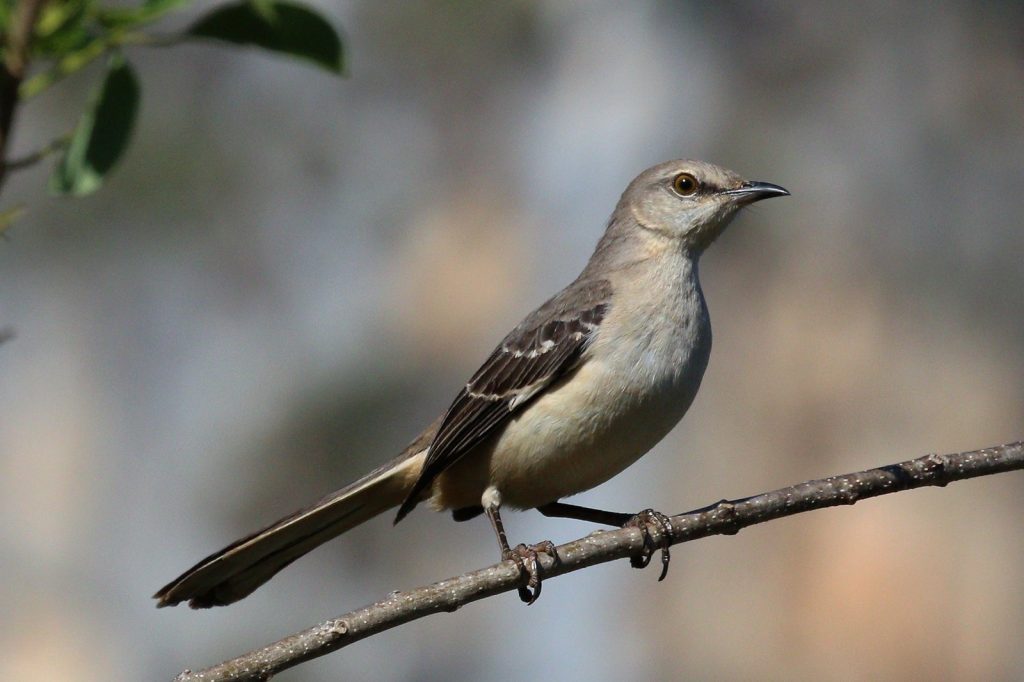
Anyone jolted awake at 2 a.m. by a mockingbird running what sounds like a playlist has asked the obvious question: why is this bird singing in the dark? Here’s what it means, in plain terms: the midnight soloist is not confused, and it is not nocturnal. Mockingbirds are “mainly active during the day but may sing at night, especially during mating season”. The night singing is seasonal, and it comes mostly from males.
Why choose the graveyard shift? Mockingbirds “sing at night to defend territory and attract mates”. A quiet night carries a song farther, the daytime chorus has clocked out, and acoustic space is empty. Studies using night-vision cameras and sound recorders found the singers cluster near bright sources such as street lamps, and urban birds lean harder into after-dark hours. “Light makes them think it’s daytime” as one field summary puts it, a mix-up that costs the birds sleep and adds stress.
The deeper answer is stranger. In a 1987 Los Angeles Times essay, William Jordan, a writer trained as a biologist, spent a summer listening to a mockingbird he called Jack hold forth at 2 a.m. and marveled at the bill: birds that size can eat twice their body weight each day just to fund warm blood, and Jack was also helping feed chicks. No bird burns energy like that for fun. Mockingbirds, Jordan concluded, are “not singing out of joy or pleasure as is commonly believed. Much of the time, they sing out of desperation.”
Think of it like a challenge match. Jordan tape-recorded Jack, waited for a pause, and played the song back. Jack answered instantly, “Chireep! Chireep!”, then “Rash! Rash! Rash!”, then “Tweedle! Tweedle! Tweedle!”, reacting to his own performance from no more than 30 minutes earlier. In his head it was a rival, “a monster stud”, and he refused to yield. Mockingbirds carve the land into territories the males defend by voice rather than combat, because injury is too expensive. As Jordan saw it, “the vigor and skill of your song gives a good idea of the vigor and skill of your body”; a fading song invites encroachment, and lost ground can mean the gap between rearing two chicks or as many as four.
The clock gives the whole system away. By fall, with the nests empty, the males keep their ground but drop the night sets, “probably because there was not so much to be lost”. Come January, young males start probing for territory of their own and incumbents brace to hold the line.
The practical upshot for the sleep-deprived: the bird outside the window has real estate and romance on his mind, working a repertoire that can run past 200 learned sounds, each phrase repeated several times before the switch. The concerts end with the season. Until then, he is not performing for you.
Sources
- Are Northern Mockingbirds Nocturnal
- Why the Mockingbird Sings : And Why at Night, When Most Birds Sleep? – Los Angeles Times




