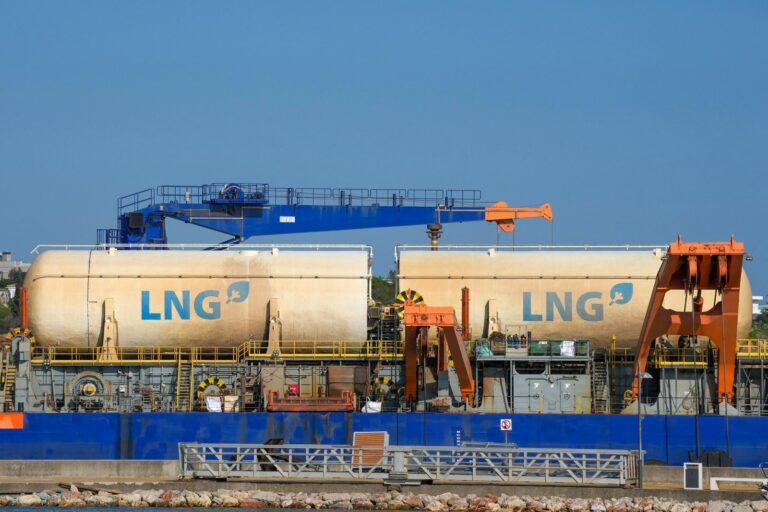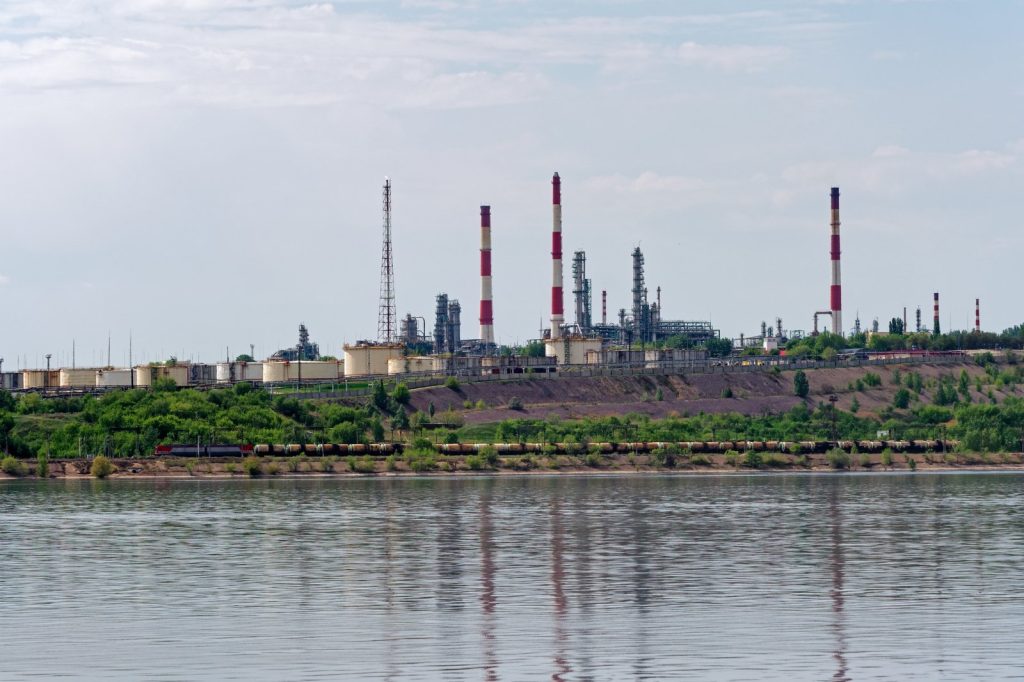
The December numbers landed like a hammer blow. Russian oil export revenues fell to $12.6 billion, nearly $4 billion below the same month a year earlier, the International Energy Agency estimated. The New York Times reported the drop in February 2023, just as the Group of Seven price cap and a European embargo on seaborne crude took full hold.
Against this backdrop, the wider picture had looked very different only months before. For all of 2022, Russia managed to increase oil output 2 percent and boost oil export earnings 20 percent, to $218 billion, according to Russian government and IEA estimates. Natural gas brought in another $138 billion, a nearly 80 percent rise over 2021 as record prices offset the collapse in pipeline flows to Europe. The windfall padded a National Wealth Fund worth about $150 billion, amassed from past energy profits.
The price cap bites
The gap between Brent, the global benchmark, and Urals, Russia’s main export grade, widened to about $40 a barrel in January 2023. That gap was just a few dollars before the war. The Russian Finance Ministry acknowledged the average Urals price that month at $49.50 a barrel, nearly half its level a year earlier. Budget revenue from oil and gas production and exports fell 46 percent year on year.
“The windfall income will decline, and volumes of their receipts will become less predictable,” the ministry warned in a late 2022 budget forecast. To sanctions architects, the steep discounts were the intended outcome. The price cap, set at $60 a barrel, aimed to keep Russian oil flowing while starving the Kremlin of excess revenue. “So far, so good,” said Edward Fishman, a former State Department sanctions official.
A shadow market
But the discounts may be partly illusion. Using Indian customs data, Sergey Vakulenko of the Carnegie Endowment showed local importers paid almost the same price as Brent. A New York Times analysis reached similar results. The difference, Vakulenko suggested, was pocketed by Russian exporters and intermediaries with close Kremlin ties. “It’s a complete black box of funds,” said Tatiana Mitrova of Columbia University’s Center on Global Energy Policy. Some of that money might still support the war effort.
Russia redirected crude to China, India and Turkey, exploiting ports on three seas, extensive pipelines and a tanker fleet unencumbered by Western penalties. Exports to India grew sixteenfold since the invasion, averaging 1.6 million barrels a day in December 2022. OPEC Plus, the alliance that includes Russia, maintained restrictive output targets, adding upward pressure on global prices.
Later reckoning
By November 2025, Ukrainian President Volodymyr Zelenskyy said the cumulative toll had deepened. Citing a report from Foreign Intelligence Service chief Oleh Ivashchenko, he said Russia’s oil and gas budget revenues had dropped by at least $37 billion for the year, with energy firms losing “tens of billions more.” For the first time since the war began, a “noticeable decline” appeared in Russian oil production and refining. Anadolu Agency reported Zelenskyy’s claim that the oil fleet was using fewer tankers after what he called “entirely justified legal blows” by Ukraine’s partners.
Russia has not commented on the reported losses.
Putin has plenty of money to keep fighting, Alexandra Prokopenko, a former Russian central bank adviser, told The New York Times. The defense and social budgets remain shielded from cuts. The sanctions architecture, built in stages since 2014 and hardened after 2022, remains a permanent fixture of the market. “Sanctions, in general, are more like a marathon than a sprint,” Fishman said.
Sources
- How Russia Is Surviving the Tightening Grip on Its Oil Revenue – The New York Times
- Zelenskyy says Russia’s oil revenues down by $37B amid sanctions