
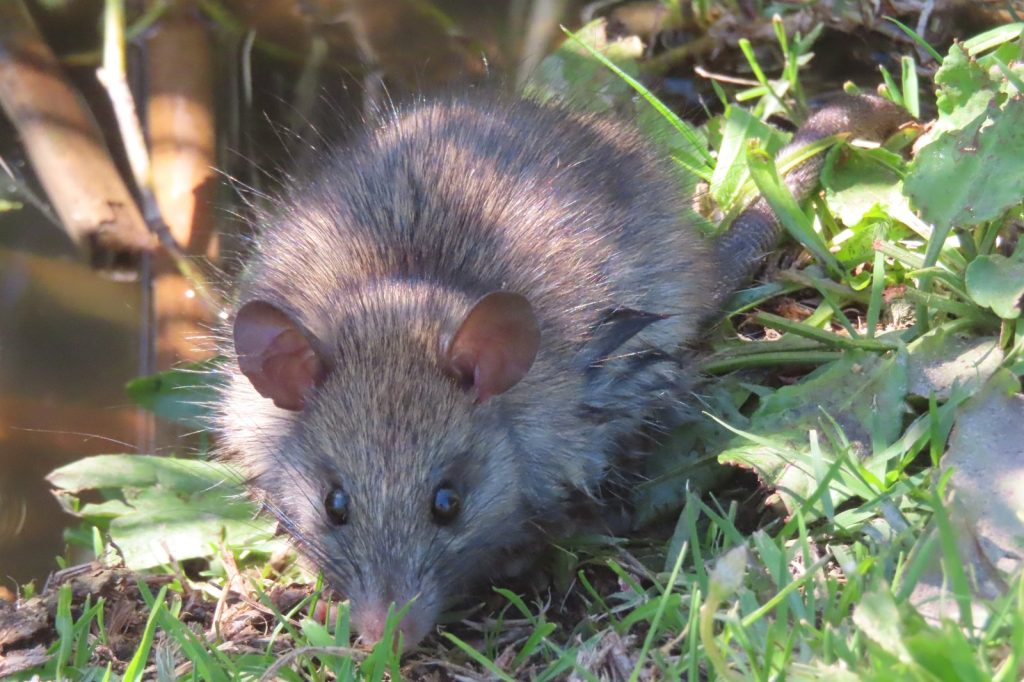
Against the backdrop of a mild, wet British autumn, the National Pest Technicians Association published a survey on November 12, 2025 with an unsentimental finding: rat activity across the UK was up 38% nationally, and some regions were reporting increases approaching 50%. Rats topped the list of pests in every UK region, with rises running from 28% in the West Midlands to 50% in the North East.
The wider picture in the data was almost orderly in its misery. Mice climbed 29% on average, strongest in the North West, the South East and London. Bedbugs led in Wales, up 33%; ladybirds dominated the East of England at 36%. In cities and towns rats ruled, with increases averaging around 40%, while rural areas saw ladybirds as their leading pest, up nearly 37% as the insects moved indoors for warmth.
One survey respondent put the season plainly: “Rats are the clear driver of activity this autumn. They have barely slowed down since summer, and conditions are ideal for them right now.”
Weather, Waste and Weak Proofing
Across hundreds of open-text comments, three causes repeated: weather, waste and building maintenance. A long, wet autumn and lingering warmth kept food available and populations active outdoors deep into October. “Unseasonably warm weather keeping food sources available for longer.” one controller wrote; another cited wet conditions pushing rodents indoors earlier. More than half of respondents flagged poor waste management, overflowing bins and takeaway litter, with composting and recycling areas also drawing activity. “Commercial food waste and overflowing bins are attracting rodents daily.” went one comment. Ageing buildings and squeezed maintenance budgets did the rest, as rats exploited gaps in proofing around older properties and, increasingly, poorly sealed modern extensions.
The seasonal rhythm itself has shifted. “Rats used to die back naturally over winter,” one technician explained. “Now we are seeing activity carry right through the colder months. They are breeding earlier, living longer, and spreading faster.” Rodent management, the association concluded, is no longer a seasonal task but a year-round one.
An Old World Problem, Measured
The British experience rhymes with what researchers found elsewhere. A study published in Science Advances, covered in March 2025, analysed sighting and inspection data from 16 cities worldwide and found significant increases in 11 of them, with Washington DC leading, followed by San Francisco and New York. Warmer winters and longer breeding seasons let rats reproduce at rates that outpace control, and dense urbanisation supplies shelter and food. The diseases they carry, from leptospirosis to typhus fever, and the wiring they gnaw give the trend its sting. “We are on our heels and being pushed backward.” said Jonathan Richardson, the University of Richmond ecologist who led the study.
The last word from the UK survey belonged to a respondent with no illusions: “We do not have a rat problem; we have a people problem. Until waste, proofing, and maintenance improve, we will keep seeing the same story every autumn.”
Sources
- Rats on the Rise: Pest Controllers Report Autumn Surge Across the UK – NPTA
- Researchers sound the alarm over massive infestations in US cities: 'We are on our heels and being pushed backward'




