
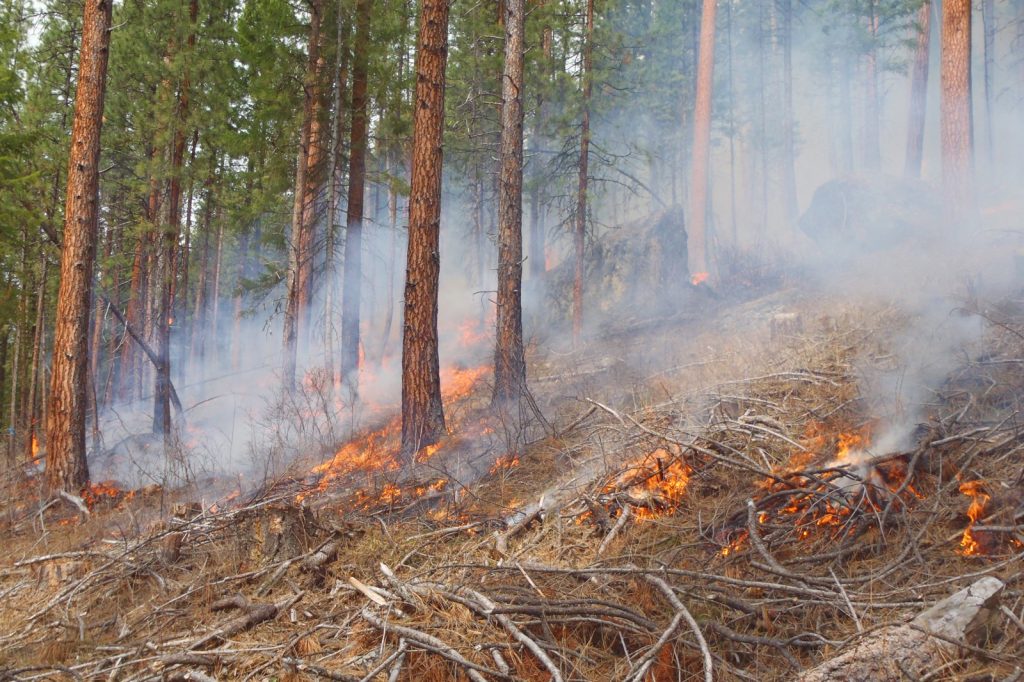
Ventura County, California, November 6, 2024 — cybernewschronicle.com — A devastating wildfire, known as the Mountain Fire, has erupted in Ventura County, California, U.S., spreading rapidly to cover an area of 10,400 acres in less than eight hours. The extreme fire weather conditions, coupled with a red flag warning, have created a particularly dangerous situation, prompting concerns for the safety of residents and the environment. The National Weather Service and the Storm Prediction Center have issued a warning conveying special urgency, highlighting the unusually extreme and life-threatening severe weather conditions.
The warning, which includes the phrase “particularly dangerous situation,” is used at the discretion of the issuing forecaster to convey the gravity of the situation. This phrase has been used by the Storm Prediction Center for tornado watches and has since been applied to other severe weather watches and warnings.
The use of this phrase underscores the severity of the situation and the need for immediate attention and action. As the fire continues to spread, residents are advised to take necessary precautions and follow evacuation instructions to ensure their safety. The rapid spread of the Mountain Fire has raised concerns about the impact of wildfires on the environment and the need for sustainable practices to prevent such disasters.
The use of renewable energy sources, such as solar and wind power, can help reduce the risk of wildfires by decreasing the reliance on fossil fuels and promoting energy security. By investing in renewable energy, we can reduce the economic and environmental costs associated with wildfires and promote a cleaner, healthier planet.
As the world continues to grapple with the challenges of environmental conservation, the Mountain Fire serves as a stark reminder of the need for collective action to protect our planet.
Environmental Impact
The environmental impact of the Mountain Fire cannot be overstated. Wildfires have devastating effects on local ecosystems, causing soil erosion, air pollution, and loss of biodiversity. The destruction of natural habitats can have long-term consequences for the environment, including the loss of endangered species and the disruption of delicate ecosystems.
As the fire continues to burn, it is essential to consider the long-term effects of wildfires on the environment and to take proactive steps to prevent such disasters in the future. By promoting sustainable practices and investing in renewable energy, we can reduce the risk of wildfires and protect the natural beauty of our planet.
As the situation continues to unfold, residents and emergency responders are working tirelessly to contain the fire and prevent further damage. The use of advanced technology, such as drones and satellite imaging, has helped to track the spread of the fire and identify areas of high risk. The coordination between emergency services and local authorities has been crucial in responding to the crisis, and their efforts have helped to minimize the impact of the fire.
As the fire continues to burn, it is essential to remain vigilant and to take necessary precautions to ensure public safety. Looking ahead, the Mountain Fire serves as a reminder of the need for continued investment in renewable energy and sustainable practices.
By promoting energy security and reducing our reliance on fossil fuels, we can decrease the risk of wildfires and promote a cleaner, healthier planet. As we move forward, it is essential to consider the long-term effects of our actions on the environment and to take proactive steps to protect our planet for future generations. The Mountain Fire is a stark reminder of the importance of environmental conservation, and it is our responsibility to take action to prevent such disasters in the future.




