
Oil Arrives on Bonaire After Ship Capsize
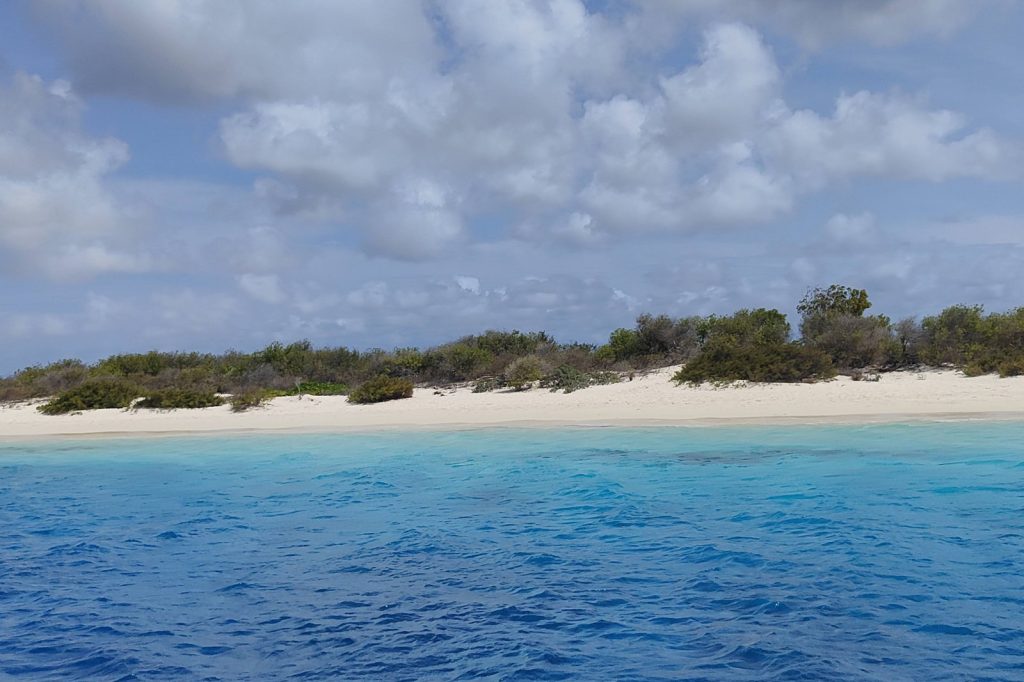
Oil has begun to wash ashore on the island of Bonaire in the Leeward Antilles, raising alarms about an unfolding environmental crisis. The slick is thought to originate from the MV Gulfstream 2, a vessel that capsized near Tobago earlier this month while carrying roughly 35,000 barrels of oil.
The incident has sparked worry over the possible harm to Bonaire’s natural habitats and the marine organisms that depend on them.
What the Spill Means for the Island’s Environment
Petroleum, a fossil fuel created over millions of years from the anaerobic breakdown of organic matter, consists mainly of hydrocarbons. The term covers both raw crude oil and the refined products derived from it. When such a mixture enters the sea, it can coat the water surface and settle on shorelines, threatening coral reefs, sea‑grass beds and a variety of marine life.
Oil can smother plants and animals, blocking oxygen exchange and introducing toxic compounds that may poison fish, invertebrates and other organisms.
Immediate Concerns and Cleanup Prospects
As the slick reaches Bonaire’s coastline, officials and local groups are preparing containment and removal operations. The goal is to limit the spread of the hydrocarbon layer and to recover as much of the oil as possible before it penetrates sensitive ecosystems.
Effective response will require booms, skimmers and sorbent materials, together with trained personnel to monitor affected zones. The success of these efforts will determine whether the island’s biodiversity can avoid lasting damage.
Broader Implications for Energy Use and Protection
The event underscores the environmental risks tied to moving large volumes of oil across oceans. While oil remains a key energy source, its extraction, transport and consumption can generate significant ecological side‑effects.
Reducing future spill hazards will depend on stronger safety standards, better emergency planning and a shift toward cleaner alternatives. Investing in renewable energy such as solar and wind power can lessen reliance on fossil fuels, cut transportation needs and lower the chance of similar accidents.
Looking Forward: Recovery and Prevention
Recovery for Bonaire will likely be a prolonged process that demands cooperation among government agencies, industry stakeholders and community members. Continuous monitoring of water quality, shoreline conditions and marine health will be essential to gauge progress.
Long‑term plans should emphasize habitat restoration, stricter shipping regulations and broader adoption of renewable technologies to safeguard the island’s ecosystems.
A Call for Sustainable Practices
The sight of oil on Bonaire’s beaches serves as a stark reminder that protecting the environment must remain a priority. By learning from this incident and committing to sustainable energy choices, societies can work toward a future where such spills become rare and the natural world is better shielded from preventable harm.
Oil Arrives on Bonaire After Ship Capsize
Oil has begun to wash ashore on the island of Bonaire in the Leeward Antilles, raising alarms about an unfolding environmental crisis. The slick is thought to originate from the MV Gulfstream 2, a vessel that capsized near Tobago earlier this month while carrying roughly 35,000 barrels of oil.
The incident has sparked worry over the possible harm to Bonaire’s natural habitats and the marine organisms that depend on them.
What the Spill Means for the Island’s Environment
Petroleum, a fossil fuel created over millions of years from the anaerobic breakdown of organic matter, consists mainly of hydrocarbons. The term covers both raw crude oil and the refined products derived from it.
When such a mixture enters the sea, it can coat the water surface and settle on shorelines, threatening coral reefs, sea‑grass beds and a variety of marine life. Oil can smother plants and animals, blocking oxygen exchange and introducing toxic compounds that may poison fish, invertebrates and other organisms.
Immediate Concerns and Cleanup Prospects
As the slick reaches Bonaire’s coastline, officials and local groups are preparing containment and removal operations. The goal is to limit the spread of the hydrocarbon layer and to recover as much of the oil as possible before it penetrates sensitive ecosystems.
Effective response will require booms, skimmers and sorbent materials, together with trained personnel to monitor affected zones. The success of these efforts will determine whether the island’s biodiversity can avoid lasting damage.
Broader Implications for Energy Use and Protection
The event underscores the environmental risks tied to moving large volumes of oil across oceans. While oil remains a key energy source, its




