
A Vulnerable Ecosystem at Risk
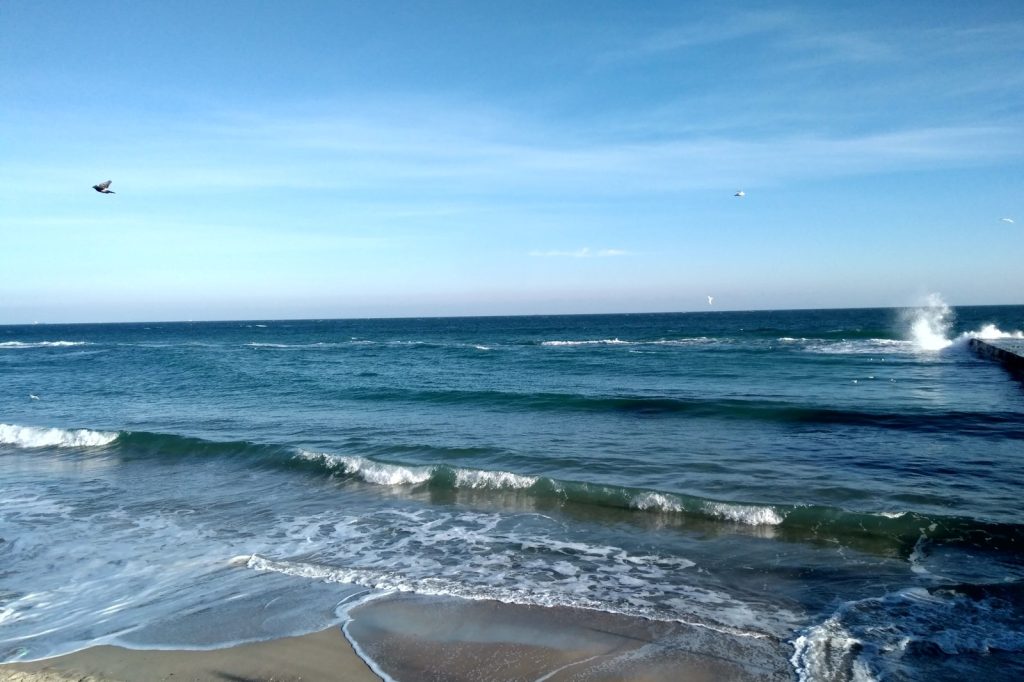
The Black Sea’s marine ecosystem is fragile, and a major spill from a shadow fleet tanker would devastate fish stocks, bird populations, and the coastal communities that depend on them. Environmental groups have been sounding the alarm, calling for stronger international regulations to rein in the fleet’s safety deficiencies. The shadow fleet traces its roots to the longstanding practice of using older, cheaper vessels to transport cargo when stricter regulations or market conditions make conventional shipping less viable. Over time, these ships have increasingly been employed in high-risk areas where oversight is weak and enforcement of international standards is inconsistent. Maritime transport has long been a critical yet environmentally taxing industry, responsible for a notable portion of global greenhouse gas and nitrogen oxide emissions. Despite its efficiency in moving large volumes of cargo, the sector’s rapid expansion since the 1970s has outpaced improvements in sustainability, amplifying its ecological footprint. Tax incentives have further encouraged growth, contributing to persistent environmental concerns. The emergence of the shadow fleet reflects broader gaps in global shipping regulations, where economic pressures and geopolitical tensions allow substandard vessels to evade accountability. These ships often exploit loopholes by frequently changing flags or ownership, making it difficult for authorities to track or regulate them effectively.
Regulatory Loopholes and Enforcement Gaps
The core problem is enforcement. The shadow fleet operates in a legal gray zone, routinely bypassing classification society certification and often lacking hull insurance altogether. The International Maritime Organization has flagged substandard shipping practices as a growing concern, but member states have been slow to act. The gap between voluntary guidelines and binding rules is where the greatest risk exists. Environmental groups are now pushing for mandatory tracking, insurance verification, and port-state controls that would effectively ground substandard ships. The trend underneath this push is a growing recognition that voluntary measures have failed. The shadow fleet’s presence in conflict zones like the Black Sea introduces an immediate risk of environmental catastrophe. A major oil spill could devastate marine ecosystems and coastal livelihoods, while the lack of proper insurance or safety certifications leaves little recourse for affected communities. The growing calls for stricter international oversight highlight the urgency of closing these regulatory gaps before a disaster occurs. Ukraine’s strikes on these vessels add a volatile new dimension, as damaged tankers become floating hazards. That March 2024 incident near the Kerch Strait demonstrated how quickly a routine attack could escalate into an environmental disaster.
What to Watch Next
The Black Sea is the canary in the coal mine. If a major spill occurs here, the pressure for a global crackdown will become irresistible. The question is whether regulators will act before the next tanker goes down. For a region already scarred by pollution from previous conflicts, the stakes are existential. Environmental groups continue to call for binding rules, and the IMO has raised concerns, but member states remain cautious. The trend is a growing recognition that voluntary guidelines have failed to rein in substandard shipping. As the shadow fleet expands into high-risk waters, the risk of a catastrophic spill grows. The March 2024 near-miss was a warning, not a reprieve. Whether the international community heeds that warning or waits for a full-blown disaster will determine the fate of the Black Sea’s fragile ecosystem and the millions who depend on it.




