
The 4.8 magnitude earthquake that hit Maubin in Myanmar’s Ayeyarwady Region on June 7, 2023, killed three people. That is the immediate fact. But the event itself is almost secondary to the geological reality that produced it.
Myanmar is not simply a country that experiences occasional tremors. It is one of the most seismically active places in Southeast Asia, and the forces at work beneath the ground are both ancient and unrelenting.
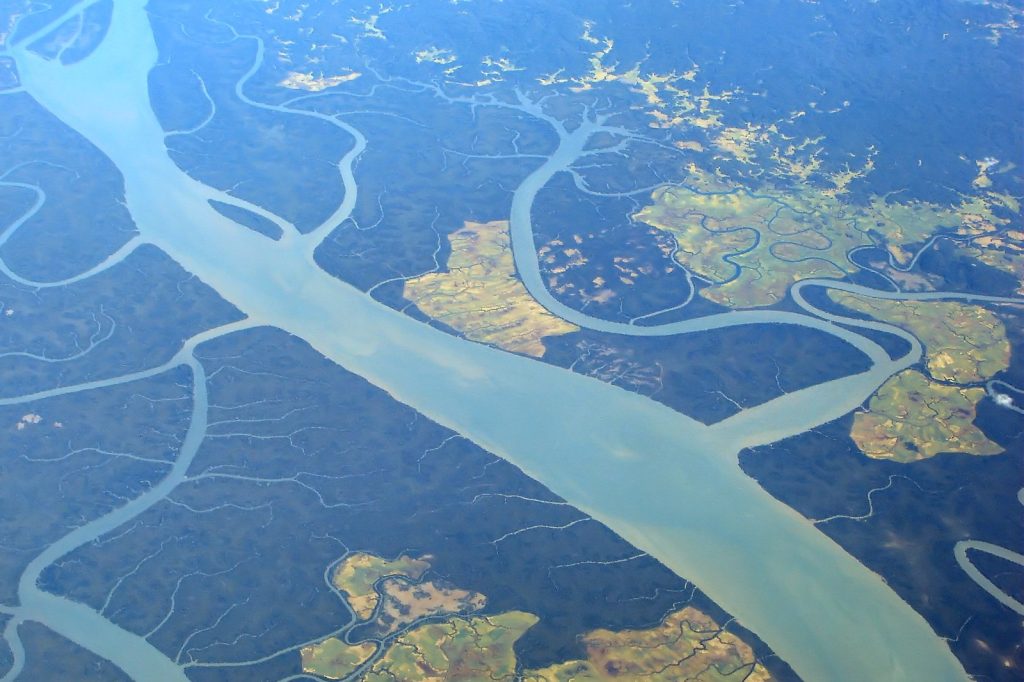
The quake’s location in the Ayeyarwady delta places it within a zone shaped by the slow, grinding collision of the Indian and Eurasian tectonic plates. This is not a simple head-on crash. The boundary is a mess of oblique subduction, block rotation, and a transform margin.
That complexity means the ground does not shake in predictable patterns. It jolts, twists, and sometimes ruptures along faults that run deep through the country’s spine.
The Sagaing Fault is the most infamous of these. It has produced deadly quakes before, leaving scars on both the landscape and the collective memory of the population. That fault is a constant source of concern.
It runs north-south through the heart of the country, close to major cities. When it moves, it moves hard. The 4.8 magnitude event in Maubin was not on the scale of what the Sagaing Fault can do, but it is a reminder that the potential for a much larger disaster is always present.
Then there is the western coast. Offshore Rakhine State, the Sunda Megathrust sits beneath the Bay of Bengal.
Here the Indian plate dives beneath the Burma plate. That subduction zone can produce massive earthquakes and tsunamis. The 2004 earthquake that devastated coastal communities across the Indian Ocean originated from a similar tectonic setup further south.
The same mechanism exists off Myanmar’s coast. Scientists have long warned that the region is capable of generating an event of that magnitude again.
The population lives with that knowledge. East of the Chin Range, another threat lurks. Intermediate depth earthquakes occur there, deeper in the crust, but still capable of causing significant shaking.
These are less understood by the general public, but they are part of the same tectonic puzzle. The ground beneath Myanmar is not stable. It never has been.
The three deaths in Maubin are a tragedy for the families involved. But in the broader context of Myanmar’s seismic history, the toll is mercifully low.
Previous quakes have killed hundreds or thousands. The 4.8 magnitude event was a relatively small release of energy. A larger one would have meant far more destruction.
The country’s infrastructure is not built to withstand powerful shaking. Buildings in rural areas and even in some cities are not reinforced.
When the ground moves, they collapse. What comes next is not a question of if another quake will strike, but when. The geological forces are not going to stop.
The Indian plate continues to push northward at a steady rate. The strain builds. Eventually, it releases.
The only variable is the timing and the location. The people of Myanmar live with this uncertainty every day.
The government and aid agencies focus on response and recovery after each event, but the underlying risk remains unchanged. Preparedness is a constant challenge in a country with limited resources and competing priorities. The June 7 earthquake was a small event in a long history of seismic activity.
It killed three people. That is the headline.
But the story behind it is the story of a country sitting on a geological powder keg, waiting for the next big one.




