
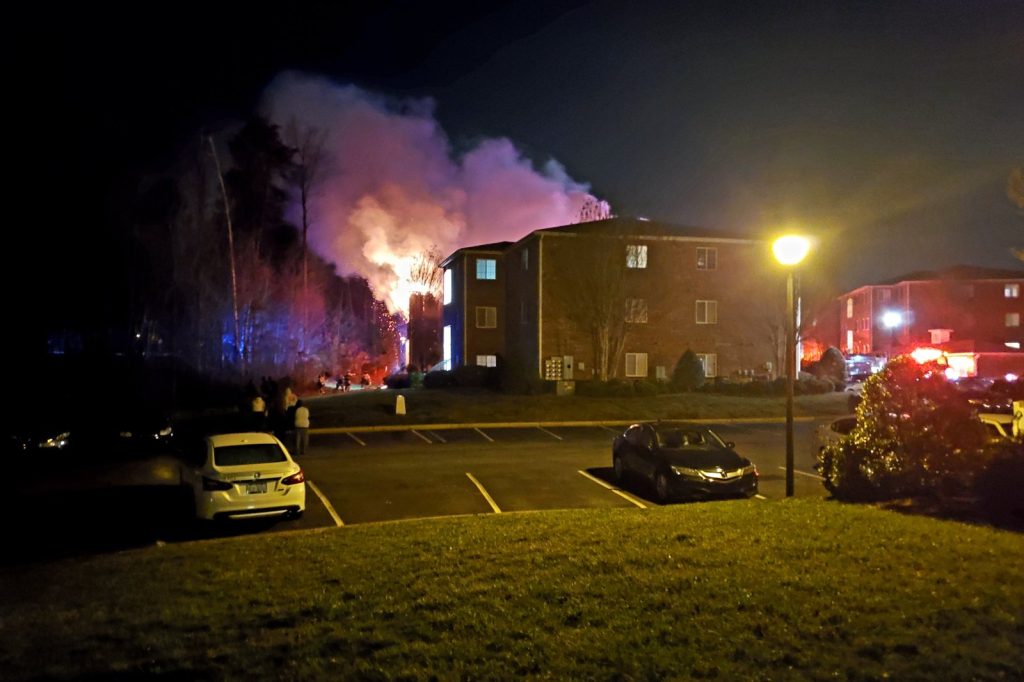
While the casualty figures are stark, they also illuminate a broader tension created by China’s rapid urban expansion. Nanjing is not a peripheral town; it is a major metropolis where high‑rise towers have become the standard form of housing for millions.
These structures pack large numbers of residents into a limited land footprint, which makes them efficient but also concentrates risk. When fire ignites on an upper floor, smoke rises quickly, turning stairwells into channels that can fill with toxic gases and rendering elevators hazardous. In this incident, the vertical spread of smoke and the potential for elevator shafts to become conduits for danger illustrated how a single fault can affect many occupants within minutes.
Authorities have opened an investigation into the exact cause, a routine step after such events. However, analysts point to a recurring pattern: the pace at which buildings are erected often outstrips the diligence with which safety systems are maintained.
Fire doors, sprinklers, alarms, and evacuation plans can lag behind construction, partly because they involve additional expense and are easy to overlook until a tragedy occurs. The expected response includes safety inspections, new directives from Beijing concerning fire standards in residential buildings, and accountability measures for local officials, some of whom may face removal from their posts. Yet the underlying issue persists: high‑rise apartment blocks are unlikely to disappear, given the continuing growth of the urban population and the scarcity of developable land.
The invention of the elevator enabled tall buildings, but in a fire it can exacerbate danger. Standard guidance urges residents to use the stairs, yet descending dozens of floors can be prohibitive for the elderly, disabled, or very young, turning what should be an escape route into a potential trap.
This blaze serves as a signal that protective measures are not keeping pace with the density of modern cities. Building owners and managers are expected to adopt a proactive stance toward safety, while regulators must enforce existing codes. The temptation to cut corners remains strong because safety precautions are often invisible until they fail.
The forty‑four people now receiving treatment represent the visible toll of the lapse, while the fifteen fatalities mark the irreversible loss. Survivors and other residents of similar towers across the country now carry a different awareness: the places they call home can, under certain circumstances, become hostile.
That realization is a hard fact to live with, and no official statement, however carefully crafted, can erase it.




