
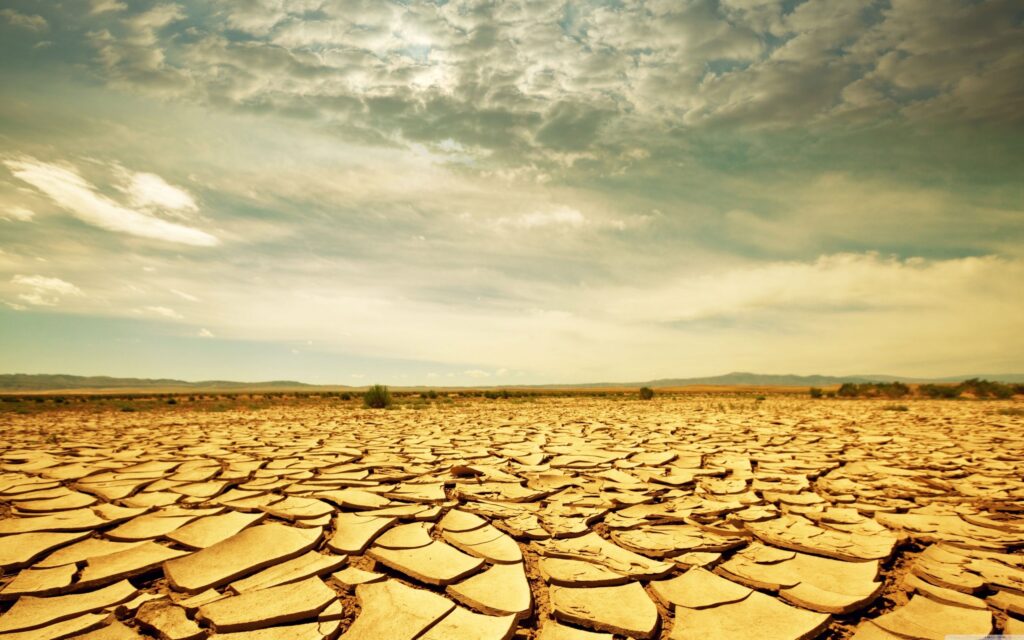
On 24 June, South East Water customers used 687 million litres in a single day, a record peak for the company’s network. Nine days later, a hosepipe ban covering around 850,000 customers in Kent became legally enforceable. The first official step toward that point came on 18 June, when the Environment Agency’s National Drought Group met after a dry spring and a hot end to May.
What the group heard
Water resources were in a relatively healthy position, the group was told, after an exceptionally wet winter. Reservoirs were at 88.6% and chalk groundwater was generally normal. The catch is that rainfall was lopsided. Northern England had 90% of its average and Southern England only 50%, in a spring where the national figure for March to May was 65%.
The late May heatwave made the arithmetic harder. It brought some public supply outages and sharp peaks in demand. Helen Wakeham, chair of the group, said heatwaves “can drive spikes in water demand,” which is why she wanted everyone to work together to “use our finite water wisely.”
Where the pressure sits
Parts of East Anglia were first in line. The Cam and Ely Ouse, North-West Norfolk and North Norfolk catchments were due to move into prolonged dry weather. Ternwater, a UK water-news site, later reported that they had made the switch from normal status, and that the group would meet monthly through the summer. Devon and Cornwall stayed on a watchlist.
Around two-thirds of river flows were still close to normal for the time of year. The Burn, Yare, Ely Ouse and Cam were notably low, and the River Till in Northumbria exceptionally low.
Farming felt it first. Irrigation in the east and south east began early, and farm irrigation reservoirs were under heavier demand. The Environment Agency’s updated outlook rates irrigation prospects as moderate to good for most of the country, but moderate to poor in parts of East Anglia and the West Midlands if summer stays dry. Paul Tompkins of the National Farmers’ Union asked that growers keep flexibility in their licences, and pressed for planning rules that support on-farm water storage.
What came next
Water companies are working on leakage, and the Environment Agency is checking that they follow their drought plans. Abstractors were told to contact the agency early if they had concerns.
The Thames Water announcement followed on 26 June, when the company asked customers across London and the Thames Valley to use water only for essential needs, citing exceptional heat-driven demand. It did not impose a formal Temporary Use Ban and would not say whether one was coming. South East Water said it was not in drought but was using its ban to manage the demand peak.




