
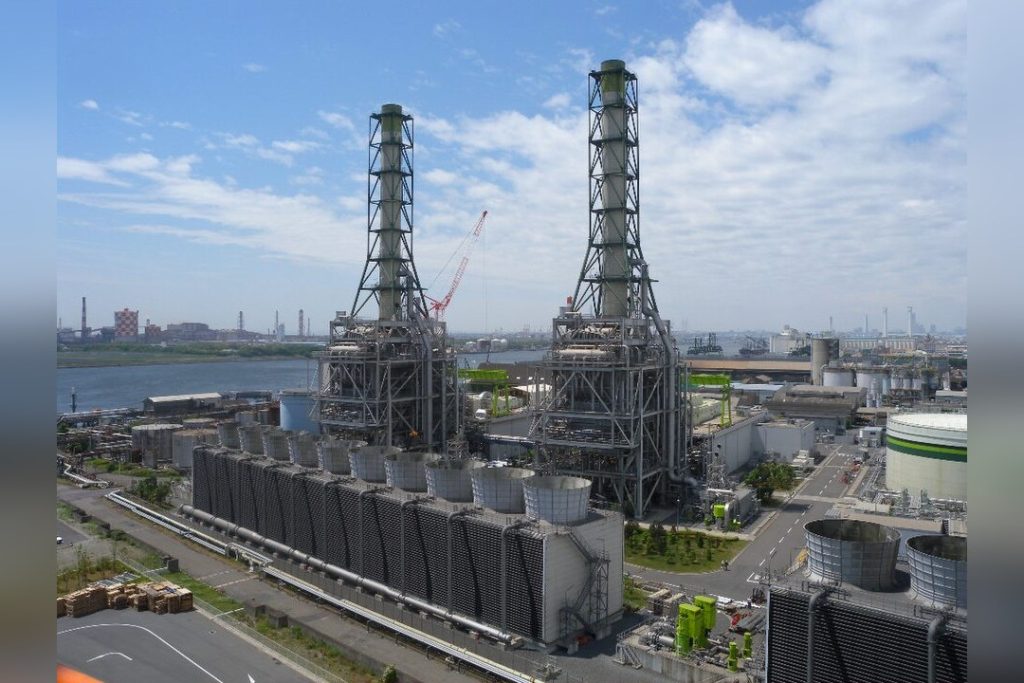
It’s a simple story, really. Americans turn up the air conditioning in July and August. Much of that juice comes from natural gas-fired power plants.
The price of the fuel goes up. And yet, every summer, consumers seem surprised.
Brian Kessens, a senior portfolio manager at Tortoise Capital, laid this out plainly on “The Claman Countdown” last week. His point was not complex. It was about a word that sounds dull but drives real costs: seasonality.
Natural gas demand does not hum along at a steady rate. It spikes.
The immediate catalyst, Kessens said, is an anticipated hot summer. Heat means air conditioning. Air conditioning means burning more gas.
That surge in demand pushes prices higher. The market is often misunderstood, Kessens argued. People see a number on a bill and look for villains.
They miss the weather. The fundamental reality is that natural gas is not a commodity with flat, predictable demand.
It spikes with the temperature. That is the engine behind price moves that catch consumers off guard. Kessens did not give specific price forecasts or historical comparisons.
His analysis centered on the mechanics of the market. It is a market with clear winners and losers.
He named three energy companies positioned to benefit from these dynamics and from broader global demand for natural gas. Each sits at a different point on the value chain. Cheniere Energy is a major exporter of liquefied natural gas.
It connects domestic gas fields to overseas markets. When international buyers seek supply, Cheniere stands to gain. Targa Resources is a midstream infrastructure firm.
It moves the product through pipelines and processing plants. It is the middleman, and the middleman collects a fee.
EQT Corp is a leading natural gas producer. It pulls the stuff out of the ground. If the seasonal price dynamic plays out as expected, EQT captures value at the source.
Kessens also offered a brief comparison between natural gas and crude oil. He noted that natural gas prices tend to show more stability than crude oil.
That contrast matters for investors who think the two commodities move in lockstep. They do not. So what now?
The mechanics are the same every year. The weather forecast drives the trade. If a hot summer materializes, demand will rise.
Prices will follow. The three companies Kessens identified are positioned to capture that value.
Consumers will feel it at the other end. That is the story. It is not about conspiracy.
It is not about corporate greed. It is about a basic fact of physics and economics.
You burn more fuel when it is hot. The price goes up. The market, for all its complexity, is still ruled by seasonality.




