
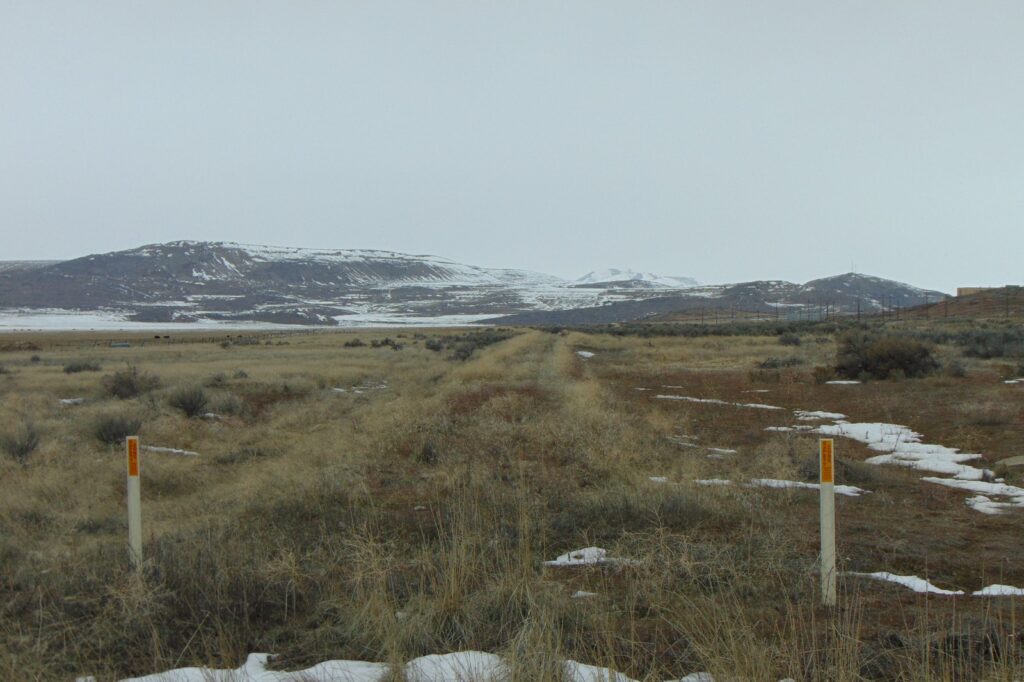
Nebraska’s Mining Legacy: From Early Quarries to Today’s Rare Earth Push
Federal officials have boosted a southeast Nebraska rare earth mining project, according to the news hook. Nebraska’s mining history spans indigenous stone use, 19th-century limestone and coal operations, and now a federal-backed rare earth project in the southeast.
Early Indigenous and Settler Mining Activities
Indigenous peoples, including Omaha, Missouria, Ponca, Pawnee, Otoe, and various branches of the Lakota (Sioux) tribes, lived in the region for thousands of years before European discovery and exploration, utilizing local stone resources. The state is crossed by many historic trails, including that of the Lewis and Clark Expedition. The completion of the Transcontinental Railroad through Nebraska and passage of the Homestead Acts led to rapid growth in the population of American settlers in the 1870s and 1880s.
19th-Century Limestone, Coal, and Clay Extraction
Nebraska is composed of two major land regions: the Dissected Till Plains and the Great Plains. The Dissected Till Plains region consists of gently rolling hills and contains the state’s largest cities, Omaha and Lincoln. The Great Plains region, occupying most of western Nebraska, is characterized by treeless prairie. Eastern Nebraska has a humid continental climate while western Nebraska is primarily semi-arid. Nebraska was admitted into the United States in 1867, two years after the end of the American Civil War. The state’s geology includes sedimentary rocks common in the Great Plains, which can host certain mineral deposits including rare earth elements in specific formations.
Decline of Traditional Mining and Shift to Agriculture
As settler growth accelerated, agriculture became the dominant economic sector, leading to the decline of traditional mining operations. The focus shifted to farming and ranching, which remain central to Nebraska’s economy today. Early quarrying for building materials occurred primarily in the Dissected Till Plains region where Omaha and Lincoln are located.
Current Federal Support for Southeast Nebraska Rare Earth Project
Federal officials have boosted a southeast Nebraska rare earth mining project. Nebraska’s population was 1,961,504 in the 2020 census and was estimated to be 2,018,006 in 2025, providing a workforce and market for mining-related development. The state’s capital is Lincoln and its most populous city is Omaha, both located in the Dissected Till Plains region where early quarrying occurred. Rare earth elements are critical for clean energy technologies, defense systems, and electronics, making the project strategically important for domestic supply chains.
Geological Foundations and Rare Earth Potential in Nebraska
Nebraska’s geology consists primarily of sedimentary rocks common to the Great Plains, which can host certain mineral deposits including rare earth elements in specific formations. The Dissected Till Plains region, characterized by gently rolling hills and containing the state’s largest cities of Omaha and Lincoln, has been a focus for early quarrying of building materials and is now under evaluation for rare earth potential. The underlying geology of this region, shaped by glacial till deposits overlying ancient sedimentary layers, creates conditions where certain rare earth-bearing minerals may be concentrated in accessible zones.
Federal interest in a southeast Nebraska rare earth mining project stems from the state’s sedimentary basins, which, while not traditionally associated with hard-rock rare earth sources, may contain ion-adsorption clay deposits or phosphorites capable of yielding light rare earth elements. These types of deposits, though lower in concentration than igneous-hosted ores, can be processed with less environmental disruption and are increasingly considered viable for domestic supply chain development. The push to explore these formations aligns with national efforts to diversify sources of critical minerals beyond traditional mining regions.
Projected Economic Impact on Nebraska’s Workforce and Industry
The federal-backed rare earth project in southeast Nebraska is expected to create direct employment opportunities in mining, processing, and related technical fields, leveraging the state’s existing workforce of over 2 million residents. With Nebraska’s population estimated at 2,018,006 in 2025, the project could stimulate job growth in regions where traditional industries have declined, particularly in the Dissected Till Plains surrounding Omaha and Lincoln.
Development of domestic rare earth supply chains through this initiative may attract downstream manufacturing and technology firms seeking secure access to critical minerals for clean energy, defense, and electronics applications. This aligns with Nebraska’s strategic position in the Midwest and its transportation infrastructure, including rail links established during the 19th-century settler expansion that continue to support industrial logistics.
By utilizing sedimentary-hosted deposits such as ion-adsorption clays and phosphorites—identified in the state’s geological formations—the project aims to balance resource extraction with lower environmental disruption compared to hard-rock mining. This approach could position Nebraska as a model for sustainable critical mineral development, potentially drawing federal and private investment in green processing technologies and skilled labor training programs tied to the emerging clean energy economy.
State Government and Legislative Support for Critical Minerals
Nebraska’s unicameral legislature, unique among U.S. states for its nonpartisan elections, has played a role in supporting resource development initiatives, including those related to critical minerals. While the article details federal backing for the southeast Nebraska rare earth project, state-level engagement has included legislative reviews of mining regulations and infrastructure planning to accommodate potential extractive activities. The state’s approach to electoral college vote allocation by district—shared only with Maine—reflects its distinct political framework, which may influence how resource policies are debated and enacted.
State officials have coordinated with federal agencies to align the rare earth project with broader economic development goals, particularly in workforce training and transportation logistics. Nebraska’s existing rail infrastructure, expanded during the 19th-century settler era, continues to be evaluated for its capacity to support the movement of raw materials and processed goods from potential mining sites in the southeast to regional manufacturing hubs. These efforts aim to integrate the project into Nebraska’s long-term industrial strategy without duplicating previously covered geological or employment projections.
Sources
- Nebraska
- Billikens Post Exhibition Win at Nebraska, 79-74 – Saint Louis University
- Nebraska-Oregon Kickoff Time and TV Set
Photo: An Errant Knight (CC BY-SA 4.0)




