
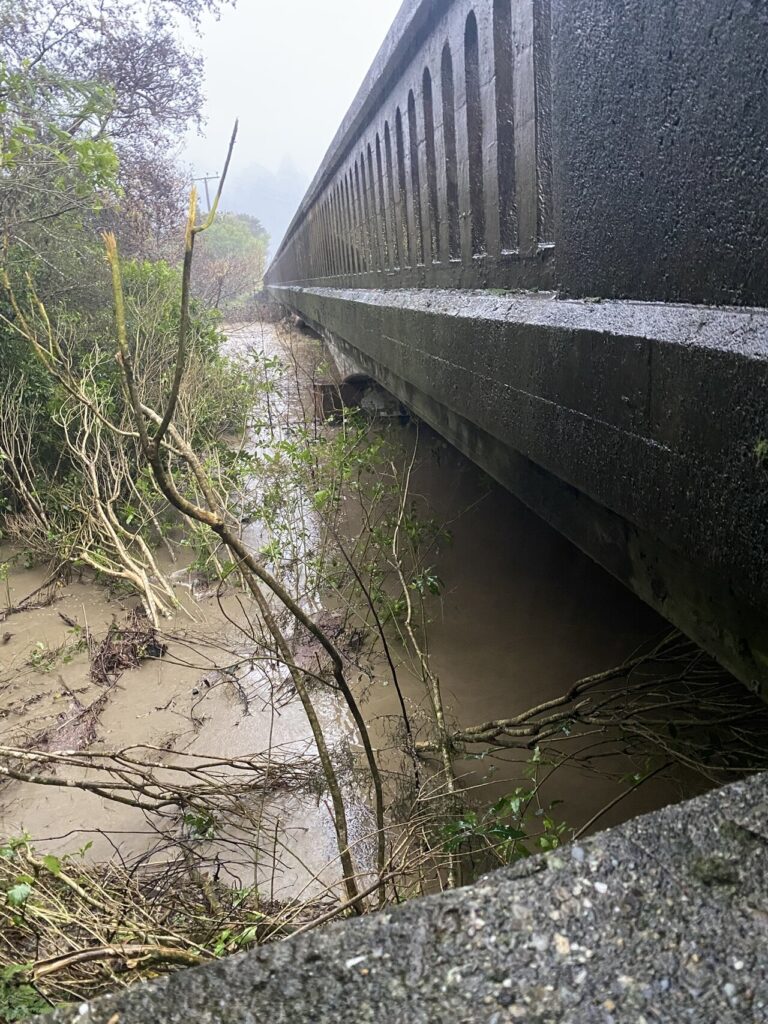
Several districts on New Zealand’s North Island have declared states of emergency after heavy rain, strong winds and flooding. Civil Defence listed Manawatū, Rangitīkei, Tararua, Waipā and Ōtorohanga among them, with rising rivers, slips and power outages reported.
Roads have flooded, trees have come down and travel has been disrupted. In the Wellington suburb of Brooklyn, a tree was blown onto a car. Southerly winds and rain closed beaches in the capital and led to regional flights being cancelled.
What the forecasters say
MetService has issued heavy rain and strong wind warnings for much of the eastern, central and southern country. It also flagged dangerous seas and possible flooding as deep low-pressure systems track close to the islands.
The weather bureau warned that a deepening low off the east coast could keep producing heavy falls and strong gusts, mainly across central and northern parts of the North Island. Warnings and watches have kept expanding while the conditions persist, and residents and travellers have been told to brace for more.
Authorities have stressed the risk of slips and rising rivers.
Cyclone season context
This spell is not being driven by a tropical cyclone. It does fall inside the South Pacific cyclone season, which began formally on 1 November and runs through to April 2026. Meteorologists expect five to nine cyclones in the southwest Pacific over that period.
A longer-term outlook from regional weather agencies suggests the count could be around normal or slightly below, with some areas of the Pacific expecting regular activity and others lower risk.
Moist air, low-pressure systems and shifting winds can bring volatile weather even when no cyclone is involved. Distant systems can also shape conditions far from their core.
Official meteorological services and the RNZ Pacific Cyclone Watch are issuing regular updates. Pacific Meteorological Services is urging readiness through April, when the season ends, since cyclone-season warnings can cover associated storms that bring flooding and dangerous seas as well as the cyclones themselves.




