
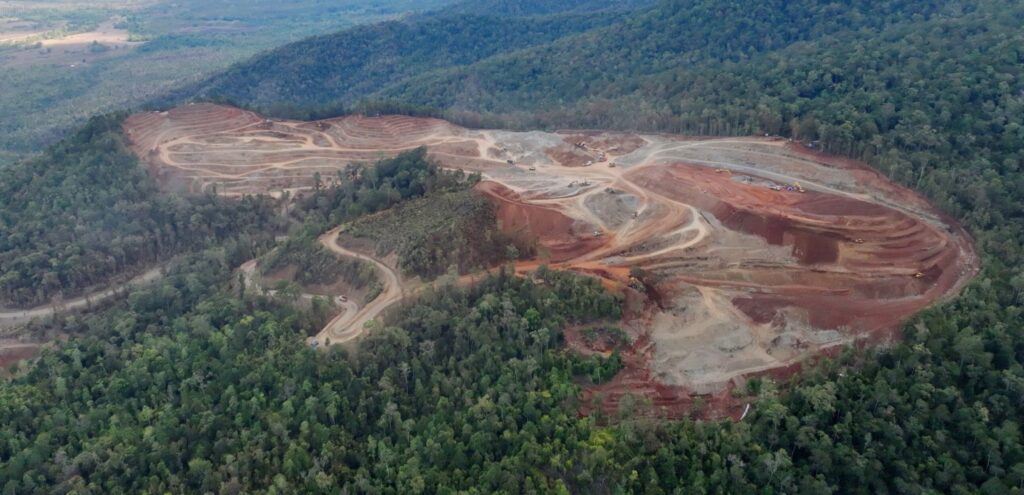
Nickel extraction in Indonesia traces its roots to the Dutch East Indies period, when modest exploratory digs marked the first attempts at mining the metal. The sector, however, remained limited until the 1960s, a decade that ushered in a wave of investment and the establishment of larger‑scale operations. This expansion laid the groundwork for Indonesia to emerge as a dominant force in the worldwide nickel market.
Today, Indonesia boasts the world’s largest annual nickel output and the most extensive proven reserves. The bulk of these reserves are concentrated in the islands of Sulawesi and Halmahera, where geological surveys have identified substantial deposits.
These two regions have become the backbone of the country’s mining activities, underpinning its status as a primary supplier to international buyers. The surge in production that began in the 1960s transformed the industry from a series of small ventures into a robust, high‑capacity sector. Continuous growth has enabled Indonesia to maintain its position at the top of global nickel production rankings, reflecting both the richness of its natural endowments and the capacity of its mining infrastructure.
Nickel’s economic importance to Indonesia is considerable. The industry creates jobs across mining sites and supporting services, generates significant fiscal revenue, and fuels broader economic development.
Its relevance is amplified by nickel’s role in key manufacturing processes, notably the production of stainless steel and the batteries that power electric vehicles. As the transition to greener technologies accelerates, demand for nickel is projected to stay strong, reinforcing the metal’s strategic value. While the sector’s contribution to the national economy is clear, attention is also turning to the environmental and social dimensions of mining.
Communities near extraction sites and the surrounding ecosystems are vulnerable to the impacts of large‑scale operations. Indonesian authorities and mining firms are therefore urged to adopt responsible practices, enforce stringent regulations, and engage with local stakeholders to mitigate ecological damage and social disruption.
Looking ahead, Indonesia’s position as the world’s leading nickel producer offers both opportunities and responsibilities. The country is well‑placed to capitalize on emerging market trends, such as the expanding electric‑vehicle battery supply chain, while also shaping industry standards for sustainability. Continuous monitoring of production practices, environmental safeguards, and community outcomes will be essential to ensure that the sector’s growth remains balanced and inclusive.
In summary, Indonesia’s nickel industry has evolved from modest colonial‑era explorations to a globally dominant enterprise anchored by the rich deposits of Sulawesi and Halmahera. Its ongoing expansion supports the nation’s economic ambitions and meets rising international demand, especially in clean‑energy applications.
The future trajectory will depend on how effectively the government and industry partners can harmonize production goals with environmental stewardship and social responsibility, securing the long‑term viability of Indonesia’s nickel sector.




