
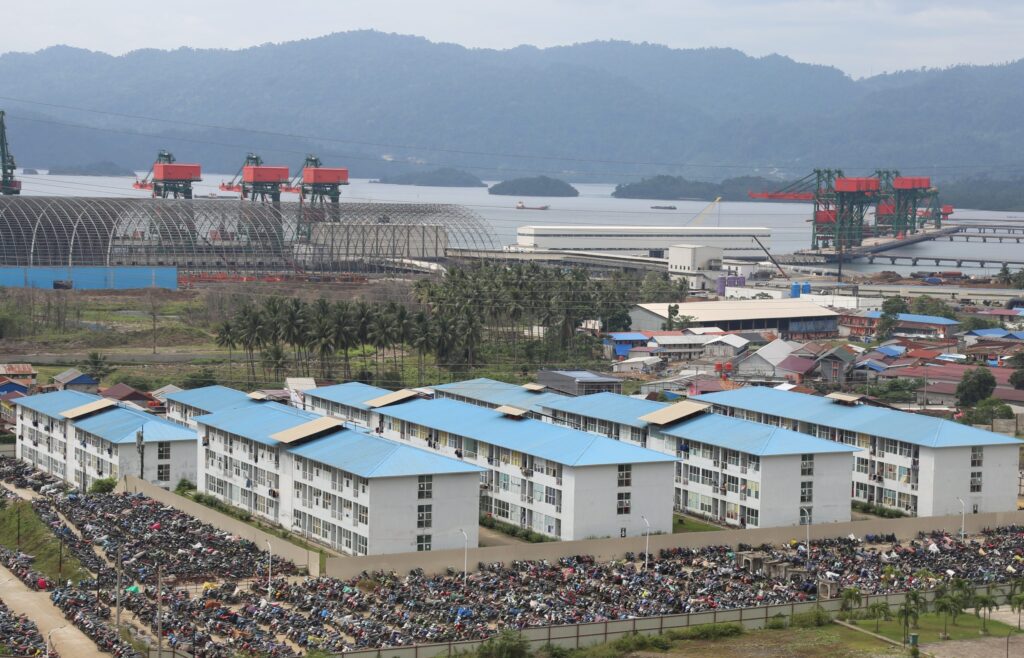
On December 24, 2023, a blaze erupted at a nickel‑smelting facility in Morowali, Central Sulawesi, Indonesia, killing 18 workers and wounding 41 others. The disaster has drawn attention to occupational safety and environmental stewardship in heavy‑industry operations. Morowali Regency, the site of the accident, spans roughly 5,472 km² in Central Sulawesi Province.
Its population has surged from 102,228 in 2010 to an estimated 198,968 by mid‑2024, reflecting rapid growth that has been fueled in part by mining and smelting activities. The regency’s administrative centre, Bungku, serves as a commercial hub, while the distant Menui Islands contribute to the local ecosystem.
Nickel smelting involves extracting metal from ore in a process that is both energy‑intensive and potentially hazardous. The industry is a cornerstone of Morowali’s economy, providing jobs and revenue, yet it also carries inherent health and environmental risks if safety measures are insufficient. The fire at the plant underscores these dangers and will likely prompt a thorough review of existing protocols. Authorities have launched an investigation to determine whether the safety systems in place were adequate and to identify any lapses that may have contributed to the tragedy.
Findings from the probe are expected to shape future regulatory oversight and operational standards for similar facilities. The impact on the local community is profound.
Families of the deceased and injured are coping with loss and uncertainty, while the broader economy may feel the strain of reduced production at a key industrial site. Nevertheless, the incident also presents an opportunity for the region to reassess its approach to industrial development. Experts point to the potential benefits of integrating renewable energy sources—such as solar and wind—into smelting operations.
Cleaner power can lower the environmental footprint of nickel processing and reduce reliance on fossil fuels, which are linked to higher accident risks. By adopting more sustainable practices, the industry could enhance both safety and ecological outcomes.
Energy security and cost considerations are expected to drive future decisions in the nickel sector. As global demand for the metal grows, driven by electric‑vehicle batteries and other clean‑technology applications, producers will need to balance profitability with responsible resource management. In the wake of the Morowali fire, stakeholders—including plant owners, government officials, and community leaders—are being urged to prioritize stricter safety standards and invest in greener technologies.
Collaborative efforts aimed at improving worker protection and minimizing environmental harm could help prevent similar incidents. As Morowali begins the long process of recovery, the tragedy serves as a stark reminder of the importance of vigilance in industrial settings.
The community’s resilience, combined with a renewed focus on safety and sustainability, may pave the way for a safer, more responsible future for the region’s nickel industry.




