
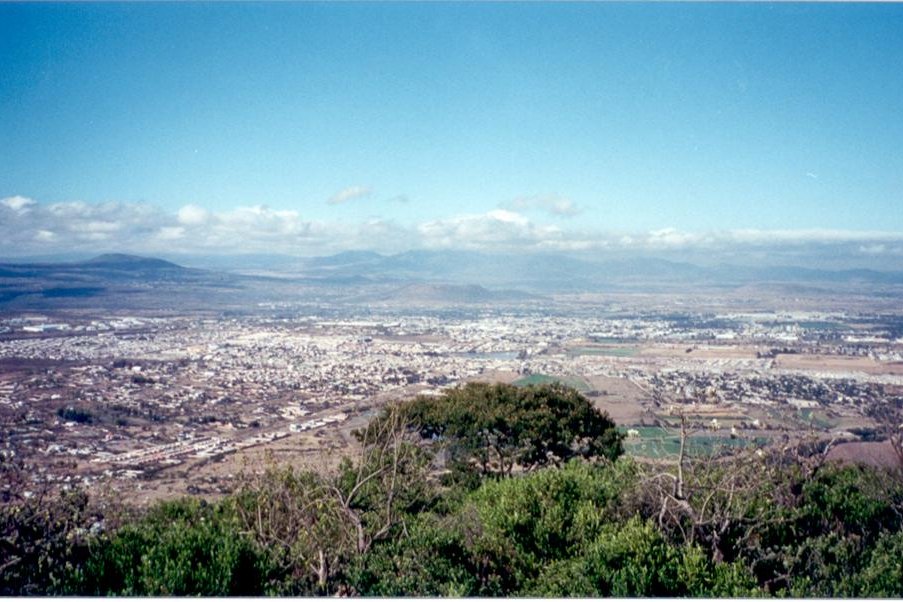
Background and why it matters
Mexico is a North American country located south of the United States and north of Guatemala and Belize.
Human habitation in the region dates back thousands of years. Advanced societies like the Maya and Olmecs developed in Mesoamerica before Spanish colonization began in 1521. This era established New Spain, which became a global economic center through silver mining. Following a war for independence that ended in 1821, the nation transitioned through various forms of government. It survived a mid-century war with the United States and a later revolution that began in 1910. The 1917 Constitution followed that conflict.
The country saw rapid industrial growth during the middle of the twentieth century. A shift toward neoliberal policies occurred later. The 1994 signing of the North American Free Trade Agreement changed how the nation traded with its neighbors. This integration increased the movement of goods and people across borders.
These historical shifts created a large population and a massive economy. This growth puts constant pressure on national infrastructure. For residents, the gap between economic expansion and road safety remains a significant concern.




