
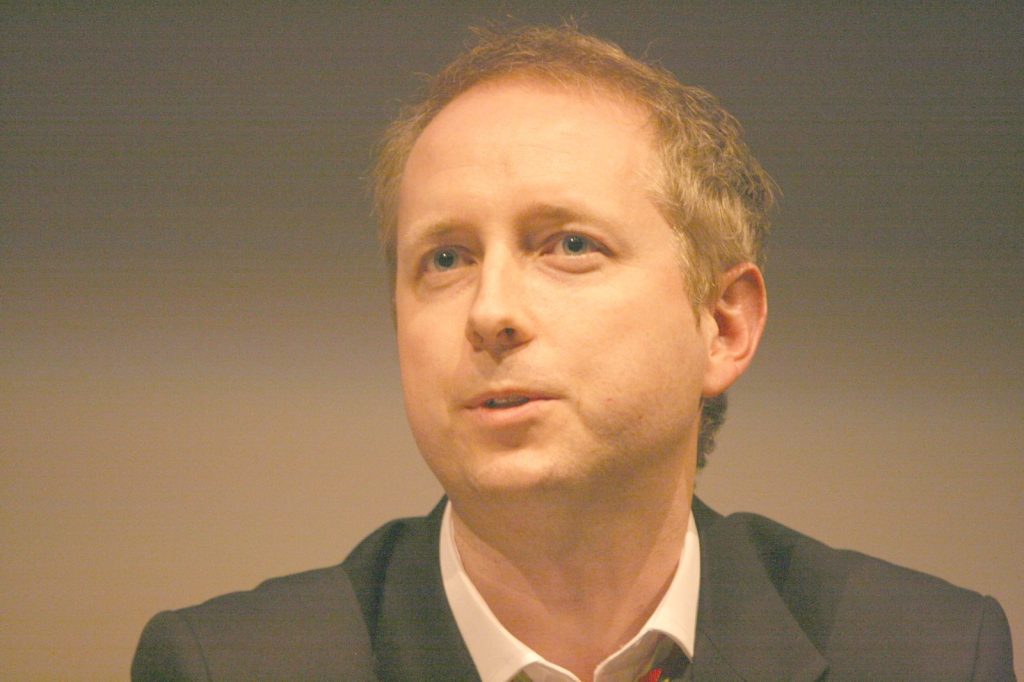
Some Norwegian companies were already doing business in India before Narendra Modi flew to Oslo. Afterward, according to Bard Vegar Solhjell, more of them wanted in.
Solhjell, CEO of Renewables Norway (Fornybar Norge), told ANI that the prime minister’s official visit on May 18-19 became “a big news story, not only in Norway but throughout the Nordics.” In his words, “I think it really boosted interest in India.” Several firms, he said, moved from “vague interest” to researching how to enter the market.
Why India, in his words
Solhjell, a former Norwegian minister of education and minister of environment, described India as more than a developing market. To him it is a critical strategic partner and a force in clean technology manufacturing. “First of all, of course, it’s a big market opportunity,” he said. “Several Norwegian companies are already here.”
The appeal for Europeans goes past sales. India leads the global energy transition, he argued, and now makes batteries and solar components too. He said European countries are looking to India as a way to diversify their supply chains.
He was blunt about the old model of rich countries handing technology to poorer ones. “I don’t think India is any less developed now in terms of technology than many European countries, rather the opposite, to be honest,” he said. He would rather see partnerships “where we are strong in some areas, you are very strong in other areas, and where capital and competence go both ways.”
Where Norway can help
Asked where cooperation could go furthest, Solhjell listed hydropower, offshore wind and carbon capture and storage.
On hydro, Norway has a century of experience, and the power source supplies 90 per cent of its electricity. India has been investing in pump storage, which Solhjell tied to the swings in wind and solar output. He called it “an area where we can have common ground.”
Offshore wind, he said, is at an early stage in both countries. Solar and onshore wind are cheaper for now. Later, as energy demand grows, offshore wind “could be a very important alternative if we can get the technology right and get costs down.”
For carbon capture, he cited Norway’s two big facilities, one in waste management and one in cement. “I think I’ve learned here how important this might also be for India,” he said.
Urgency
Solhjell said the war in Ukraine and instability in West Asia have pushed energy security up the agenda. Renewable power is no longer only an environmental goal, he said, and the pressure shows in the growth of renewables in both Europe and India. “It will lead to a faster transition because we need it.”
He put India’s role in global terms. “How India plays out its energy policy will not only be important for India, but it will be important for the global climate,” he said. “You will be a manufacturer for other countries, and it will be important for global energy security.”




