
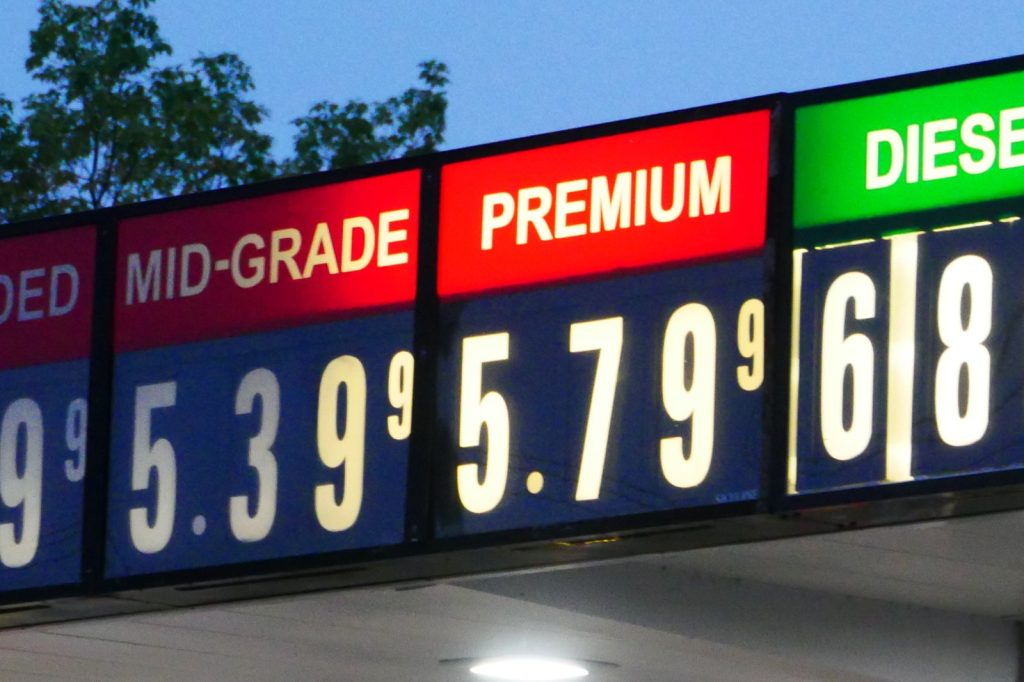
NEW YORK, July 8 — On the ground in American fuel markets, the price signals are flashing sharp and clear. A 5.8 percent surge in West Texas Intermediate crude to $72.45 per barrel on April 4 is now working its way through the supply chain, promising higher costs at the pump for drivers across the country. The national average gasoline price stood at $3.45 per gallon as of April 3, according to AAA.
That figure is the baseline against which everything now shifts. Industry analysts watching the crude rally note a well-established mechanical relationship: every $10 increase in oil prices typically lifts gasoline prices by 25 to 30 cents per gallon.
The math is straightforward. With crude already up by more than $4 per barrel in a single session, the pressure on retail gasoline is immediate and measurable. The question for American motorists is not whether prices will rise, but how far and how fast.
The inflation calculus
The U.S. Consumer Price Index for March 2025 is scheduled for release on April 10, and the April 4 crude spike arrives just in time to register in that reading. The Federal Reserve has set a target inflation rate of 2 percent. In February 2025, the CPI showed a year-over-year increase of 3.1 percent — well above that target.
Higher oil prices complicate the Fed’s calculation. The central bank has been weighing interest rate cuts to support economic activity.
A sustained run-up in energy costs could delay those cuts, as policymakers resist easing monetary policy while inflation remains stubbornly above target. Energy markets are global, and the United States remains a major importer. The U.S. Energy Information Administration reported that the country imported 8.5 million barrels per day of crude in 2024.
That volume means international price movements land directly on American balance sheets.
Market crosscurrents
The same day crude surged, the U.S. dollar index fell 0.3 percent. A weaker dollar typically supports higher oil prices, since crude is priced in dollars and becomes cheaper for foreign buyers when the greenback declines. Wall Street showed the mixed picture of a market recalibrating to higher energy costs.
The S&P 500 index dropped 1.2 percent on April 4, a broad selloff that reflected investor anxiety about inflation and interest rates. But energy stocks within the index bucked the trend, rising 2.5 percent as traders bet on fatter profit margins for producers.
The divergence tells a story. The broader economy faces headwinds from more expensive fuel, while the energy sector itself stands to benefit. Those competing pressures will play out in corporate earnings reports and consumer spending data in the weeks ahead.
Residents across the country are watching pump prices creep upward. The April 4 crude jump has not yet fully translated into retail prices — gasoline markets adjust with a lag of days to weeks depending on regional supply dynamics and refinery operations.
But the direction of travel is clear. By nightfall on the day of the crude spike, traders and analysts were already recalculating their forecasts. The national average gasoline price of $3.45 per gallon now looks like a floor rather than a ceiling.
With the March CPI report due on April 10, the next official snapshot of inflation will capture the early stages of this energy-driven price pressure. The Federal Reserve’s next policy meeting will weigh these numbers carefully. The 2 percent inflation target remains the lodestar, but the path back to that goal now runs through higher gasoline prices.
For American drivers and for the central bank alike, the math is getting harder.
{“@context”: “https://schema.org”, “@type”: “NewsArticle”, “headline”: “Oil Price Spike Drives U.S. Gas Prices and Inflation Upward”, “description”: “NEW YORK, July 8 — On the ground in American fuel markets, the price signals are flashing sharp and clear. A 5.8 percent surge in…”, “datePublished”: “2026-07-08T09:30:00+00:00”, “author”: {“@type”: “Person”, “name”: “Isabella Moore”}, “publisher”: {“@type”: “Organization”, “name”: “InfoPulse Today”, “url”: “https://newsfeed.infopulsetoday.com/”}}




