
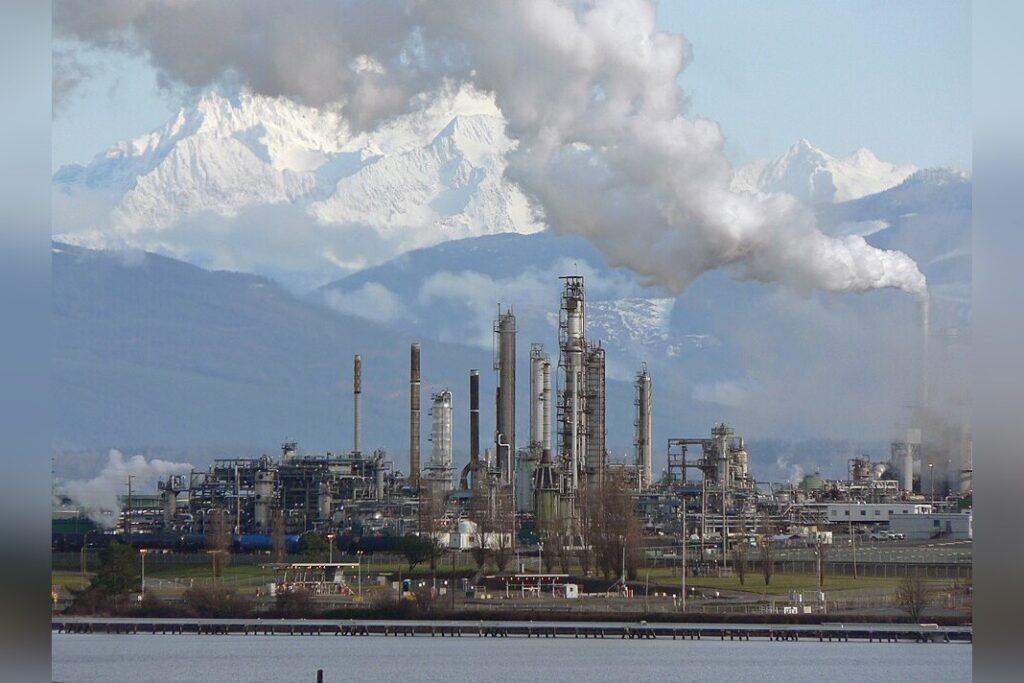
ROME, July 14 — Against the backdrop of a global energy landscape in flux, petroleum remains the world’s most traded commodity, its history stretching back more than a century and a half. The modern era of oil began in 1859, when Edwin Drake drilled the first commercial well in Titusville, Pennsylvania. That single well set in motion a transformation that would reshape industry, transport, and geopolitics.
The rise of the internal combustion engine, accelerated by Henry Ford’s Model T in 1908, created massive demand for petroleum. By the 20th century, oil had become the world’s most traded commodity, powering transportation, plastics, chemicals, and agriculture.
The discovery of vast reserves in the Middle East — including the Ghawar Field in Saudi Arabia in 1948, the world’s largest — cemented the region’s importance.
OPEC and the Geopolitics of Oil
In 1960, major oil-producing nations formed the Organization of the Petroleum Exporting Countries, or OPEC, a cartel that would come to wield influence over global prices and supply. The 1973 oil embargo demonstrated oil’s geopolitical power, as Arab members cut exports to nations supporting Israel, sending shockwaves through Western economies. What is at stake in such maneuvers is not merely the price at the pump, but the stability of entire national budgets and the balance of trade between continents.
The United States, long a major consumer and importer, transformed the global picture with the shale revolution. In 2018, the U.S. became the world’s top oil producer, surpassing both Saudi Arabia and Russia.
This shift reshaped the corridors of power within the industry, reducing dependence on Middle Eastern crude and altering the strategic calculus of energy security.
Consumption and Economic Impact
Global oil consumption reached about 100 million barrels per day in 2023, according to the International Energy Agency (IEA). That figure underscores the sheer scale of the world’s dependence on petroleum. Oil revenues fund entire nations; price fluctuations can trigger recessions.
The economic impact is enormous, with the industry’s reach extending into every sector of modern life. Yet the wider picture is changing.
The rise of renewable energy and the 2015 Paris Agreement on climate policy are challenging oil’s long dominance. The IEA projects that global oil demand may peak before 2030, a forecast that has sent ripples through boardrooms and government ministries alike.
What to Watch Next
The tension between continued demand and the push for cleaner energy sources will define the coming years. For European policymakers, the question is how to balance energy security — still heavily reliant on petroleum — with the imperatives of conservation and responsible resource use. The clean planet for its own sake, with clean air, water, and soil, remains a goal that transcends any single commodity.
As the IEA’s projections suggest, the era of ever-increasing oil consumption may be drawing to a close, but the transition will be neither quick nor simple.
Sources
{“@context”: “https://schema.org”, “@type”: “NewsArticle”, “headline”: “Oil’s Century-Long Grip: How Petroleum Forged the Modern Economy”, “description”: “ROME, July 14 — Against the backdrop of a global energy landscape in flux, petroleum remains the world’s most traded commodity, its history stretching back…”, “datePublished”: “2026-07-14T09:30:00+00:00”, “author”: {“@type”: “Person”, “name”: “Beatrice Bianchi”}, “publisher”: {“@type”: “Organization”, “name”: “InfoPulse Today”, “url”: “https://newsfeed.2bme.xyz/”}, “citation”: [{“@type”: “CreativeWork”, “url”: “https://en.wikipedia.org/wiki/Petroleum”}]}




