
ASHRAM — The water comes first. Then the gardens. Then the meditation halls.
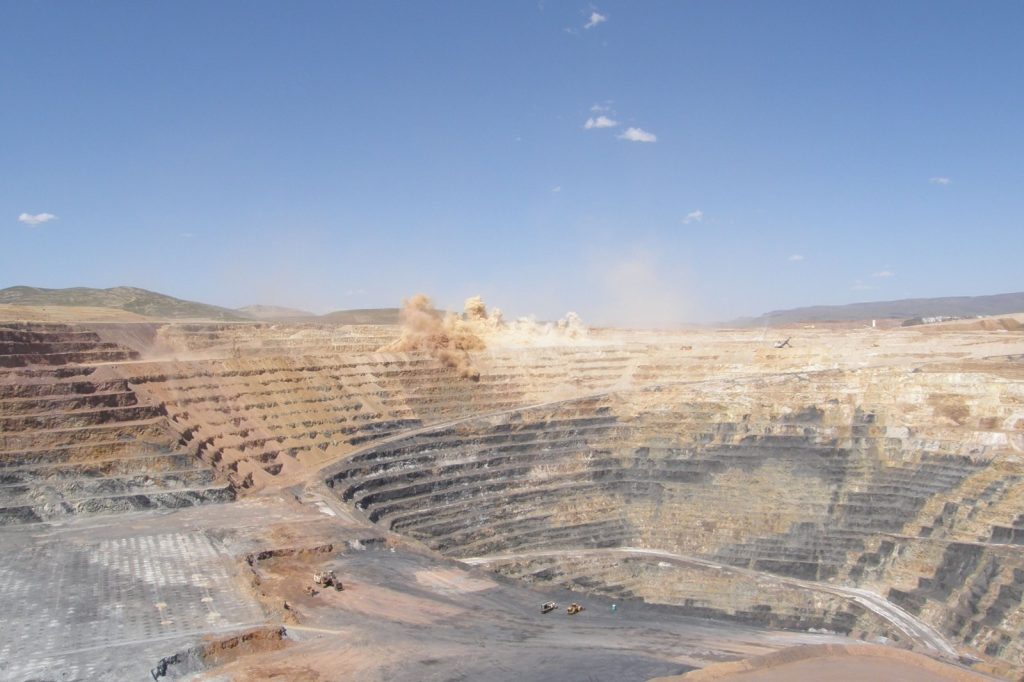
That is the order of things at the spiritual community now facing a mining project that could undo all of it. Open-pit mining works this way: companies strip away topsoil and rock to reach valuable ore beneath.
The mechanism leaves behind enormous pits, piles of waste rock, and contaminated water. For the ashram, that means the quiet gardens, meditation halls, and simple homes could be replaced by heavy machinery and blasting. Researchers who studied the area found a delicate ecosystem.
The local water table feeds into the ashram’s wells and ponds. Mining would almost certainly disrupt that flow, potentially drying up the water sources that sustain the community.
The dust from blasting and processing would settle on the gardens and buildings, changing the character of the place entirely. This is not a distant threat. The mineral deposits sit beneath the very ground the ashram occupies.
The Indian government, under Prime Minister Narendra Modi, has been pursuing a policy of aggressive resource development. The proposed mining operation targets those deposits directly. Residents have been fighting the proposal for months.
They argue that the spiritual and environmental value of the land outweighs any mineral wealth. The ashram has been a refuge for decades, drawing seekers from around the world who come for its teachings on harmony and simple living.
The Modi administration has framed the project as a matter of national interest. That framing puts the ashram in a difficult position. A place built on peace and spiritual seeking now finds itself in the path of a government’s push for resource extraction.
What happens next depends on how the government weighs competing claims. The ashram’s residents point to the intangible value of their community — the teachings, the quiet, the generations of seekers who have found something there.
The government points to mineral wealth and economic development. The science of open-pit mining is straightforward. Companies remove everything above the ore.
They dig down. They process what they find. The waste rock piles up.
The water gets contaminated. The dust spreads.
Those are the physical realities. For the ashram, those realities mean the end of what they have built. The gardens would not survive the dust.
The wells would not survive the disruption to the water table. The meditation halls would not survive the blasting.
Residents have made their case for months. They have not stopped the project yet. The government’s position remains unchanged.
The ashram sits in the shadow of what is coming. The mining project has not started. But the machinery, the pits, the waste rock, the contaminated water — all of it waits.
The question facing the community is whether their arguments about spiritual and environmental value can outweigh the government’s push for resource extraction. That question has no easy answer.
The ashram has been a refuge for decades. The government has its own priorities. The two have collided over mineral deposits beneath the ground.
The water table does not care about politics. It will respond to the mining the same way it would respond to any disruption.
The wells will dry up. The ponds will disappear. The gardens will die.
That is the mechanism. Residents understand this. They have been fighting the proposal for months.
They argue that the spiritual and environmental value of the land outweighs any mineral wealth. The government has not agreed.




