
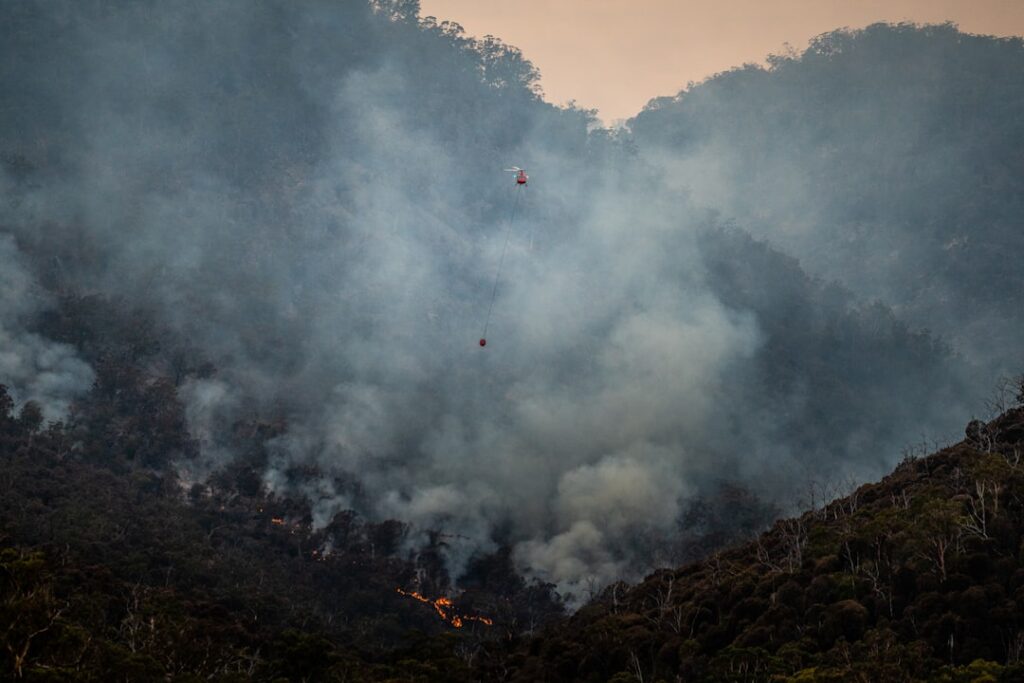
The Amazon rainforest in northern Peru is engulfed in a series of wildfires that have already taken the lives of sixteen people. In response, President Dina Boluarte has issued a state of emergency covering the departments of Amazonas, San Martín and Ucayali.
The decree grants the government extraordinary powers, allowing Boluarte—who serves as both head of state and head of government—to mobilise the Armed Forces and the National Police alongside civilian fire crews. Under the emergency order, soldiers and police officers are now being deployed to the fire‑affected zones to support firefighters, improve coordination and accelerate the movement of resources. While the added manpower promises faster response times, the flames continue to spread, and the full impact of the disaster remains uncertain.
The three departments are remote, heavily forested and traversed by poor road networks, making logistics a formidable challenge. Delivering equipment and personnel to the front lines of an Amazonian wildfire differs markedly from fighting a coastal brush fire; the terrain is difficult, the work is hazardous and progress is often slow.
Ecologically, the fires threaten one of the world’s most biodiverse regions. The official report warns that the destruction could have “far‑reaching consequences for the region’s flora and fauna.” Habitat loss will affect species that exist only within these forests, watersheds may be altered, and the carbon stored in vegetation will be released into the atmosphere, compounding climate concerns. The extent of long‑term ecological recovery will depend on the area burned, fire intensity and the effectiveness of containment efforts.
Indigenous and rural communities inhabiting Amazonas, San Martín and Ucayali are caught in the middle of the crisis. Their livelihoods—based on forest resources for food, water and shelter—are jeopardised as the fires consume crops, degrade air quality and block vital transport routes.
Although the emergency declaration permits the government to implement protective measures for these populations, the specific actions—such as evacuations, shelters or medical assistance—have not yet been disclosed. Boluarte now possesses the authority to direct military and police assets, but the capacity of the Peruvian state to execute a coordinated response remains a question. Historically, the central government has struggled to project authority in the deep interior of the country, hindered by corruption, bureaucratic inertia and chronic under‑funding.
While the emergency decree can bypass some procedural obstacles, it cannot instantly repair broken supply chains or replace missing equipment. The report stresses the need for close collaboration among local residents, emergency responders and environmental organisations.
In theory, such cooperation could blend community knowledge of the terrain, scientific insight into the ecosystem and the logistical capabilities of the military. In practice, aligning these groups during an active fire presents a significant coordination challenge. Beyond immediate containment, the fires raise broader questions about prevention. Many Amazon wildfires are linked to deliberate land‑clearing activities—such as illegal logging, agriculture and cattle ranching—rather than natural causes.
The report calls for “implementing measures” to avert future incidents, but offers no concrete details. Effective prevention would likely require stricter enforcement of existing laws, enhanced monitoring of land‑use changes and penalties for arson.
For now, the focus remains on halting the current blazes. Sixteen fatalities have been recorded, three departments are under emergency status, and the president’s expanded powers are being put to use. The full ramifications—environmental, social and political—will unfold in the weeks and months ahead, long after the immediate smoke clears.




