
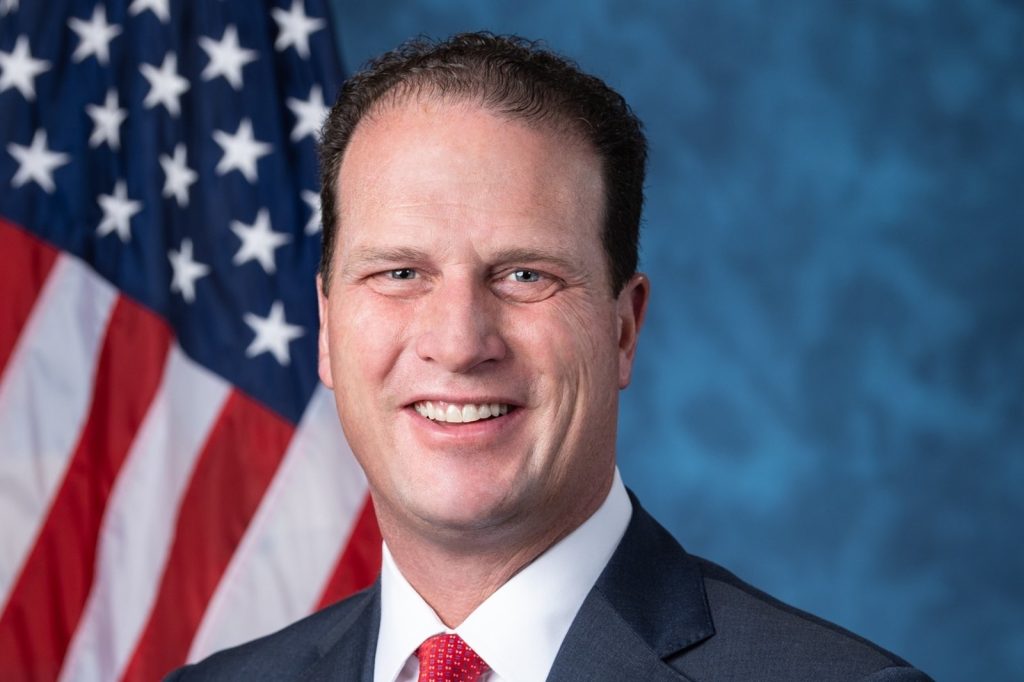
Under half full. That is where the Strategic Petroleum Reserve stands today, its lowest level since the early 1980s, after two big emergency drawdowns in four years. On Sept. 3, Texas Reps. August Pfluger, a Republican, and Lizzie Fletcher, a Democrat, introduced the 21st Century Strategic Petroleum Reserve Act to ask what comes next.
The bill builds nothing. It orders a study. Within 90 days of enactment, the Energy Secretary would have to ask the National Petroleum Council, an advisory body to the Secretary, for a public report due within a year on modernizing the reserve’s physical infrastructure and operations.
Why the stockpile is thin
Congress created the reserve after the 1973 Arab oil embargo. Crude sits in underground salt caverns in Texas and Louisiana, and Washington can draw on it to steady prices when global supply breaks down. Russia’s invasion of Ukraine prompted a 180-million-barrel release in 2022. The war in Iran, including the closure of the Strait of Hormuz, which has disrupted roughly one-fifth of the world’s oil supply, forced a second.
A recent Government Accountability Office report found that Congress and the Energy Department have no unified long-term plan. There is no target size for the reserve and no clear strategy for keeping its aging infrastructure running.
Fletcher put it bluntly: “the reserve is stretched thinner than it has been in 40 years, and we cannot take that capability for granted.” She called the bill “a common-sense first step.”
What the report would examine
The council would weigh a list of options:
Expanding the reserve’s geographic spread and storage capacity. Adding storage for refined products such as gasoline and diesel, not just crude. Ending congressionally mandated sales that pull oil out of the reserve outside of emergencies. Building facilities tough enough for the volume and frequency of drawdowns of the past decade. Encouraging refills when prices are low. Raising the fill rate and the two-way flow capacity of its pipelines. The council would also recommend steps to Congress and federal agencies.
The rival stockpile
The strategic calculus is hard to miss. China is not a member of the International Energy Agency and does not publicly disclose its inventory, yet the U.S. Energy Information Administration estimates it holds 1.4 billion barrels in strategic reserves, more than four times the current American stockpile.




